
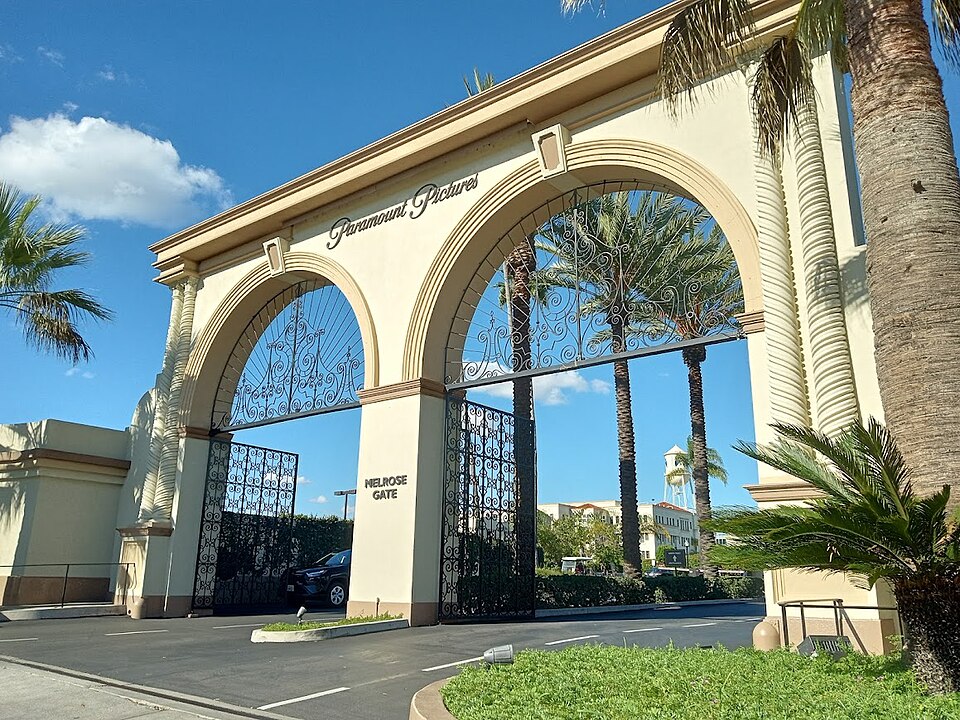
Paramount Skydance has cleared the main legal barrier to its $110 billion acquisition of Warner Bros. Discovery after settling challenges brought by a California-led coalition of 12 US states and the Writers Guild of America, moving one of Hollywood’s largest-ever media deals closer to completion.
The state settlement, announced by California Attorney General Rob Bonta and still subject to court approval, imposes five years of enforceable commitments on the combined business. Paramount must spend at least an additional $1.5 billion on US film production over that period compared with 2025 levels and create a $47.5 million workforce fund for employees affected by the merger.
The company has also committed to release at least 30 films a year in each of the first two years after closing, rising to 32 annually in years three to five. Missing the required output could force Paramount to divest Miramax and trigger payments of $30 million for each film below the target. Separate rules require Paramount and Warner Bros. cable channels to negotiate carriage agreements independently for five years, while a new News Editorial Independence Board will oversee safeguards at CBS News and CNN.
The Writers Guild of America, which filed a separate antitrust challenge in July, has also agreed to settle. The union had argued that combining Paramount and Warner Bros. Discovery would reduce competition for writing work and weaken pay and employment opportunities. Its decision removes another obstacle after Paramount said earlier in September that the state and WGA lawsuits were the only remaining barriers to closing.
The transaction itself values Warner Bros. Discovery at $31 a share in cash, or about $81 billion on an equity basis and $110 billion including debt. Paramount’s financing includes $47 billion of new equity backed by the Ellison family and RedBird Capital Partners, while the company has said the combination could generate more than $6 billion of annual synergies.
Those savings are now set against a larger group of binding operating commitments. The additional production spend alone averages at least $300 million a year, while the film quotas restrict how far Paramount can reduce output as it integrates two major studio operations. That leaves management with a narrower path to deliver the cost reductions underpinning the deal without breaching the settlement terms.
Timing also carries a direct financial cost. The merger agreement provides Warner Bros. Discovery shareholders with a $0.25-a-share quarterly “ticking fee”, calculated daily, if the transaction is not completed after September 30. Paramount has already extended debt tender and exchange offers connected to the acquisition into October, showing how closely the financing timetable is tied to the closing date.
For Paramount chief executive David Ellison, the next phase shifts from legal clearance to execution. The combined company would bring Paramount Pictures, Warner Bros., HBO, CNN, CBS and major streaming operations under one group. The $110 billion valuation remains the headline number, but the financial test will be whether Paramount can capture more than $6 billion of expected annual synergies while funding the settlement commitments and managing the enlarged debt load.