
Church campuses often hold five-figure collections of sound, video, computer, and musical equipment, yet many are unoccupied five or six days each week. That combination creates an equipment theft exposure unlike that of buildings staffed every day. Most protection decisions also fall to pastors, volunteers, and part-time administrators rather than trained security professionals.
These leaders must account for valuable property while keeping the building accessible to ministry teams and community groups. In Texas, the same campus must withstand both theft risk and storm season, when wind and water can damage equipment that never leaves the property. The practical question is what church leaders should be doing before property disappears or suffers damage, especially when time, staffing, and facilities experience are limited.
The Church Assets Most Likely to Walk Away
The church assets most likely to disappear share three traits: They are valuable, portable, and handled by many people. Soundboards, wireless microphone packs, laptops, cameras, livestream encoders, instruments, and projectors fit that profile, making them priorities when protecting valuable property and equipment.
A second tier sits outside the sanctuary, including kitchen appliances, lawn tools, maintenance equipment, trailers, vans, and folding staging. Shared use increases the exposure because gear moving among youth ministry, worship, and outreach often has no single custodian.
Accordingly, rank each item by its replacement cost and how often it leaves secure storage, rather than by how expensive it feels. This approach brings frequently moved equipment into focus before it disappears.
The same review should cover non-physical assets. Offering records, online giving data, member details, and payment credentials all require controls against unauthorized access. Together, these categories provide a practical starting point for reducing equipment theft.
Documenting Gear Before You Need the Records
A lock might delay a theft, but it cannot tell law enforcement what was taken or establish an item’s value for insurance claims. A reliable equipment inventory list connects the physical property to the records needed for recovery, reimbursement, and future planning.
Serial Numbers, Photos, and Asset Marking
Each inventory entry should contain four essentials: a clear description, the serial number, the purchase date and price, and a photograph showing the item in place. A useful description distinguishes a particular wireless receiver or camera from five similar units stored nearby.
Asset marking adds another layer of identification. Engraving equipment or attaching tamper-resistant tags with unique identifiers makes ownership easier to establish if law enforcement recovers the property. It also complicates resale because removing a visible identifier can damage the item or draw attention to it.
The inventory must survive the same event that damages the building. Store it in a controlled cloud folder or maintain an off-site copy instead of relying on a binder in the church office. Limit editing access while giving more than one designated leader permission to retrieve the records.
Matching Coverage to What the List Says
Documentation only pays off when the policy behind it reflects what the church owns, so maintaining an accurate inventory and protecting your congregation from costly risks are two halves of the same job. General contents limits can overlook concentrations of high-value sound, video, and livestream equipment that may need to be identified individually.
Texas church insurance provides a regional example of coverage written around congregational property, but leaders still need to examine the policy terms. Gear taken to camps, outreach events, or satellite services raises separate questions about off-premises and in-transit protection.
Updating the inventory after purchases also reveals when equipment values have quietly exceeded existing limits. Without that comparison, a church can have complete records and still discover that the available coverage does not match the documented loss.
Layered Security for a Building Nobody Occupies
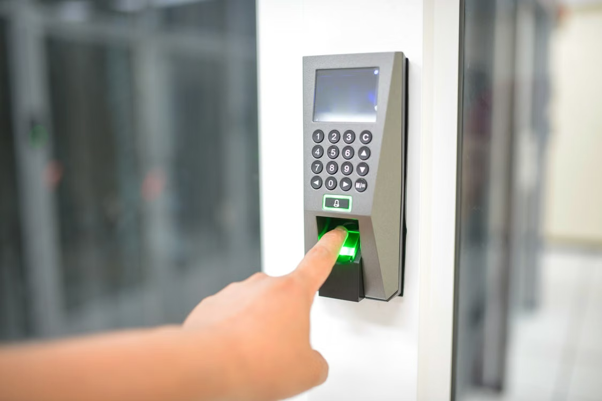
Church security works best in layers because the building may sit empty for much of the week. Perimeter security discourages casual intrusion, access controls restrict interior movement, video surveillance detects activity, and tracking supports recovery. No single measure covers every stage, particularly when volunteers and ministry teams need legitimate access.
Keys, Codes, and Rotating Volunteers
A church’s access list can outlive the roles that justified it. Former staff members, contractors, and long-term volunteers may retain keys or codes unless someone records who received each credential and when it was returned.
Numbered keys should be signed out to named people, while unique door codes can separate ministry teams without creating one code known across the congregation. Rekey doors or deactivate credentials when a staff member or long-term volunteer leaves.
High-value equipment also belongs behind a second locked door, such as an AV closet fitted for secure storage, rather than relying only on the building’s exterior lock to prevent unauthorized access.
Lighting, Sightlines, and Camera Placement
Motion-sensor lights and trimmed landscaping improve sightlines around entrances and remove concealed areas near doors and windows. These measures work as a theft deterrent because an approaching person becomes visible before reaching the building.
Security cameras should cover entry points, the equipment-room door, and parking areas used by vans and trailers. Camera placement matters more than camera count. A device pointed into glare or blocked by seasonal foliage records little useful detail.
Someone should periodically verify the angle, image quality, date settings, and retention period so the system does not overwrite video before anyone notices an incident. Remote monitoring also adds value during the days when nobody is on-site.
Tracking Gear That Leaves the Property
Equipment becomes harder to control once it leaves campus for a camp, concert, or outreach event. A checkout record should identify the item, the person responsible, the destination, and the expected return date.
GPS tracking suits vans, trailers, and other mobile assets large enough to conceal a device. Geofencing can flag movement outside an approved area, while tamper alerts can reveal interference with the tracker.
These tools do not replace access controls, but they can give law enforcement timely location information and improve the chance of recovery.
Storm Prep and the First Hours After a Loss
A pre-storm walkthrough should focus on tasks that reduce preventable damage. Move instruments, AV equipment, and computers away from windows and above ground level. Bring loose exterior furniture, signs, and maintenance items indoors so they do not become debris, and check that roof drains and gutters can carry water away.
Photograph the building and major equipment before the storm. Those images create a dated reference for distinguishing new damage from older wear during insurance claims.
Named assignments matter as much as the checklist. One person should close the building, another should move gear, and another should handle congregation updates. Two-way radio systems provide a practical fallback if cell service drops.
For Gulf Coast and Texas congregations, FEMA’s hurricane preparedness resources provide a baseline for evacuation and communication planning.
After a theft or damaging event, leaders should file a police report promptly and provide serial numbers. Recorded footage should be preserved and exported as evidence before the system overwrites it, and the insurer should receive notice the same day.
Once the immediate response ends, identify the specific control that failed. Fixing an unlocked door, missing assignment, or badly aimed camera turns the incident review into a concrete improvement.
Where to Start This Week
The most useful first step is a current equipment inventory list. It supports coverage decisions, gives law enforcement identifiable records, and provides the documentation needed after a storm, fire, or theft. Without it, even good locks and cameras leave important questions unanswered.
Protecting church property does not need to become a security-industry project. It is a stewardship task centered on equipment and resources the congregation funded for ministry. A documented inventory creates the foundation for sensible storage, access, monitoring, and coverage decisions.
Main Image - Source