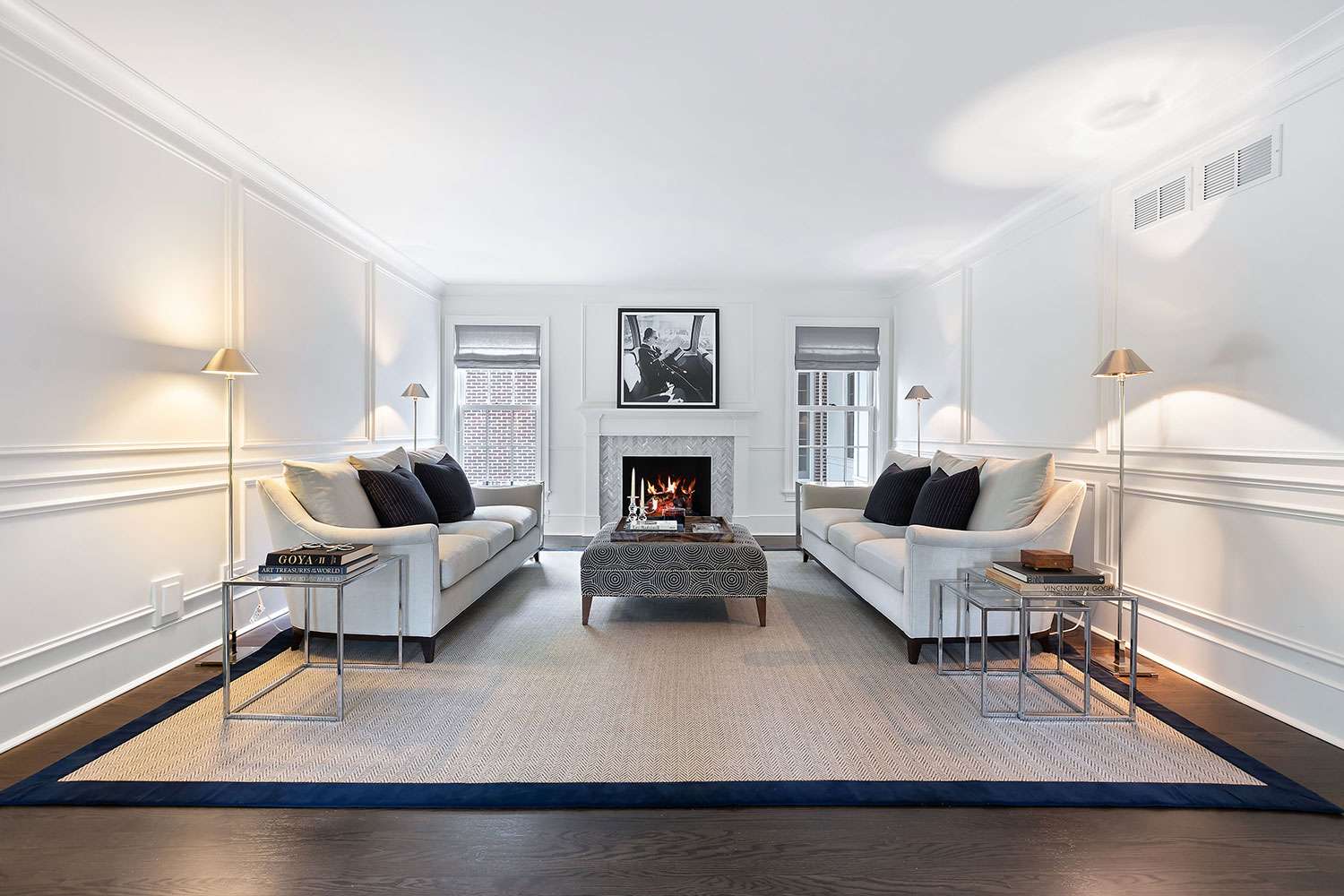
Throwing money at a house doesn’t automatically make it worth more. Sure, home improvements eat up a massive chunk of change, and the urge to rip out the old and install the shiny new is incredibly tempting.
But here is the hard truth: not every pricey overhaul actually moves the needle on your property's long-term value.
We easily get blinded by what looks spectacular in a photograph. Yet, if you want your home to truly appreciate over time, you have to look deeper than the surface.
It requires a delicate balancing act. You need everyday functionality. You need structural integrity. And above all, you need a design that won’t feel entirely exhausted in five years.
Look Beyond Cosmetic Improvements
Paint is cheap. Light fixtures? Easily swapped. Even that gorgeous, imported tile you saw trending online is just a surface-level fix. We love cosmetic upgrades because they offer instant gratification.
But they rarely fix the actual bones of a house. Buyers might swoon over a sleek kitchen island today, but tomorrow? They'll be frustrated by the fact that the kitchen is entirely cut off from the dining room.
Function dictates feeling. If a floor plan is awkward, no amount of expensive decorative dressing will hide the daily friction of living there. Spaces have to actually work. When a layout intuitively makes sense and accommodates the rhythm of daily life, it holds its value. Period.
Why Architectural Design Matters to Long-Term Home Value
Good architecture is the silent engine of property value. It doesn't scream for attention with flashy finishes. It simply feels right the moment you walk through the door.
When we talk about design outlasting interior trends, it comes down to a few non-negotiable structural elements:
Cohesive Layouts:
Rooms that talk to each other, rather than existing as disjointed, isolated boxes.
Efficient Use of Space:
Eliminating dead-end hallways that steal valuable, livable square footage.
Natural Light:
The kind that floods a room from properly placed windows, cutting electricity bills and instantly boosting a home's mood.
Timeless Architectural Details:
Masterful proportions, logical sightlines, and authentic millwork that defy whatever the current decade's fad happens to be.
When the skeleton of the house is robust, the interior flavor can evolve. The core value remains bulletproof.
The Growing Appeal of Distinctive Home Styles
The real estate market is drowning in gray, boxy flips. Cookie-cutter modern builds are everywhere. And frankly? Buyers are getting bored.
This is exactly why distinctive, character-driven homes are commanding absolute premiums right now. Think traditional facades, rich period-inspired details, and bespoke, custom-designed layouts. They offer something incredibly rare in today's housing market: permanence.
This craving for authenticity is driving smart property owners to seek out expertly drafted house plans by Archival Designs. Their focus on historically inspired residential architecture proves you don't have to sacrifice modern livability to get traditional charm.
The brilliance is capturing that head-turning, historic curb appeal while utilizing a layout built for how we actually live today. That kind of character doesn't just compete in a crowded market, it dictates it.
Where Homeowners Should Think About Return on Investment
Stop throwing cash at things that wear out quickly. If you want a genuine return on investment, put your money where the house actually lives and breathes. Let's break down where your budget does the heavy lifting:
| The Investment | Why It Pays Out |
| Usable Living Space | Buyers pay heavily for space they can actually use seamlessly, not dark basements or awkward, cramped alcoves. |
| Workhorse Zones | Kitchens and bathrooms take a beating. Intelligent layouts and incredibly durable mechanics matter way more than trendy backsplashes. |
| Energy Efficiency | High-performance insulation, top-tier windows, and efficient HVAC. Sexy? No. Profitable when utility bills plummet? Absolutely. |
| Durable Features | Hardwood, natural stone, and brick. They don't just age; they develop a patina that buyers inherently trust. |
Pro Tip:
Capital funneled into performance and durability will out-earn cosmetic splurges every single time the property is appraised.
Avoiding the "Trend Trap" When Designing a Home
We've all seen it. The sunken living rooms of the 70s. The glass blocks of the 80s. The aggressive farmhouse shiplap explosions of recent years. The trend trap is very real, and it will violently date your home.
Over-personalizing a build might sound romantic on paper, but it's a massive financial hazard. When you hardwire your highly specific, eccentric tastes into the actual structural aesthetics, you immediately alienate future buyers.
It’s far smarter to establish a neutral, timeless architectural canvas. Go wild with your rugs, your art, and your paint. Those can leave when you do. The walls shouldn't have to.
Build for the Next Decade, Not Just the Next Listing
A truly lucrative property doesn't just look good for a quick online listing; it adapts. Life shifts unexpectedly. Kids arrive, teenagers leave, and suddenly, you're working from home three days a week. Can your house pivot?
You need flexible rooms. A space that serves as a quiet home office today might need to function as an accessible ground-floor guest bedroom in ten years. Think about heavy-duty, integrated storage.
Anticipate long-term maintenance hurdles before they happen. Houses that refuse to adapt become rapidly obsolete. Houses that bend with the decades become invaluable assets.
The Importance of Planning Before Construction Begins
Want to know the absolute easiest way to burn money? Winging it during construction. Moving a wall on paper costs absolutely nothing. Moving it after the drywall is up is an expensive nightmare.
You have to establish your absolute priorities before a single shovel hits the dirt. This means sitting down with proper blueprints and confronting your budget head-on. It means looking at the entire property ecosystem rather than obsessing over one single room.
Grab a comprehensive guide to choosing the right house plan to get your head straight. Align your site conditions, your family’s chaos, and your wallet before making a move, and you will save yourself thousands.
Conclusion
The bottom line? A successful home investment isn't necessarily the one stuffed with the priciest, flashiest finishes. It is the property that simply works better.
It’s the quiet luxury of thoughtful architecture. When you prioritize undeniable functionality, robust materials, and a layout that defies the calendar, you aren't just building a house.
You're securing a long-term asset that will remain deeply livable and highly valuable, long after today’s trends have faded away.