Inside the Deal
A Finance Monthly “Inside the Deal” feature
Sector: Infrastructure / Aviation / Project Finance
Transaction Type: Secured Bond Loan Financing
Deal Size: €806 million
Lender: Alpha Bank
Deal Status: Completed
Completion Date: October 2025
Final Maturity: 2042
Inside the Deal is Finance Monthly’s transaction feature combining independent deal coverage with in-depth advisor insight into how complex transactions are structured and executed.
Deal Overview
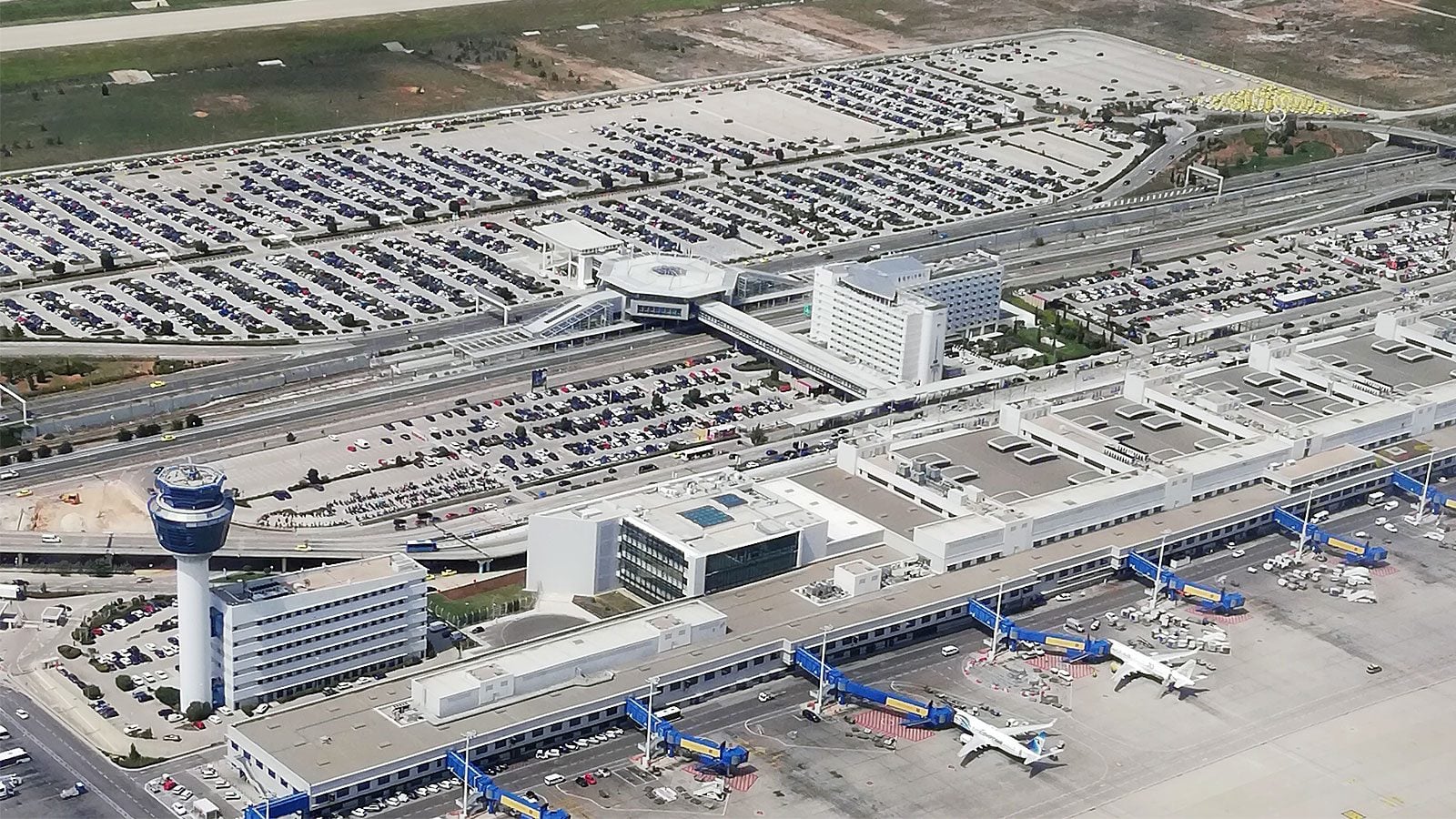
Athens International Airport has secured an €806 million secured bond loan to finance a major multi-phase expansion programme that will increase the airport’s capacity to 50 million passengers annually by 2045.
The financing, backed by Alpha Bank, forms part of a broader €1.35 billion infrastructure investment plan aimed at upgrading Greece’s largest and busiest airport. The first phase of works is expected to commence in early 2025 and run through 2028, increasing annual passenger capacity from approximately 26 million to 33 million.
The expansion includes an 81,000 square metre enlargement of the main terminal, additional aircraft stands and passenger gates, upgraded baggage handling systems, a new runway with 32 aircraft slots, a new VIP terminal, expanded road access, and a multi-storey parking facility.
Alongside the new bond loan, amendments and restatements were implemented across four existing major bond loans originally issued in 2019, 2022, and 2024. The transaction required coordination between multiple Greek systemic banks and involved complex alignment of existing finance and security documentation.
Koutalidis advised Alpha Bank on the new financing and also advised the syndicate of Greek systemic banks on the amendment and restatement of the existing bond loans.
The transaction reflects continued investment in aviation infrastructure across Europe, underpinned by strong passenger growth and rising tourism demand in Greece.
Transaction Context
Passenger traffic at Athens International Airport reached 24.6 million in the first nine months of 2024 — a 13.3% increase compared to the same period in 2023. Total revenues rose 9.8% to €509 million, while adjusted EBITDA increased 16.9% to €339.9 million.
The airport’s financial performance strengthened the foundation for long-term infrastructure financing, supporting the structuring of the new secured bond loan with a final maturity extending to 2042.
The financing structure allows for multiple drawdowns aligned with construction milestones. At the same time, amendments to existing bond loans were required to ensure consistency across the broader financing framework while preserving the autonomy of each individual instrument.
The designation of the new expansion bond loan as “Designated Debt” under the Airport Development Agreement added an additional layer of structural complexity.
Inside the Deal: Advisor Interview
Ioannis Kaptanis
Partner, Koutalidis
Role: Legal Advisor to Alpha Bank and Syndicate of Greek Systemic Banks

How was the €806M secured bond integrated into AIA’s existing multi-tranche financing structure?
We advised Alpha Bank on the €806 million secured bond loan and, in parallel, advised the syndicate of four Greek systemic banks on amendments and restatements of four existing bond loans issued by Athens International Airport.
These amendments were necessary in light of the new financing. They involved adjustments across the entire set of finance and security documents to ensure alignment between the existing loans and the new bond loan, while preserving their autonomy and individual characteristics.
The work was extensive and carried out under tight deadlines. The alignment process required careful structuring to maintain consistency across multiple instruments without compromising the integrity of each facility.
What were the principal legal and structural complexities in synchronising the new bond with AIA’s legacy facilities?
Although the new bond loan followed the precedent framework of previous AIA financings, negotiations took place regarding both business and structural issues.
One particular complexity was the classification of the expansion bond loan as “Designated Debt” for the purposes of the Airport Development Agreement. This required additional contractual documentation and coordination between stakeholders.
At the same time, a parallel workstream focused on ensuring that amendments to existing bond loans were properly synchronised with the terms of the new financing. This dual-track process demanded close collaboration between the company, Alpha Bank, the banking syndicate, and both local and international counsel.
What additional structuring considerations arose from the ‘Designated Debt’ classification under the Airport Development Agreement?
Publicly announced plans indicate that the first phase of expansion will begin in early 2025 and be completed by 2028, increasing annual capacity to 33 million passengers.
The broader plan targets capacity of 50 million passengers by 2045. The project includes terminal expansion, additional aircraft slots, runway enhancements, VIP facilities, parking infrastructure, and surrounding road network upgrades.
The bond loan structure allows for multiple drawdowns aligned with the progress of construction works, ensuring that financing is deployed efficiently throughout the project lifecycle. The final maturity date in 2042 aligns with the long-term infrastructure horizon of the expansion.
How were lender protections and drawdown mechanics structured to support a long-dated infrastructure financing through 2042?
The expansion of Greece’s primary international gateway is expected to have a direct impact on tourism and transport sectors.
Increased capacity will allow Athens to accommodate growing passenger volumes, particularly during peak tourist seasons. Enhanced facilities and expanded runway capacity may also attract additional airlines and new routes, strengthening Greece’s connectivity with global markets.
Beyond aviation, increased passenger flows typically generate multiplier effects across hospitality, retail, transport services, and regional economies. Infrastructure expansion of this scale can also generate direct and indirect employment opportunities during both construction and operational phases.
As tourism remains a significant contributor to Greece’s GDP, airport capacity expansion may serve as a catalyst for broader economic growth and regional development.
What ongoing legal oversight is required during the phased implementation of the expansion financing?
We will continue advising Alpha Bank on drawdowns throughout the duration of the bond loan. This includes reviewing conditions precedent, preparing necessary documentation, and issuing legal opinions as required.
We will also support any post-closing amendments or technical adjustments that may arise during the implementation of the expansion plan. Long-term infrastructure financings require ongoing legal coordination, and we remain engaged throughout the lifecycle of the project.
About Inside the Deal
Inside the Deal is Finance Monthly’s transaction-focused interview series, combining independent deal reporting with advisor insight to explain how complex transactions are structured, negotiated, and completed.