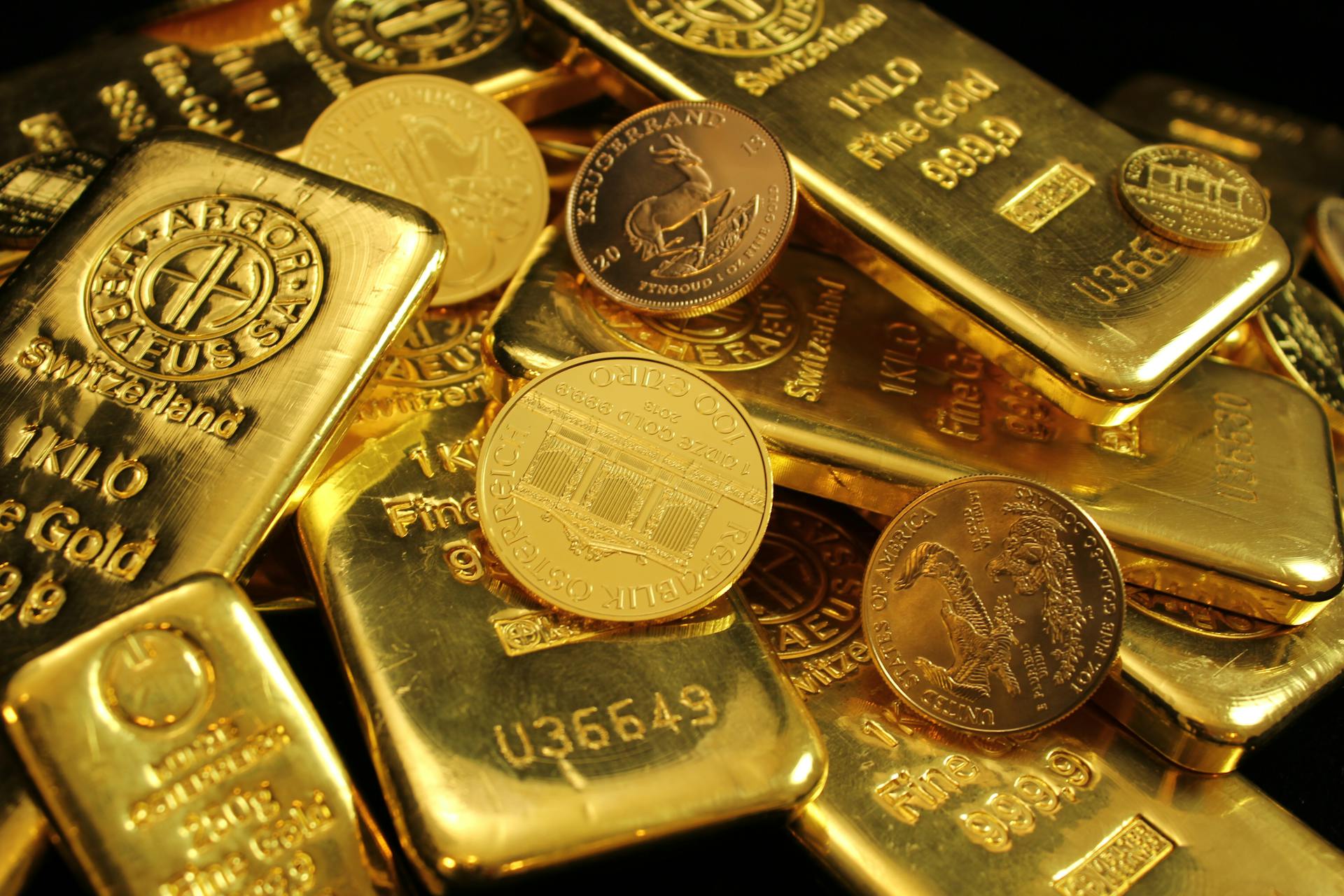
Gold surged sharply as markets reopened after the United States captured Venezuelan President Nicolás Maduro over the weekend, sending a jolt of anxiety through investors already on edge about global stability. Within hours of the news breaking on January 4, money flowed rapidly into traditional safe-haven assets, pushing precious metal prices higher and underscoring how fragile market confidence remains in early 2026.
Spot gold climbed more than 1.8% to around $4,409 an ounce, while silver jumped almost 4%, as traders sought protection from rising geopolitical risk. The reaction was swift and emotional, when uncertainty spikes like this, gold still matters deeply to those watching the markets.
Why Gold Rises When Geopolitics Turn Dangerous
Gold’s rally was not just about Venezuela, it was about fear spreading across borders. For centuries, gold has been the asset investors reach for when politics become unpredictable, and the US capture of a sitting head of state in oil-rich Latin America is the kind of event that forces markets to reassess risk overnight. Even though the operation was geographically distant from major financial centers, its implications rippled globally, reminding everyone of ongoing tensions.
As one trader shared in a quick aside, this was a stark reminder that political shocks don’t need to happen at home to move money fast. Silver followed gold higher, reinforcing the sense that investors were repositioning portfolios defensively rather than chasing growth opportunities.

Gold bars accompanied by an upward arrow, representing soaring gold prices and the growing potential value.
Gold’s Extraordinary Run: From Hedge to Heavyweight
The latest jump adds to what has already been a historic year for gold prices, with the metal up over 67% in the past 12 months alone. Despite a brief pullback in the final days of last year, gold recorded its strongest annual performance since 1979, rising more than 60% over the course of 2025. The metal reached an all-time high of $4,549.71 per ounce on December 26, a level that would have seemed unthinkable just a few years ago, yet here we are in 2026 facing even more upward pressure.
Several forces have powered this surge, including expectations of interest rate cuts in major economies, aggressive gold buying by central banks, and persistent fears over global conflict, debt, and economic slowdown. The events in Venezuela poured fresh fuel onto an already burning fire, especially with recent escalations like Trump’s threats toward Colombia and Cuba in the wake of Maduro’s arrest.
Oil Prices Fall as Markets Look Past Venezuela’s Reserves
While gold surged, oil told a very different story in today’s trading. Crude prices initially fluctuated before easing back as traders concluded that US intervention in Venezuela is unlikely to affect global oil supplies any time soon. Brent crude slipped around 0.7% to roughly $60 a barrel, reflecting skepticism that political control can quickly translate into higher production.
Despite Venezuela holding the world’s largest proven oil reserves, its actual output has been weak for years, producing less than 1% of global oil supply today, a fraction of what it pumped two decades ago. That harsh reality is why energy analysts remain cautious, even as the news dominates headlines.
Trump’s Venezuela Oil Pledge Meets Market Reality
US President Donald Trump has vowed to tap into Venezuela’s vast oil wealth following Maduro’s capture, promising that American companies will help rebuild the country’s shattered energy sector. But markets are unconvinced this will make a difference any time soon, given the deep-rooted issues at play.
Venezuela’s oil infrastructure has suffered from decades of underinvestment, mismanagement, and sanctions, with pipelines corroded, refineries outdated, and skilled workers long since departed. Fixing that damage would require tens of billions of dollars and years of sustained political stability, a tall order amid the current chaos. Former BP chief executive Lord Browne described the challenge bluntly, saying reviving Venezuela’s oil production would take a tremendous amount of skill, investment, and time, and output could initially fall further as the industry reorganizes.
Stock Markets Shrug as Investors Separate Risk from Reality
Equity markets largely took the news in stride, suggesting investors believe the fallout from Venezuela will remain contained for now. European stock markets opened higher, with the UK’s FTSE 100 rising around 0.3%, hovering close to the 10,000 level it recently reached for the first time. Defense companies were among the strongest performers, reflecting expectations of higher military spending amid rising global tensions.
Mining stocks also gained, lifted by the surge in precious metals prices. In Asia, markets focused on domestic factors rather than events in South America, Japan’s Nikkei 225 rose more than 2%, while South Korean and Chinese indexes also advanced, signaling confidence that global growth will not be derailed just yet.
What Happens Next for Gold Prices?
The reaction to Venezuela highlights a deeper truth about today’s markets, investors are highly sensitive to political risk, even when the economic consequences are unclear. Gold’s strength suggests that confidence remains fragile, with wars ongoing, elections looming, and debt levels elevated, any shock has the potential to send money rushing back into safe havens.
Analysts caution that prices could remain volatile in the short term, but few are willing to bet against gold while uncertainty dominates headlines. For now, the message from the markets is unmistakable, when the world feels unstable, gold still shines brightest.
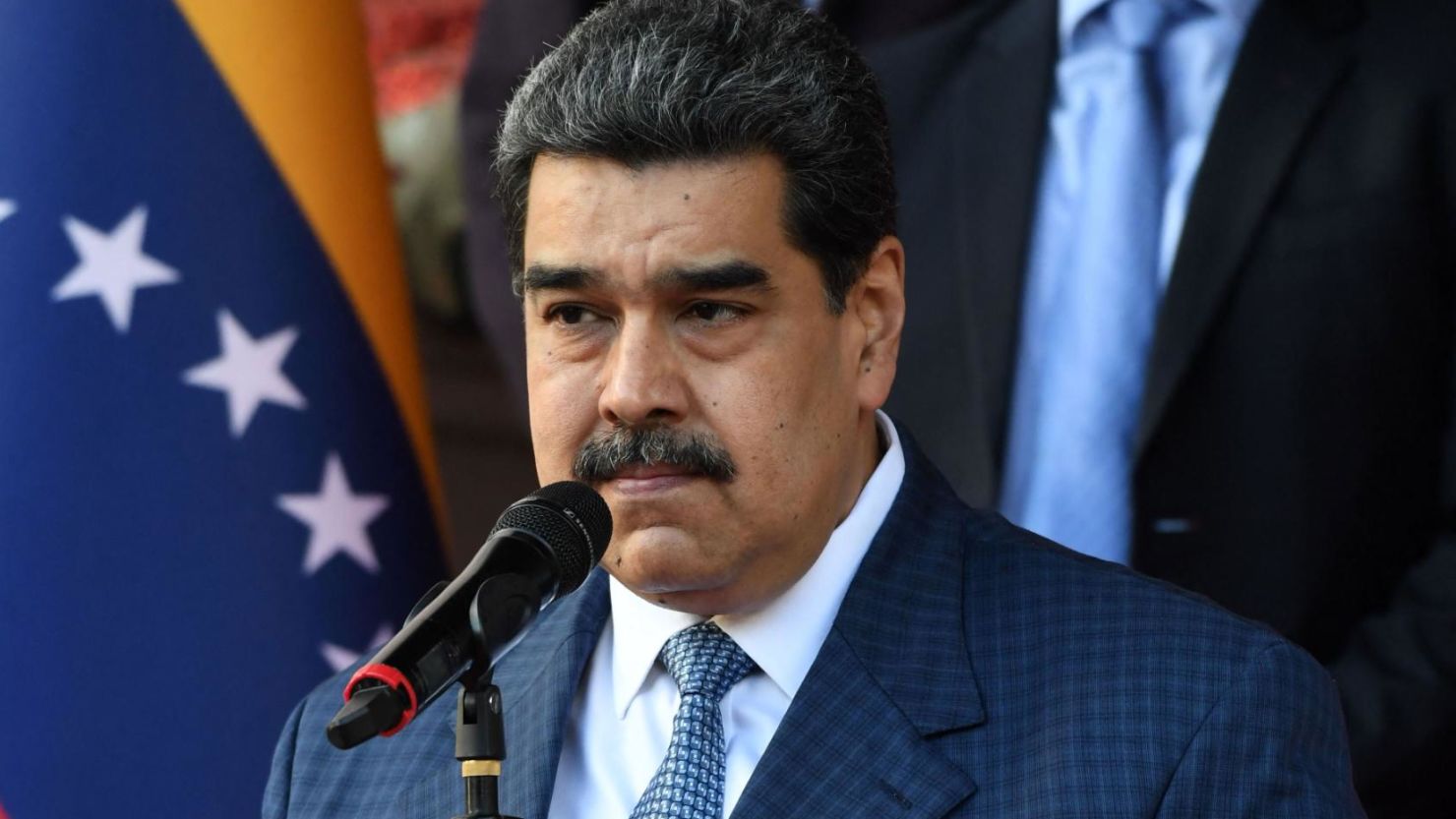
President Nicolás Maduro delivers a fiery speech condemning the US tanker seizure, calling it an act of “piracy” and rallying national support.
Turning Market Turmoil into Personal Gain
If you’re watching these developments and wondering how to position yourself, there are practical steps to consider for potentially profiting from the volatility. One straightforward approach is investing in gold exchange-traded funds, or ETFs, which track the price of gold without requiring you to store physical metal, making it accessible for everyday investors. With gold’s recent surge amid geopolitical tensions, allocating a small portion of your portfolio—say 5% to 10%—could act as a hedge against further instability, and history shows these assets often appreciate during crises like the one unfolding in Venezuela.
Another option involves silver mining stocks, which have jumped alongside precious metals, offering leveraged exposure if you believe the fear trade will persist. For those with a longer view, consider diversifying into energy sectors indirectly affected, such as US-based oil firms that might benefit from reduced competition if Venezuelan output stays low. Always consult a financial advisor to tailor these ideas to your risk tolerance, but acting swiftly on informed decisions could turn today’s headlines into tomorrow’s gains.
Digging Deeper: Key Questions on the Venezuela Crisis and Gold Surge
What Events Led to the US Capture of Nicolás Maduro?
The US operation to capture Nicolás Maduro stemmed from long-standing indictments on drug trafficking charges filed back in 2020, but tensions escalated dramatically in late 2025 amid disputed elections and economic collapse in Venezuela. On January 4, 2026, US forces conducted a surprise raid in Caracas, extracting Maduro and his wife from a fortified location, marking an unprecedented move in modern international relations.
This action, described by the Trump administration as a law enforcement mission, has drawn international backlash, including from allies like Colombia, while sparking debates on sovereignty. Experts note that years of sanctions and diplomatic isolation paved the way, but the timing aligns with Trump’s aggressive foreign policy stance, potentially aiming to secure oil resources amid global energy shifts.
How Might This Affect Long-Term Oil Production in Venezuela?
Reviving Venezuela’s oil sector post-Maduro could take years, despite its massive reserves, due to deteriorated infrastructure and a brain drain of expertise over the past decade. If US companies step in as pledged by President Trump, investments could reach $30 billion or more to repair pipelines and refineries, but initial disruptions might actually lower output before any rebound.
Analysts predict that stable production won’t return until 2028 at the earliest, assuming political calm, which remains uncertain with opposition figures vying for power. In the meantime, global oil markets may see minimal supply boosts, keeping prices steady unless other OPEC nations adjust quotas, offering opportunities for alternative energy investors.
Could Gold Prices Hit New Highs in 2026 Amid Ongoing Tensions?
Gold could indeed push beyond its December 2025 peak of $4,549 if geopolitical risks persist, with forecasts suggesting $5,000 per ounce by mid-2026 driven by factors like central bank purchases and inflation fears. The Maduro capture has already amplified safe-haven demand, but additional catalysts such as potential escalations in the Middle East or US-China trade frictions could accelerate this trend.
Investors should watch economic indicators like interest rates, as lower cuts from the Federal Reserve would further support gold’s appeal. While volatility is expected, diversified holdings in physical gold or related assets might yield strong returns for those patient enough to ride out short-term dips.