


How Trading Has Become More Accessible Through Technology
Before there were any banks or financial institutions, the world’s trade depended on the barter system. People exchanged goods to make a livelihood, and gradually, this system was replaced by metal coins.
A few centuries later, paper currency was introduced, which paved the way for commercial banks and stock markets. So, it wouldn’t be wrong to assume that the world’s monetary system has experienced massive changes over the centuries.
From the barter system to Bitcoin, trading has become more accessible today.
And, it’s a fact that nothing would’ve been possible without the exponential growth in technology. Be it stocks, forex, or crypto, technology has digitalized the financial markets. In this article, I will explain how the technology has fueled some massive changes in trading and how it has made it more accessible than ever before.
So, without further ado, let’s get started!
Growth of Internet Infrastructure
The internet is the backbone of our hyper-connected world. Social media platforms, gadgets, smartphones, and whatnot, almost all devices around us require reliable internet connectivity in some capacity.
The rise of trading platforms today, which I will discuss in the next heading, has directly benefited from the growth of internet infrastructure. Cable, fiber, and satellite internet providers have dramatically increased their footprint.
And, there’s a strong likelihood that you will find an internet connection, even at the edge of the world.
That said, the expansion of internet infrastructure has allowed traders to thoroughly analyze the financial markets. With social media platforms and trading communities, traders can assess the market’s condition, invest, and earn handsome profits without physically visiting a financial market.
Rise of Trading Platforms
The introduction of online trading platforms has significantly reduced the role of the middleman, typically the brokers, in the trading world. Today, these trading platforms have empowered rural residents to monitor and actively invest in financial markets.
What’s more, with market-centric trading platforms, it has become even easier for people to invest in the financial markets of their choice.
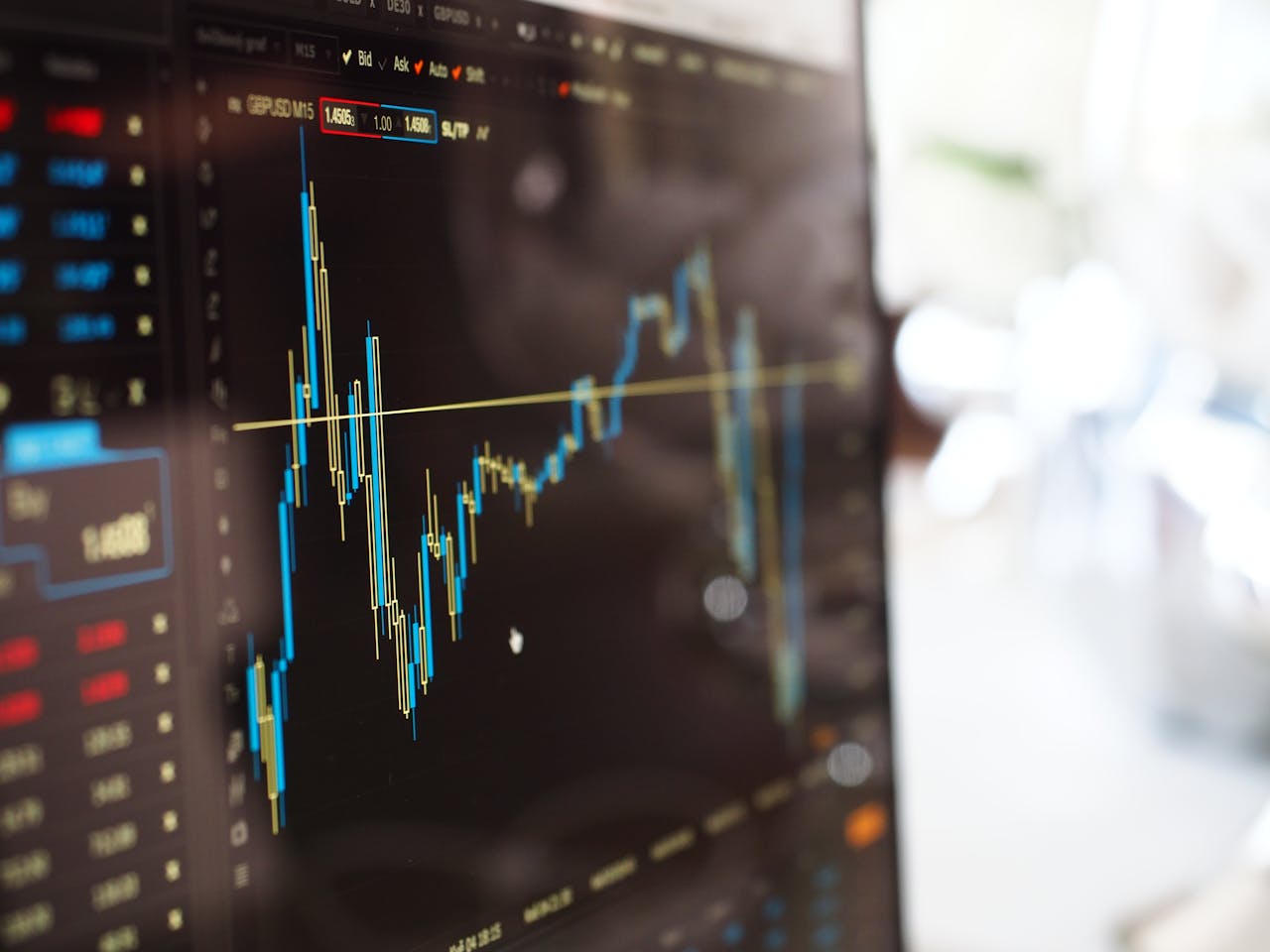
For instance, Binance is one of the leading platforms to trade cryptocurrencies. Similarly, you can trade commodities and currency pairs directly from your smartphone through platforms like Exness. In addition, trading platforms use real-time data so that their customers can make informed decisions and avoid losses.
Availability of Educational Resources
Whether you invest in crypto, stocks, or currency pairs, every type of trading carries significant risk. While the growth of internet infrastructure and trading platforms has empowered more people to trade, it’s the educational resources that have helped them understand the financial markets.
I’ve already mentioned above how social media platforms and trading communities help traders to analyze the financial markets. In addition, educational resources, such as articles, reports, short videos, and podcasts, to name a few, also help understand the financial markets and make informed decisions.
Additionally, trading software and tools like TradingView offer detailed insights to amateur traders. Whether it’s market volume, supply, demand, resistance, support, or other technicalities, such software uses sophisticated algorithms to automatically analyze the market situation and help people trade without any hiccups.
Influence of Artificial Intelligence
The role of Artificial Intelligence (AI) in trading has significantly increased in recent years. AI-powered trading tools, platforms, and other resources use Machine Learning (ML) and Natural Language Processing (NLP) to trade.
Such tools analyze the historical data available across the web and make near-accurate predictions. Other than this, trading software also uses AI to create different market indicators to assist beginner traders.
Here, the goal of AI is to simplify the trading process. From choosing the best performing assets in different financial markets to assessing their historical performance and initiating trades, AI tools can automate everything.
That being said, blindly trusting such predictions is not recommended at all, and it’s best if you validate them with your own research. It’s because AI tools and software are prone to mistakes. And, they might fail to accurately adjust according to new market conditions.
So, while AI tools can greatly help you trade, it’s best if you always validate their findings with your own research for the best results.
Focus on Data Protection and Cybersecurity
One of the downsides of rapid technological growth is that bad actors have also devised sophisticated methods to launch cyberattacks.
However, some of the most reputable trading platforms take extensive security measures to protect customers’ investments. Trading platforms incorporate measures like multi-factor authentication (MFA), PIN, face, or finger scans to offer security with several layers.
In addition, the blockchain technology and decentralized platforms have played a significant role in winning people’s trust. Digital platforms actively implement such measures to provide a secure environment for trading.
So, this is how technology has played a pivotal role in making trading more accessible.
Today, people don’t have to visit the nearest stock market or hire a brokerage firm. They can simply install a trading application, create an account, and invest in different assets without stepping out of their homes.