

Financial Architecture in a Higher-Scrutiny Era
Cross-border structuring is no longer about optimisation alone. In today’s enforcement climate, it is about defensibility, documentation and long-term sustainability. For corporates and private clients operating between Europe and the Middle East, advisory support has evolved into strategic infrastructure — embedded into governance, transaction planning and capital flow management.
Founded in Nicosia, Cyprus in 1998, Aspen Trust Group positions itself as a global financial architect — structuring international transactions, building compliant frameworks and guiding businesses through planning, implementation and long-term management.
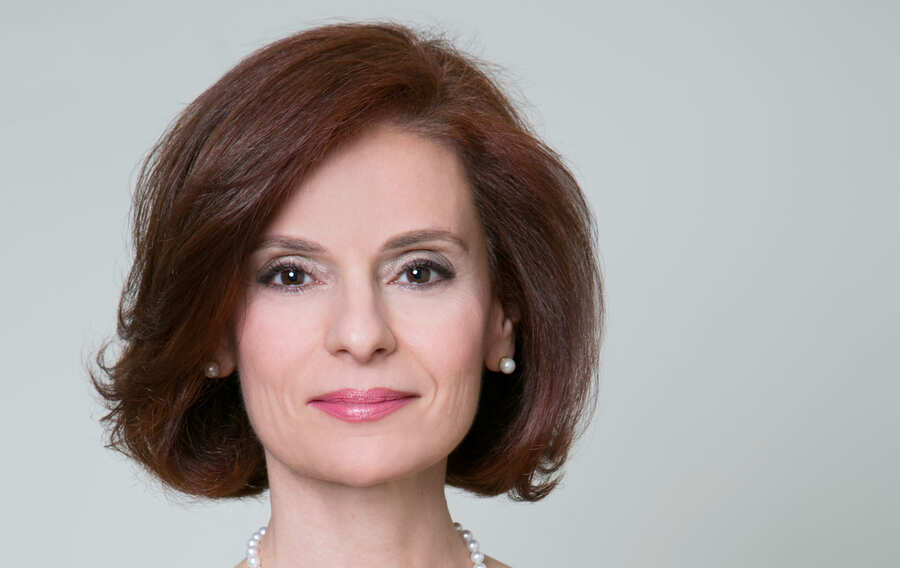
At the centre of that strategy is Marina Zevedeou, a Chartered Accountant and London School of Economics graduate whose career spans PwC in London and Athens, senior advisory roles in Cyprus, and more than two decades in international structuring, tax advisory and family office services.
Finance Monthly spoke with Zevedeou about regulatory pressure, Middle East market dynamics and why professional financial advice has shifted from a cost-saving exercise to a risk discipline.
Q&A: Risk, Governance and Cross-Border Strategy
FM: What does disciplined cross-border structuring look like in today’s regulatory climate?
Marina Zevedeou:
It begins with clarity. Clients want certainty around compliance, transparency in reporting and structures that can withstand regulatory scrutiny across multiple jurisdictions.
Disciplined structuring means aligning legal, tax and operational frameworks from the outset — not retrofitting them later. It also means anticipating how decisions taken today will be examined during an audit, refinancing, IPO or sale years down the line.
Our role is to ensure structures are efficient but also defensible.
FM: What differentiates advisory firms that succeed in the Middle East from those that struggle?
Zevdeou:
The region is dynamic, sophisticated and relationship-driven. Success requires three things: regional understanding, global connectivity and rigorous compliance.
We have built a network of trusted associates across the UK, US, UAE, Cayman Islands, Hong Kong, Singapore and Mauritius. That allows us to coordinate international structuring seamlessly.
Equally important is service integration. Clients do not want fragmented advice. They require entity formation, reporting, cross-border mergers, family office structuring, residency support and intellectual property advisory delivered cohesively.
Firms that cannot integrate these services under strong governance frameworks often struggle.
FM: How do you ensure innovation does not outpace regulatory defensibility?
Zevdeou:
Innovation must strengthen compliance, not undermine it.
We invest in digital reporting systems and operational efficiencies, but every technological enhancement is assessed against regulatory requirements. We continuously monitor global developments and adapt accordingly.
Transparency, internal controls and documentation standards remain central. Innovation without compliance discipline creates long-term risk.
FM: Where are the next regulatory and reputational pressure points emerging in the region?
Zevdeou:
Two areas stand out: enhanced cross-border information exchange and ESG integration.
International transparency initiatives mean structures must be coherent and well documented. At the same time, investors and stakeholders increasingly examine governance and sustainability practices.
Advisory firms must align structuring strategies with both regulatory obligations and reputational expectations. That alignment is becoming essential for investor confidence.
FM: What governance controls become critical as advisory firms expand internationally?
Zevdeou:
Expansion requires robust internal systems. Clear reporting lines, independent compliance oversight, documented processes and secure data management are fundamental.
We have grown strategically, building relationships with trusted partners rather than pursuing uncontrolled scale. Personalised service and disciplined oversight must evolve together.
Governance cannot be an afterthought — it must scale with the business.
FM: How do trust and corporate structures influence investor confidence in the Middle East?
Zevdeou:
Sound structures underpin capital flow. When governance frameworks are transparent and compliant, investors operate with greater certainty.
Trust and corporate services contribute directly to financial ecosystem stability. By ensuring regulatory alignment and supporting cross-border structuring, we help create conditions where businesses can expand confidently.
FM: What are the most expensive mistakes businesses make when they avoid professional advice?
Zevdeou:
The most costly errors often stem from incomplete documentation, inadequate cross-border tax analysis or poorly implemented structures.
Problems may remain dormant until a transaction, regulatory review or dispute forces disclosure. At that stage, they can affect valuation, delay deals or create reputational consequences.
Professional advice early in the lifecycle of a structure reduces uncertainty and protects enterprise value.
From Planning to Long-Term Management
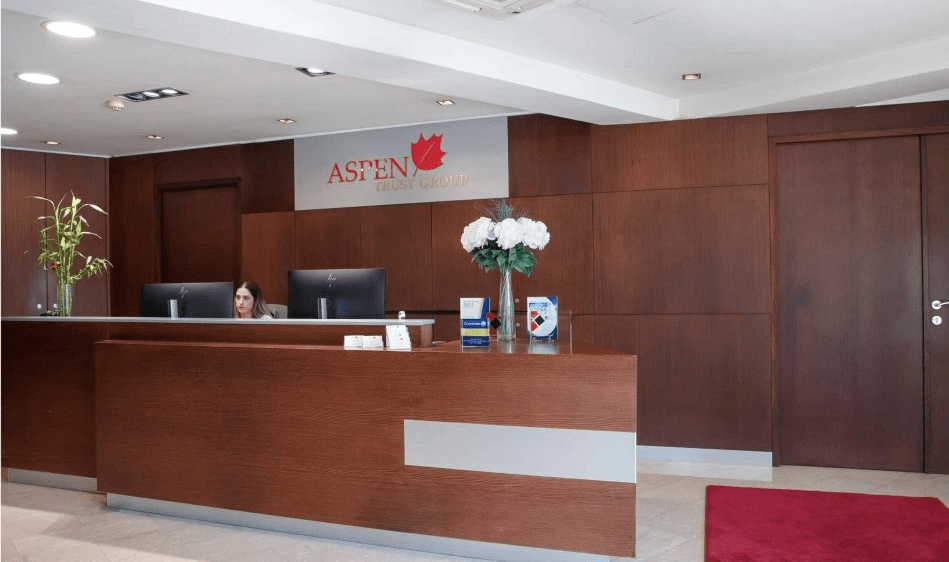
Since its establishment in 1998, Aspen Trust Group has operated on a three-stage philosophy: planning, implementation and management.
Planning involves tailoring structures to each client’s commercial objectives and jurisdictional exposure. Implementation ensures that entities, reporting systems and governance controls are executed correctly across relevant jurisdictions. Management recognises that financial structures must evolve as markets, regulations and corporate priorities shift.
The firm’s multidisciplinary team — including Chartered Accountants, former bankers and international tax specialists — operates across more than ten languages, reflecting the cross-border nature of its client base.
For Zevedeou, the objective remains consistent: efficient, compliant and forward-looking structuring that allows clients to focus on growth without regulatory uncertainty.
Professional Advice as Strategic Infrastructure
In an era of heightened transparency, professional advisory services are no longer viewed purely as administrative support. They form part of a company’s risk architecture.
Boards entering new jurisdictions, restructuring group entities or preparing for capital events increasingly prioritise defensibility and governance clarity. In that environment, structured financial planning and corporate services are not optional — they are foundational.
Dealmakers Advisory
Expert insight from the professionals shaping transactions before the market sees them.