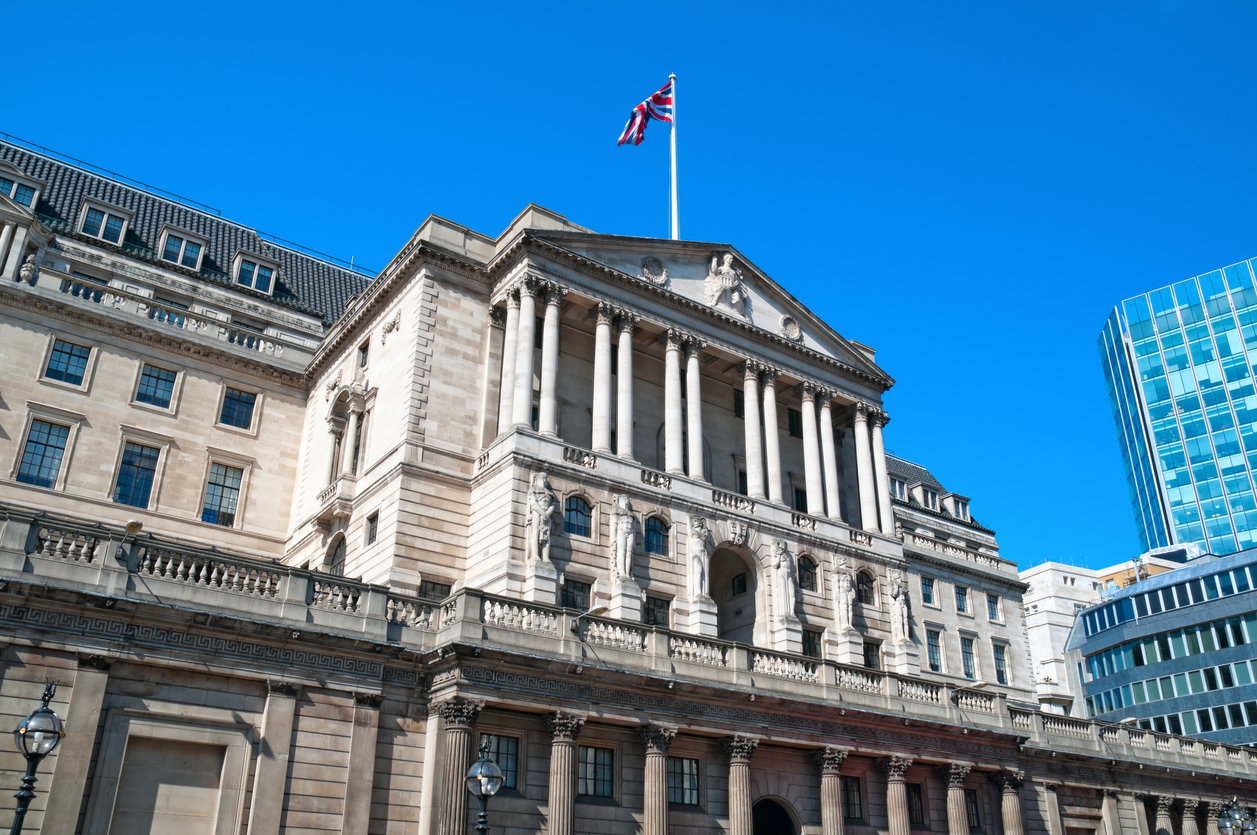
The Bank of England has raised concerns over proposals to cut capital requirements for major trading firms like Citadel Securities and Jane Street, setting up a rare clash with the Financial Conduct Authority. The financial question is immediate: will looser rules boost market liquidity—or leave the system more exposed when conditions turn?
At the centre of the dispute is a simple but critical shift. The FCA wants to reduce how much capital trading firms must hold, arguing this would improve liquidity and make the UK more competitive. The Bank of England is pushing back because cutting capital buffers changes what happens when markets come under stress, and that is where the real financial risk sits.
Market Risk
The expectation is straightforward. Lower capital requirements should free up balance sheets, allowing trading firms to deploy more money into markets. That typically means tighter spreads, faster execution and deeper liquidity, which benefits investors and strengthens London’s position as a global trading hub.
The reality is more complicated. Liquidity is only valuable if it exists when markets are under pressure. Firms such as Citadel Securities and Jane Street now handle enormous volumes of trading activity, effectively acting as the infrastructure behind modern markets. But unlike banks, they are not required to hold the same level of capital protection.
That creates a structural gap. If capital requirements are reduced further, these firms may be even more efficient in normal conditions but less resilient in extreme ones.
The risk is not simply that a firm struggles. It is that liquidity disappears precisely when markets need it most, amplifying volatility rather than absorbing it.
Growth Trade-Off
This is where the policy tension becomes unavoidable. The FCA’s push reflects a broader UK strategy to drive growth and attract more trading activity after Brexit. If capital rules are too restrictive, firms can shift activity to jurisdictions where requirements are lighter, taking liquidity and revenue with them.
But the Bank of England is focused on a different financial question: what happens if capital requirements for trading firms are reduced and markets turn unstable? The concern is not theoretical. Banks increasingly rely on these firms for trading, financing and risk transfer, meaning any weakness can spread beyond a single company.
The deeper issue is dependency. Markets are becoming more reliant on firms that provide constant liquidity in calm conditions but are not structured like traditional shock absorbers. That works efficiently most of the time, but it introduces a vulnerability that only becomes visible under stress.
This dispute goes beyond a technical regulatory disagreement. It reflects a fundamental shift in how financial markets operate and where risk now sits. Trading firms have replaced banks in many core functions, but regulation has not fully caught up with that reality. The UK is effectively choosing between two outcomes. One is a more competitive, liquid market that attracts global trading activity. The other is a system that may be more exposed if liquidity providers pull back during a crisis. The tension is that both outcomes can exist at the same time—until they cannot.
The Bank of England’s resistance suggests a growing concern that the current model may be efficient but fragile. The FCA’s position suggests that without change, the UK risks losing ground to other financial centres. What looks like a regulatory disagreement is really a decision about how much hidden risk the system can carry in exchange for growth.








![Top Crude Oil and Energy Trading Platforms for UK Traders [2026 Rankings]](https://www.finance-monthly.com/wp-content/uploads/2026/07/pexels-alimuart-15981221-150x150.jpg)