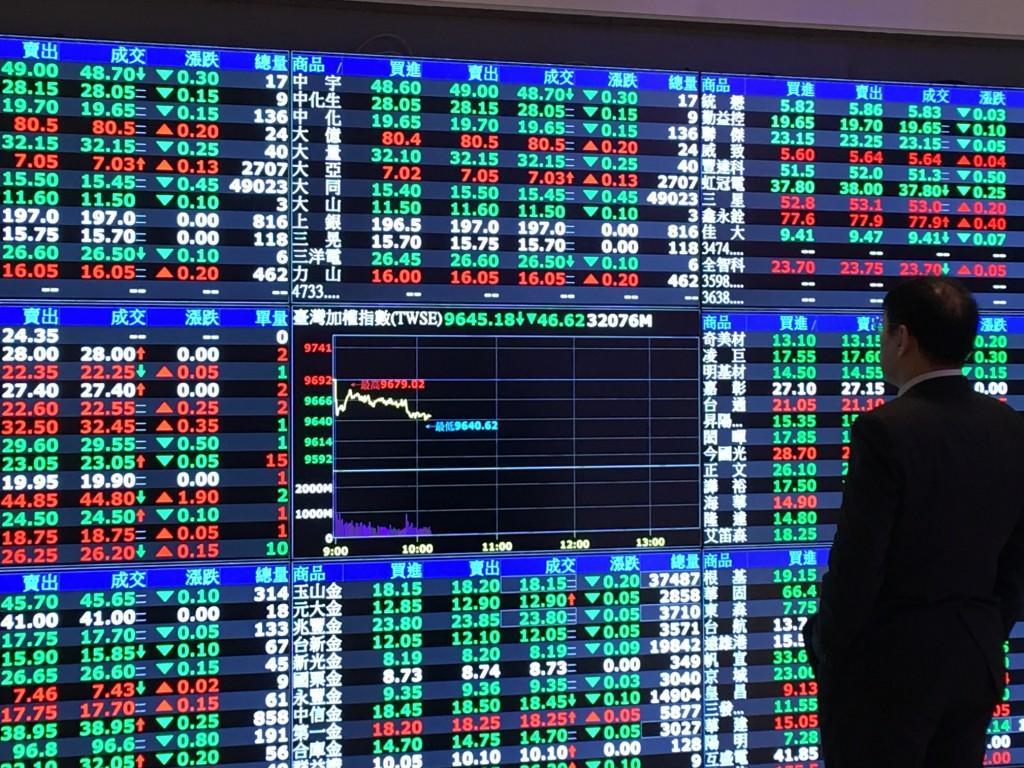
Emerging market stocks have hit a record high in April, with the MSCI Emerging Markets index up more than 15%, but almost half of those gains have come from just three companies: Taiwan Semiconductor Manufacturing Company, Samsung Electronics and SK Hynix.
The implication for investors is clear. What looks like diversification is increasingly tied to the same AI chip trade that has already powered US markets.
The rally looks global, but the engine is narrow. Taiwan Semiconductor Manufacturing Company, Samsung Electronics and SK Hynix sit at the centre of the AI supply chain, producing the advanced chips and memory used by hyperscalers investing hundreds of billions into infrastructure. As their share prices surge, they pull the entire index higher.
This creates a structural shift. Emerging markets have traditionally been used to diversify away from developed market risk, but the dominance of these companies means the index is increasingly tied to one global theme. If AI spending accelerates, the index rises. If it slows, the impact could be just as concentrated.
The financial risk is not that the rally is wrong, but that it is misunderstood. Taiwan and South Korea now account for a significant share of the index, while China’s weighting has been capped, making the benchmark less representative of the broader emerging market economy.
At the same time, parts of the developing world remain under pressure from energy shocks linked to the Iran conflict, particularly oil-importing countries whose markets have not recovered as strongly. The result is a headline record that masks uneven performance underneath.
For investors, the key question is no longer simply why emerging market stocks are rising. It is whether they are still delivering true diversification, or quietly becoming another way to gain exposure to the global AI boom—and the risks that come with it.