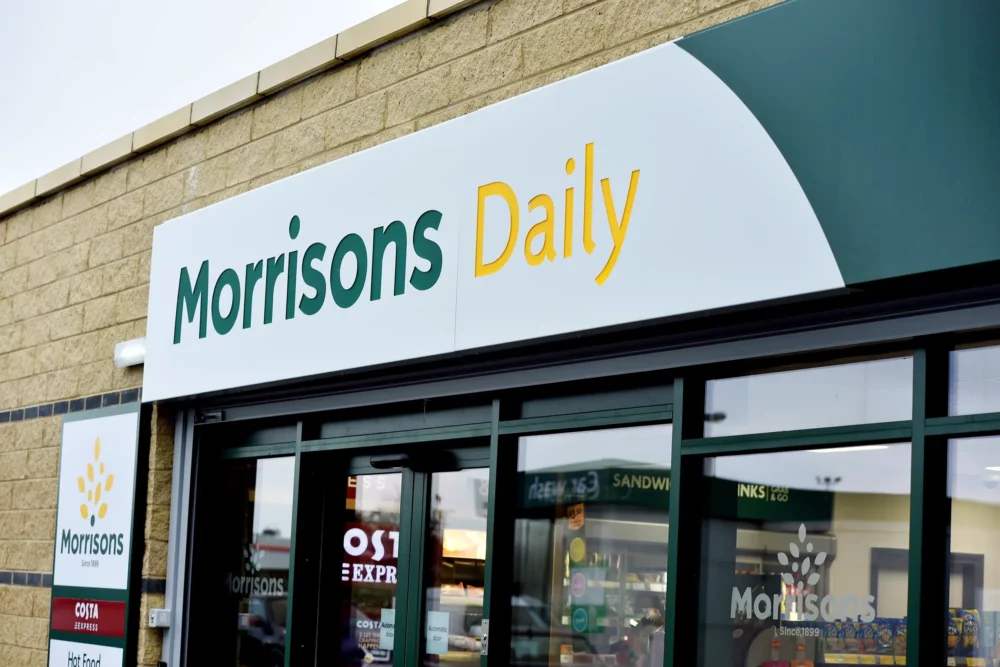
Hundreds of supermarket workers could lose their jobs after Morrisons confirmed it will shut more than 100 convenience stores, saying higher wage bills and tax increases have made some locations financially unsustainable.
The closures come as millions of households across Britain are already struggling with higher food prices, climbing fuel bills and growing anxiety over job security. Morrisons said many of the affected stores — most of them acquired through its takeover of McColl's in 2022 — had been losing money for years, but recent increases in employer national insurance contributions and the minimum wage made recovery even harder.
A consultation with affected staff has now begun. Morrisons says it will try to move some employees into other parts of the business where possible, but the announcement still delivers another blow to Britain’s retail workforce.
Another shock for lower-paid workers already struggling with rent, food and energy bills.
Morrisons operates around 1,700 convenience stores and employs roughly 95,000 people across the UK. The latest closures underline how fast conditions are worsening for British supermarkets as chains battle shrinking margins while also facing political demands to keep grocery prices down.
Convenience stores survive on thin margins and steady foot traffic. Even modest increases in wages, payroll taxes or electricity bills can quickly push weaker sites into the red.
Morrisons is not alone. Other retailers are also cutting stores, reducing staffing and scaling back services as consumer spending weakens and overheads continue climbing.
The timing is politically uncomfortable for ministers trying to show they are easing financial strain on households. This week, supermarket chains pushed back strongly against suggestions of price caps on essential food items after the government suspended some food tariffs and urged retailers to pass savings on to consumers.
Supermarkets say the maths no longer works in some locations. Shoppers want cheaper groceries, but retailers are simultaneously dealing with higher staffing costs, transport expenses and supply chain bills.
This is now the third round of job cuts announced by Morrisons in 2026 alone. Earlier this year, the company launched consultations over head office roles in Bradford and previously shut cafes, fresh food counters, florists and other in-store services as part of wider restructuring efforts.
For some towns, the closures could mean more than lost jobs. Convenience stores often serve as important local shopping hubs, particularly in areas with older populations or weaker transport links. Their disappearance can leave residents travelling further for basic groceries while nearby small businesses lose passing customer traffic.
Britain’s supermarket industry is starting to look far more fragile than many shoppers realised. When major chains begin shutting stores, cutting jobs and warning publicly about rising bills, it suggests the squeeze is no longer limited to household finances alone.
For many workers, the closures are another sign that even major supermarket chains are starting to retreat as Britain’s economic strain deepens.