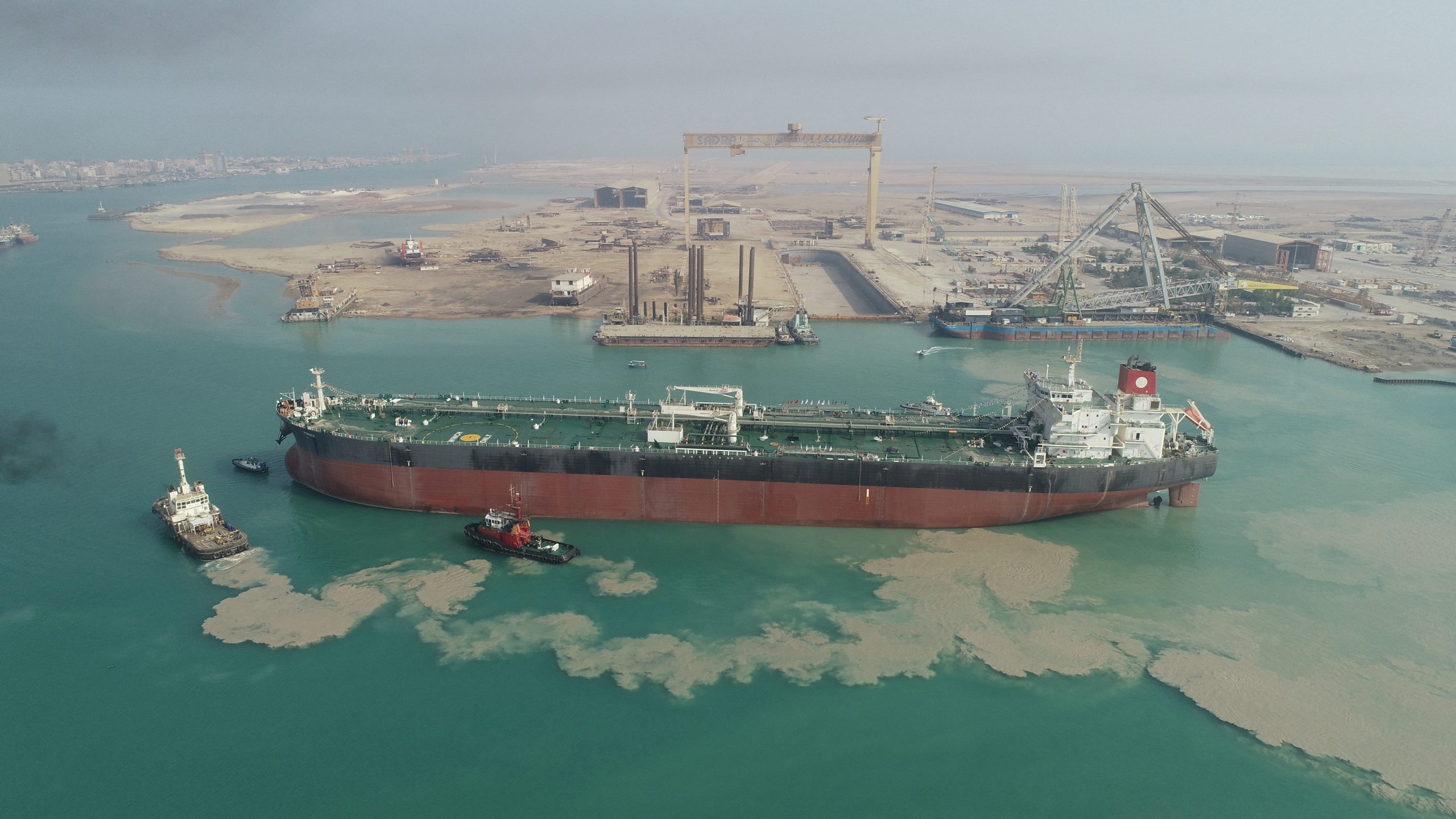
In a stunning move that has gripped the world today, US forces have captured a massive oil tanker just off Venezuela's coast, intensifying the already tense standoff between Washington and Caracas. President Donald Trump revealed the operation himself during a White House briefing, describing the vessel as the largest ever seized in such an action, while Venezuelan leaders fired back with accusations of outright piracy. This dramatic seizure arrives hot on the heels of heightened US military deployments in the Caribbean, including the mighty USS Gerald Ford carrier strike group and thousands of additional troops, leaving many to wonder if bolder steps against President Nicolás Maduro's regime are on the horizon.
The timing could not be more charged, coming mere weeks after Trump's reelection victory and amid fresh reports of Venezuelan oil evading sanctions through shadowy networks tied to Iran. Global markets felt the ripple immediately, with Brent crude futures ticking up by about 2% in early trading as traders braced for further disruptions in the region's vital energy flows. For everyday Americans watching gas prices at the pump, this feels like a direct hit, blending high-stakes geopolitics with the very real pinch at checkout lines.
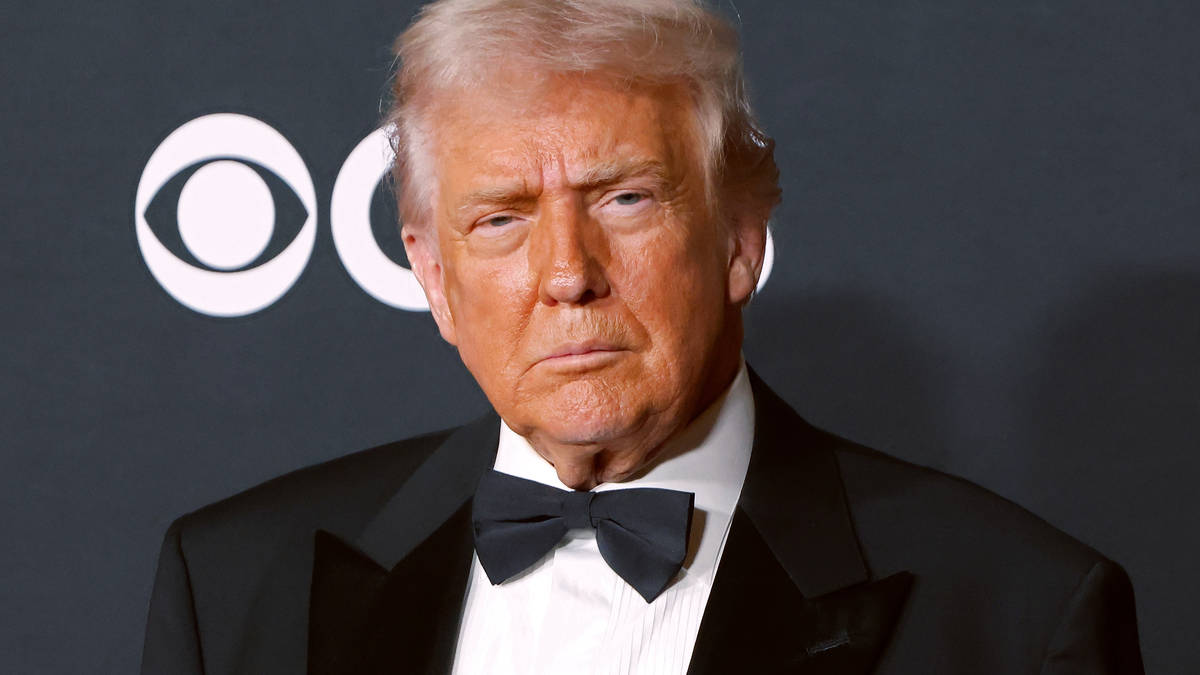
US President Donald Trump at a recent black tie event amidst the ongoing feud with Venezuela.
The Skipper Seizure: A High-Seas Operation Straight Out of a Thriller
The tanker in question, named the Skipper, has been under US sanctions since 2022 for its role in shuttling Venezuelan and Iranian crude that allegedly bankrolls groups like Hezbollah and Iran's Quds Force. Federal authorities released gripping video footage showing Coast Guard helicopters swooping in low over choppy waters, with elite teams rappelling down ropes onto the deck, weapons at the ready. The raid pulled together the FBI, Department of Defense, Department of Homeland Security, and US Coast Guard in a seamless display of interagency muscle that unfolded without a shot fired.
Trump wasted no time in claiming the prize for America, telling reporters with his signature flair, "We keep it, I guess... I assume we're going to keep the oil." That offhand comment landed like a thunderclap in energy circles, where the Skipper's cargo—estimated at over 2 million barrels of heavy crude—represents a significant chunk of Venezuela's sanctioned exports. Marine tracking data from services like MarineTraffic painted a picture of the ship's shady path, complete with a falsified flag and stops at ports in Iran, Iraq, and the UAE, all part of a web meant to dodge international scrutiny. This isn't just about one boat; it's a signal that the US is cracking down harder on the entire shadow fleet propping up Maduro's economy.
Venezuela's Fierce Backlash: Rage and Rallying Cries from Caracas
Venezuela's government erupted in fury almost before the helicopters lifted off, with Maduro declaring in a fiery address that his nation would fight tooth and nail to avoid becoming an "oil colony" for foreign powers. Interior Minister Diosdado Cabello piled on, branding the US as "murderers, thieves, and pirates" in a speech that echoed through the streets of Caracas, drawing cheers from crowds waving red flags. The rhetoric has a theatrical edge, yet it underscores the deep resentment simmering since sanctions first bit into Venezuela's oil-dependent lifeline years ago.
To lighten the mood for his base, Maduro even quipped at a packed rally about an old Bobby McFerrin tune, urging detractors in the US to "not worry, be happy" instead of chasing "crazy wars." But beneath the barbs lies a serious undercurrent of defiance, with Venezuelan state media looping the seizure footage alongside clips of past US interventions in Latin America. This isn't mere posturing; it's a calculated play to stoke national pride and paint Washington as the aggressor, potentially rallying allies like Russia and China to Maduro's side in the UN Security Council.
Trump's Bold Gamble: From 'No More Wars' to Caribbean Showdowns
For Trump, who rode to power on vows to end America's "endless wars" and bring troops home, this tanker grab throws his foreign policy into sharp relief. Critics from both parties are quick to call out the irony, pointing to how the operation clashes with the isolationist tones that defined his 2024 campaign. Yet supporters see it as a masterstroke, tying into hot-button issues like curbing drug flows through Venezuelan waters and enforcing sanctions that hit terrorist funding networks.
The buildup has been steady, with recent leaks revealing stepped-up aerial surveillance flights and joint exercises with regional partners, all under the banner of countering Maduro's grip on power. Just last month, the administration hinted at more asset freezes following a UN report on Venezuelan human rights abuses, but today's action feels like a leap forward. It's the kind of decisive punch Trump thrives on, yet it risks alienating swing voters in Florida's Cuban-American communities who crave tough talk but dread another quagmire south of the border.
The Steep Price Tag: Billions at Stake in a Brewing Storm
Experts are sounding alarms about the fallout, warning that this escalation could balloon into expenses far beyond the immediate thrill of the raid. Direct military outlays alone—for sustaining carrier groups, rotating troops, and mounting special ops—might climb past $20 billion in the first few months of any sustained pressure campaign, according to Pentagon budget trackers. Add in the logistics of securing seized assets and patrolling vast ocean stretches, and the tab keeps mounting.
Then there's the oil market wildcard, where Venezuela's vast reserves—among the world's largest—hold sway over global supply chains. Dr. Mamdouh G. Salameh, an international oil economist and global energy expert, paints a grim picture of what unchecked tensions could unleash, noting that disruptions like those seen in the 2003 Iraq invasion drove Brent crude prices from $40 to $120 per barrel, saddling the world economy with a heartbreaking $6 trillion hit in lost growth and inflated costs. "It's a devastating reminder," Salameh reflects with evident concern, "that meddling in oil-rich hotspots doesn't just spike pump prices; it ripples through families' budgets, jobs, and futures everywhere." His words carry a raw urgency, born from decades watching energy conflicts reshape lives.
Beyond dollars, the human toll looms large, from potential casualties among US sailors and Venezuelan crews to waves of refugees straining neighbors like Colombia and Brazil. Trade routes could snag, inflating everything from groceries to manufacturing inputs, while Maduro's regime might double down on alliances with adversarial powers, complicating US diplomacy across the hemisphere.
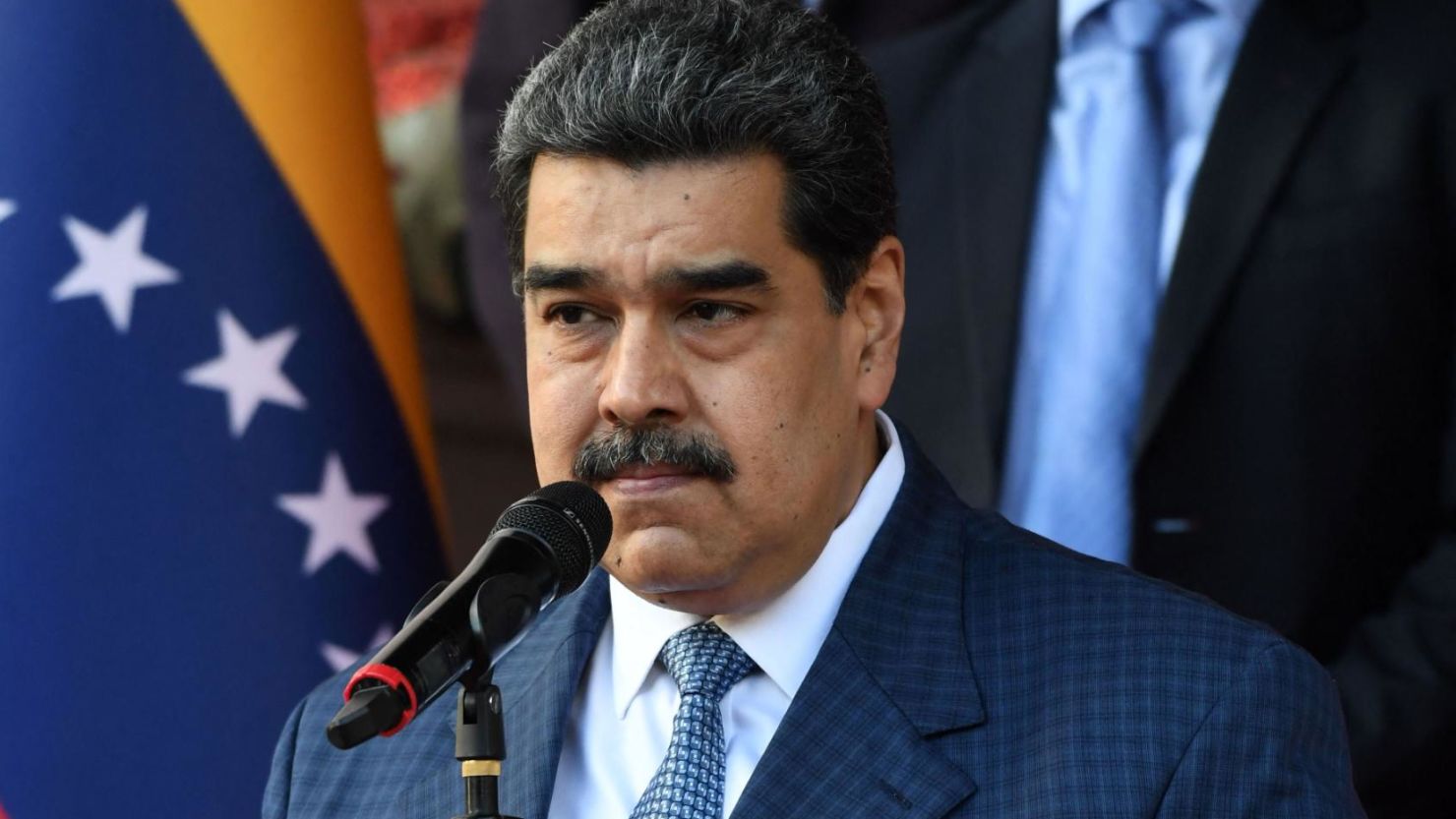
President Nicolás Maduro delivers a fiery speech condemning the US tanker seizure, calling it an act of “piracy” and rallying national support.
Eyes on the Horizon: How the World Is Reacting to the Shockwave
From London boardrooms to Beijing statehouses, the Skipper's fate is dominating headlines, with analysts poring over satellite imagery for signs of Venezuelan naval stirrings. The EU has urged restraint in a joint statement, fretting over energy security as Europe weans off Russian gas, while OPEC+ watches warily for any mandate to offset lost Venezuelan barrels. In the US, congressional hawks applaud the move as overdue enforcement, but doves like Senator Bernie Sanders decry it as "imperial overreach" that echoes Cold War follies.
This seizure slots into a pattern of tightening the noose, following last year's bust of a sanctioned cargo plane from Iran to Caracas and fresh indictments against oil smugglers. Each step amps the drama, turning the Caribbean into a tinderbox where a stray spark—say, a Venezuelan blockade attempt—could ignite broader chaos. For now, the Skipper sits impounded at a US port, its cargo a trophy and a tantalizing what-if for policymakers weighing risks against rewards.
The Real Stakes: Navigating Peril in Pursuit of Pressure
At its core, grabbing the Skipper scores a tactical win by starving Maduro's coffers and signaling zero tolerance for sanctions cheats, but the bigger canvas reveals a high-wire act. Trump has always played the dealmaker, promising America first without the burdens of overseas entanglements, yet this Caribbean flex tests that creed like never before. As oil traders hedge bets and families eye rising fuel tabs, the incident forces a reckoning: does short-term muscle against a rogue regime justify the long shadow of uncertainty it casts?
Venezuela's oil flows remain a geopolitical fault line, and today's events underscore how quickly bravado can veer toward brinkmanship. With Maduro digging in and Trump doubling down, the path ahead brims with pitfalls, from diplomatic isolation to economic aftershocks that no one—least of all ordinary folks—wants to pay for. In the end, the true cost may not show in balance sheets alone, but in the fragile trust between nations and the quiet hopes for peace in a volatile world.
Burning Questions: What This Venezuela Standoff Means for You
Will the US Seizure of the Skipper Tanker Drive Up Gas Prices at Your Local Pump?
Absolutely, and the effects could linger for months if tensions keep rising between the US and Venezuela. The Skipper carried millions of barrels of crude that now won't hit global markets, tightening supply just as winter demand peaks in the Northern Hemisphere. Analysts project Brent crude could climb another 5-10% short-term, translating to 20-30 cents more per gallon at US stations, hitting drivers in states like Texas and California hardest. But it's not all doom; if the seizure forces Maduro to negotiate sanctions relief, production might rebound, easing prices by spring. For families budgeting holidays or commutes, this is a stark nudge to track energy news closely, as one tanker's detour underscores how far-flung politics shapes everyday expenses.
Could This Lead to Full-Blown Military Conflict Between the US and Venezuela?
While no one is predicting tanks rolling into Caracas tomorrow, the risk of skirmishes has undeniably spiked with today's tanker raid and the USS Gerald Ford's looming presence. Venezuelan forces have drilled defensive maneuvers near key ports, and Maduro has hinted at asymmetric responses like mine-laying or proxy actions through allies. US officials insist this stays in the sanctions-enforcement lane, but history shows escalations like the 1989 Panama invasion started with asset grabs. Cooler heads in the OAS and UN might broker de-escalation talks, yet the human stakes—thousands of troops on alert, civilian lives in the balance—demand vigilant diplomacy to avert a needless clash that drains resources without clear victors.
How Is the Global Economy Bracing for Ripple Effects from US-Venezuela Tensions?
Business leaders worldwide are hunkering down, with airlines and shippers rerouting around potential hot zones and investors shifting toward diversified energy portfolios. Venezuela's output, hovering around 800,000 barrels daily despite sanctions, feeds refineries from Houston to Singapore, so any prolonged standoff could inflate costs across shipping, plastics, and agriculture. Central banks like the Fed are modeling scenarios where oil surges add 0.5% to inflation, prompting rate tweaks that slow hiring and home sales. On a brighter note, tech-driven efficiency gains in renewables offer a buffer, but for now, CEOs from ExxonMobil to Unilever are stress-testing supply chains, reminding us how interconnected our world truly is—and why resolving this feud peacefully benefits everyone from Wall Street to Main Street.