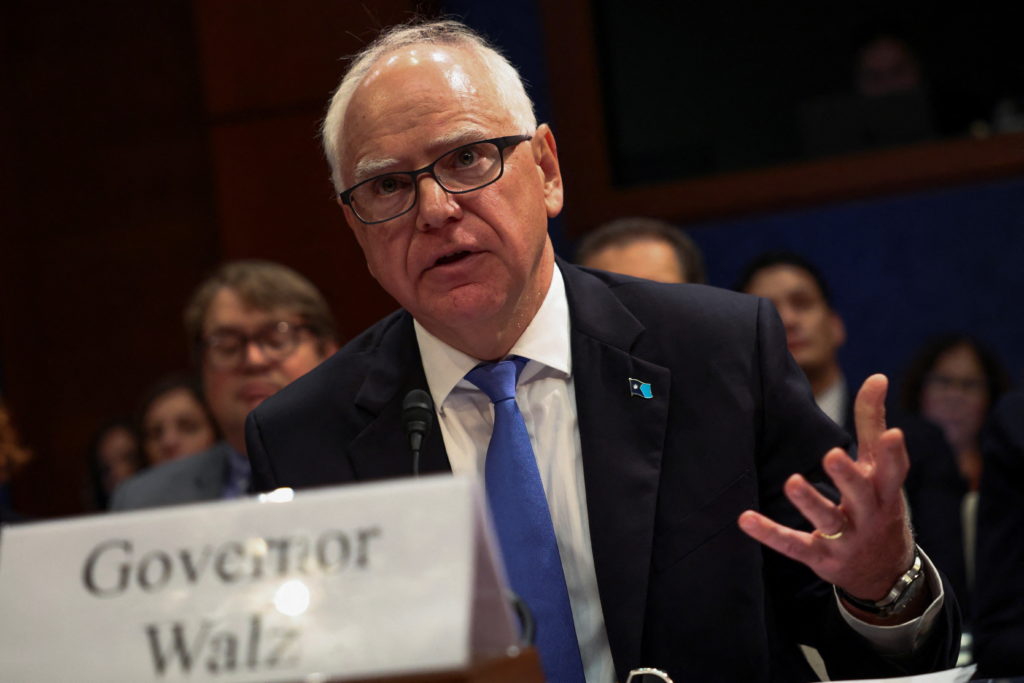
Minnesota's longstanding image as a beacon of ethical governance and reliable public service faces a serious challenge today, with Governor Tim Walz at the epicenter of a massive welfare fraud scandal that has captured national attention. As fresh reports emerge on January 5, 2026, indicating Walz's imminent withdrawal from the 2026 gubernatorial race, the controversy underscores deep concerns about oversight during his administration, shaking voter trust in a state known for its steady competence.
This unfolding drama, involving hundreds of millions in stolen funds from child nutrition programs, highlights how good intentions can sometimes lead to exploitation, leaving taxpayers frustrated and demanding answers.
The Massive Scale of the Fraud
Federal prosecutors have labeled this the largest COVID-era fraud scheme in the nation, with over 90 individuals charged and around 60 convictions already in place as investigations continue to expand. The scheme primarily revolved around the nonprofit Feeding Our Future, which allegedly submitted phony claims for millions of meals that never reached hungry children, diverting funds meant for emergency aid into personal luxuries like cars and homes. Recent updates from sources like CBS News and the New York Times suggest losses could climb into the billions across multiple programs, including housing and Medicaid, with fraudulent activity peaking under Walz's watch despite some roots predating his term.
This isn't just about numbers on a balance sheet, it's a betrayal that hits families hard, especially during a pandemic when support was desperately needed. Republicans point to lax oversight as the culprit, while Democrats argue the fraudsters exploited a system designed for speed in crisis times, but the sheer volume of misappropriated money has everyone questioning how such a breakdown occurred in a state priding itself on meticulous administration.
Walz's Accountability and Response Efforts
Governor Walz has openly accepted blame, stating in recent press briefings that the failures happened on his watch and committing to reforms that address the vulnerabilities exposed by the scandal. He appointed a former judge with FBI credentials to spearhead anti-fraud initiatives, closed high-risk programs, and initiated external audits of billing practices, moves his supporters praise as decisive action in the face of criticism. Yet detractors, including former Governor Tim Pawlenty, contend these steps arrived too late, after red flags like suspicious claims went unheeded for years, allowing the scheme to balloon unchecked.
It's a nuanced situation where Walz's national role as the 2024 vice presidential nominee added layers of complexity, with some voters feeling his time on the campaign trail distracted from state duties. Even so, his track record on issues like education and healthcare remains a strong point for loyalists, who see him as a leader capable of learning from mistakes rather than dodging them.
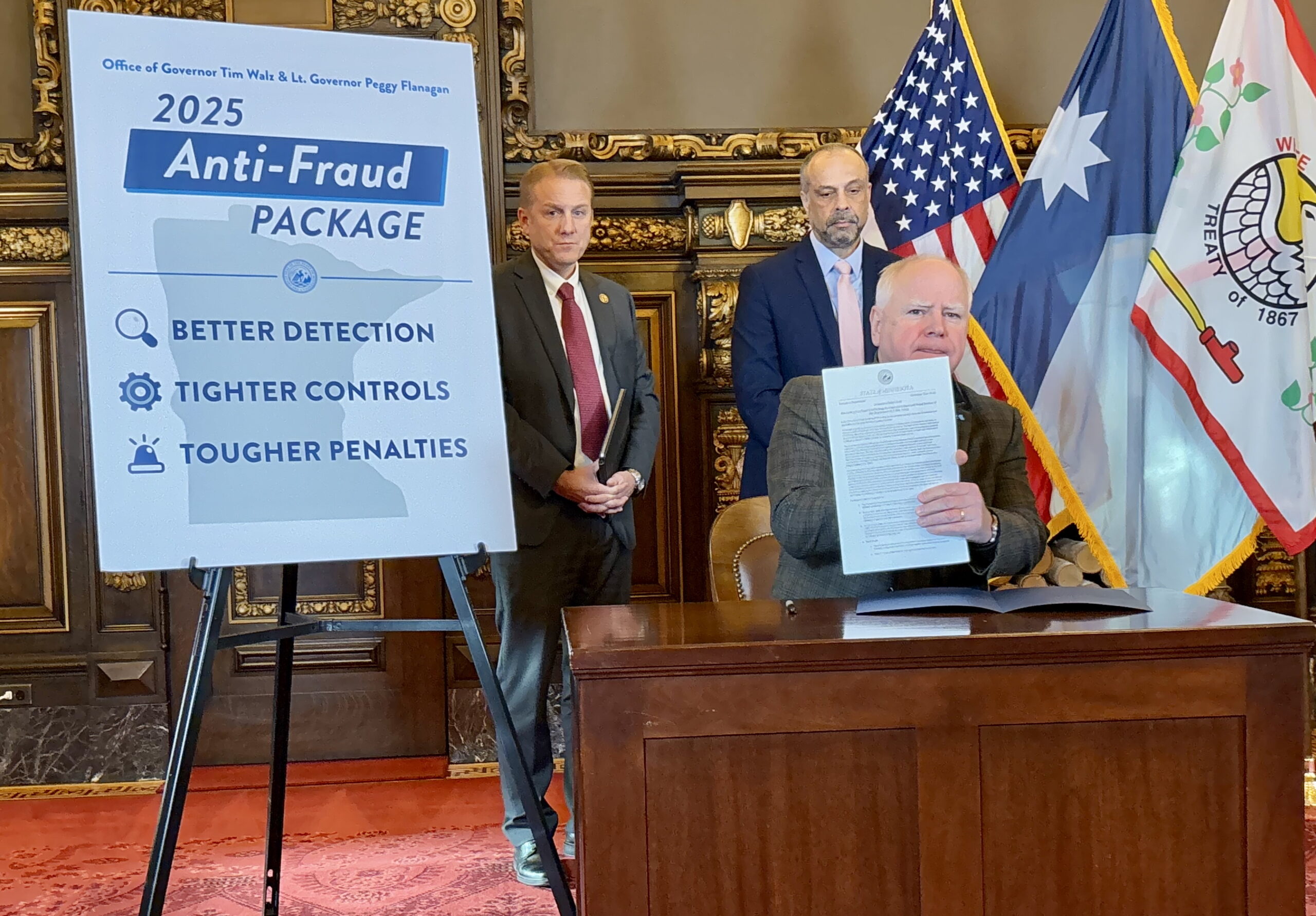
Gov. Tim Walz sits beneath an anti-fraud sign as his administration faces growing scrutiny over a major welfare-fraud scandal in Minnesota.
Public Outrage Shifts Minnesota's Political Landscape
The scandal clashes sharply with Minnesota's cherished "Nice" ethos, transforming public complacency into widespread anger as residents grapple with the reality of exploited generosity. Polls from late 2025, such as those by KSTP-TV, show Walz's approval ratings hovering at a precarious 48 percent, with a majority urging stronger anti-fraud measures and expressing disappointment in governance standards. Voices from across the spectrum, including independents like Minneapolis resident Tim Law, echo concerns that national ambitions may have overshadowed local vigilance, fueling a narrative Republicans are amplifying ahead of the election.
This shift isn't partisan theater alone, it's a genuine erosion of faith that could influence turnout, as everyday Minnesotans voice frustration over taxpayer dollars vanishing while essential services suffer. The controversy has even drawn commentary from figures like businessman Mike Lindell, positioning the GOP to capitalize on voter fatigue in a traditionally blue state.
Breaking Developments: Walz's Expected Exit
In a stunning turn reported by outlets including the New York Post and Daily Mail on January 5, 2026, Governor Walz is set to announce his withdrawal from the 2026 race during a press conference this morning, amid intensifying scrutiny from the Somali-linked fraud probe. Political insiders like Blois Olson suggest this decision follows meetings with Senator Amy Klobuchar and growing doubts within his own party about his electability, comparing it to past campaigns derailed by scandals. The move comes as federal officers surge into Minnesota to investigate related day-care fraud, with viral social media exposés by journalists like Nick Shirley amplifying calls for accountability and pushing the issue into the national spotlight.[post:1][post:2]
This latest twist underscores the scandal's unrelenting grip, potentially paving the way for new Democratic contenders while Republicans sense an opening in a state without a GOP statewide win since 2006. Walz's departure, if confirmed, marks a pivotal moment, reflecting how persistent investigations can reshape political futures overnight.
National Spotlight and Lasting Implications
Walz's high-profile stint on the national stage has invited broader scrutiny, with congressional hearings announced by House Oversight Chairman James Comer probing ties to federal loans and demanding explanations for the oversight lapses. This isn't isolated to Minnesota, it raises questions about pandemic aid distribution nationwide, where similar vulnerabilities might exist, prompting a reevaluation of trust in government programs. For Walz, once seen as a steady hand, the scandal tests whether his legacy will be defined by achievements in social issues or by this glaring failure, influencing how voters nationwide view leadership in times of crisis.
As the 2026 race heats up, the fallout could ripple into other elections, reminding politicians that accountability isn't optional, especially when public funds are at stake. Minnesotans, known for their resilience, now face the task of rebuilding confidence in a system that let them down.
Unraveling the Scandal: Key Questions Explored
What Exactly Triggered the Feeding Our Future Investigation?
The Feeding Our Future probe began in early 2022 when federal authorities noticed irregularities in reimbursement claims for child nutrition programs during the COVID-19 pandemic, leading to raids on multiple sites and the discovery of falsified attendance records and meal counts. Prosecutors allege a network of Somali immigrants coordinated to create shell companies that billed for nonexistent services, funneling money overseas and into personal assets, with recent convictions including a woman who admitted to wire fraud in December 2025. This scheme exploited relaxed USDA rules for emergency aid, highlighting how bureaucratic flexibilities intended to speed help can invite abuse if not monitored closely, and it has since expanded to related fraud in group homes and day cares.
How Has the Fraud Impacted Everyday Minnesotans and Taxpayers?
Beyond the financial hit estimated at over $250 million from Feeding Our Future alone, with potential totals reaching $9 billion across schemes, the scandal has strained state budgets, diverting resources from genuine needs like education and healthcare while increasing taxes to cover shortfalls. Families who relied on these programs during hard times feel doubly betrayed, as funds meant for vulnerable children ended up funding lavish lifestyles, eroding community trust and prompting calls for systemic reforms. Recent surges in federal oversight aim to recover assets, but the long-term effect includes heightened skepticism toward welfare initiatives, potentially affecting enrollment and support for future aid programs in the state.
Is There a Chance Tim Walz Could Face Legal Repercussions?
While no charges have been filed against Walz personally as of January 2026, the ongoing congressional and DOJ investigations into administrative oversights could lead to subpoenas or civil liabilities if evidence shows deliberate neglect, though experts note political figures rarely face criminal prosecution without direct involvement. The focus remains on departmental failures rather than individual wrongdoing, but mounting pressure from GOP-led probes and public demands for accountability might result in formal inquiries or even impeachment talks in the legislature. This situation serves as a cautionary tale for governors nationwide, emphasizing the risks of indirect responsibility in high-stakes scandals.