Los Angeles stands as one of the most dynamic labor markets in the country, where entertainment studios, tech startups, and a massive gig economy all operate side by side. From rideshare drivers navigating busy freeways to delivery workers keeping the city moving, flexible work has become a defining feature of everyday life. However, this flexibility often comes with legal uncertainty, especially when workers are labeled as independent contractors despite performing employee-like duties.
These classifications can impact wages, benefits, and legal protections, leaving many individuals unsure of their rights. In this environment, understanding how workers' status is determined is essential to protecting fair treatment. This is where an independent contractor misclassifications lawyer at Moon Law Group plays a crucial role, helping workers challenge improper labels and pursue the protections they may be legally entitled to under California law. For many workers, this step can secure rightful compensation and stability going forward.
Why Labels Matter
Misclassification disputes often rest on ordinary details, fixed routes, required scripts, rating systems, or strict response times. In that setting, the independent contractor misclassification lawyer fits into a larger legal question: whether a business directs labor like an employer while sidestepping payroll duties, insurance costs, and wage laws meant to protect people whose work supports daily operations.
The California Standard
California applies the ABC test in many wage cases. A company usually must show freedom from control, work outside its usual business, and an established trade of the worker's own. Missing one part can point to employee status. Courts also compare written terms with daily practice. That fact-based review keeps attention on substance instead of labels.
Contracts Are Not Final
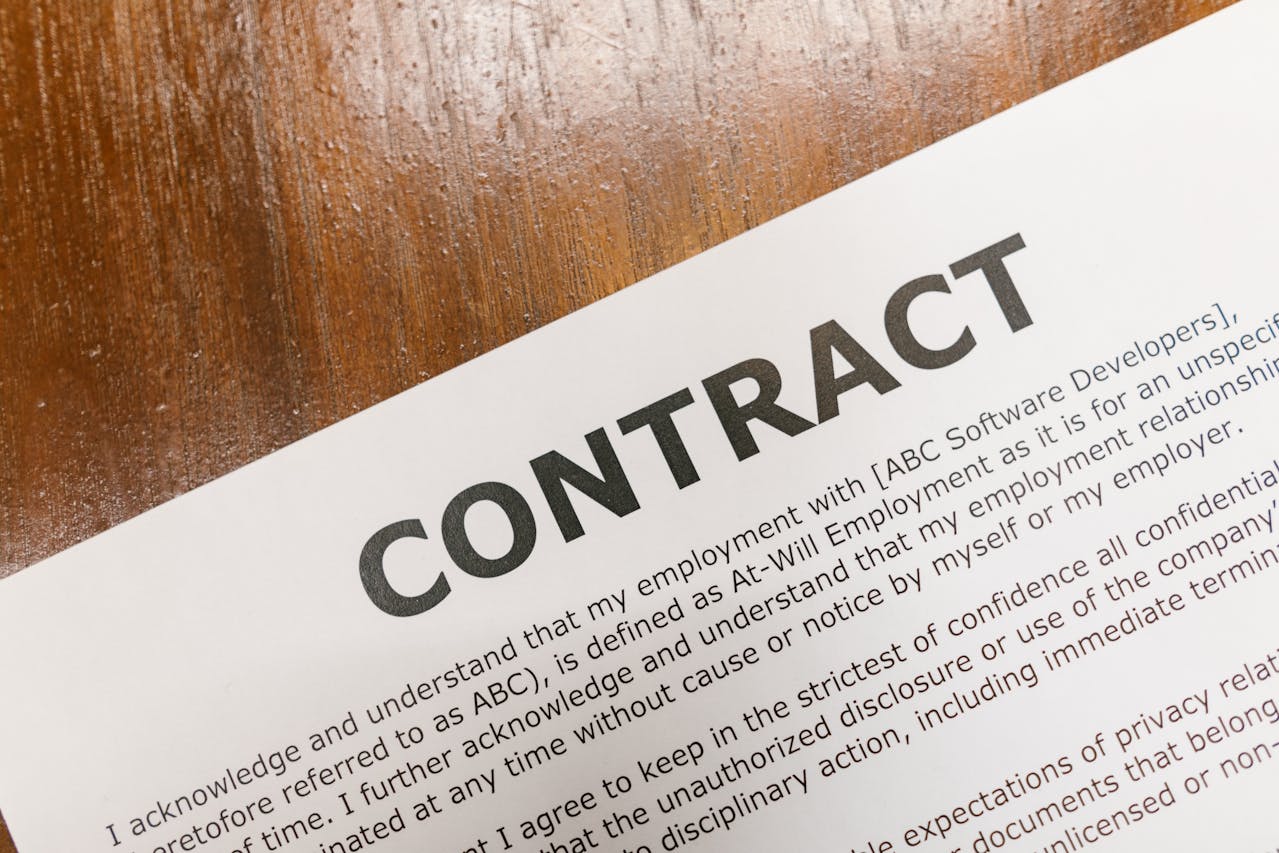
A signed agreement can matter, yet it rarely decides the case on its own. Judges and agencies ask whether the document matches real conditions on the ground. Some contracts promise independence while the company sets rates, disciplines conduct, and limits outside jobs. When paper and practice conflict, conduct often carries greater weight. This mismatch can become strong evidence.
Daily Control Signals
Daily routines can quickly reveal the true relationship. Set shifts, mandatory meetings, dress rules, and approval steps may show employer control. Software tracking can provide additional evidence when it measures routes, response times, or customer communication. Frequent oversight weakens the claim of separate business activity. Repeated check-ins may show limited freedom over the work.
Expense And Risk Clues
Money flow can tell its own story. Genuine contractors usually invest in equipment, advertising, and insurance, and take on the risk of profit or loss. Misclassified workers may pay for fuel, phones, repairs, or supplies without meaningful bargaining power. If the company controls prices and provides customers, that setup can look less independent. Financial risk may sit heavily on one side.
Pay And Break Losses
Improper labels can hide direct wage harm. Employees may be owed minimum pay, overtime, meal periods, rest breaks, and accurate wage statements. A contractor tag may also cover unpaid time spent waiting, traveling between jobs, or finishing reports after assigned tasks end. Small shortages often grow over months. That pattern can produce significant recovery claims.
Taxes, Insurance, And Benefits
Classification shapes more than hourly pay. Businesses may avoid payroll contributions while workers absorb self-employment tax, injury exposure, and unpaid downtime. Health coverage, unemployment support, and workers' compensation can disappear under one label. That cost shift matters when the company still directs the labor, much like regular employment. Benefit loss may account for a major share of the overall damage.
Retaliation Concerns
Some workers stay quiet because any complaint may threaten future shifts or assignments. Fear can rise when all communication runs through a single supervisor or a single platform account. Still, reduced hours, sudden discipline, or account deactivation may support a retaliation claim. Timing often matters almost as much as payroll records. Saved messages can help connect cause and effect.
Group Patterns In One Workplace
These disputes often affect more than one person. Delivery teams, salon staff, drivers, and field crews may follow the same rules and pay structure. Shared facts can support group claims and strengthen proof. Companywide policies, training materials, and standard agreements may reveal a repeated pattern. That broader record can shape settlement value and case strategy.
Why Early Review Helps
Early case review can preserve crucial evidence. Contracts, schedules, receipts, route logs, text messages, and witness accounts may clarify who controlled the work. Legal analysis also helps match facts with filing deadlines and the proper forum. Delay can weaken records and blur memory. Prompt collection keeps important details intact before they are lost or overwritten.
Conclusion
Misclassification cases turn on lived working conditions, not polished titles in an agreement. When a company controls schedules, prices, methods, and customer access, employee status may fit the facts more closely. Careful review can reveal unpaid wages, lost benefits, tax burdens, and retaliation tied to a false label. In California, clear records and timely legal action can convert an unfair arrangement into a claim with real legal weight.