
Lego has stepped into a bold new chapter by blending its timeless building blocks with cutting-edge technology, captivating audiences at CES 2026 in Las Vegas. The Danish company introduced Smart Bricks, which embed sensors and electronics to create responsive play experiences that light up, make sounds, and react to movements. Executives at Lego describe this as a groundbreaking leap forward, the most significant since the minifigure debuted nearly five decades ago, yet some child development specialists express reservations about its impact on creative freedom.
What Are Lego Smart Bricks?
These innovative 2x4 blocks come equipped with built-in accelerometers, sensors for motion and proximity, LED lights, a compact sound synthesizer, and a specialized silicon chip, enabling them to respond dynamically during play. As part of the broader Lego Smart Play system, they work alongside Smart Minifigures and Smart Tag tiles to enhance interactions, such as a minifigure celebrating a birthday when candles get blown out or a vehicle emitting realistic engine noises. Tom Donaldson, who leads Lego's Creative Play Lab, explained during the CES reveal that the design aims to amplify children's natural experimentation, encouraging them to build and rebuild with added layers of surprise and engagement.
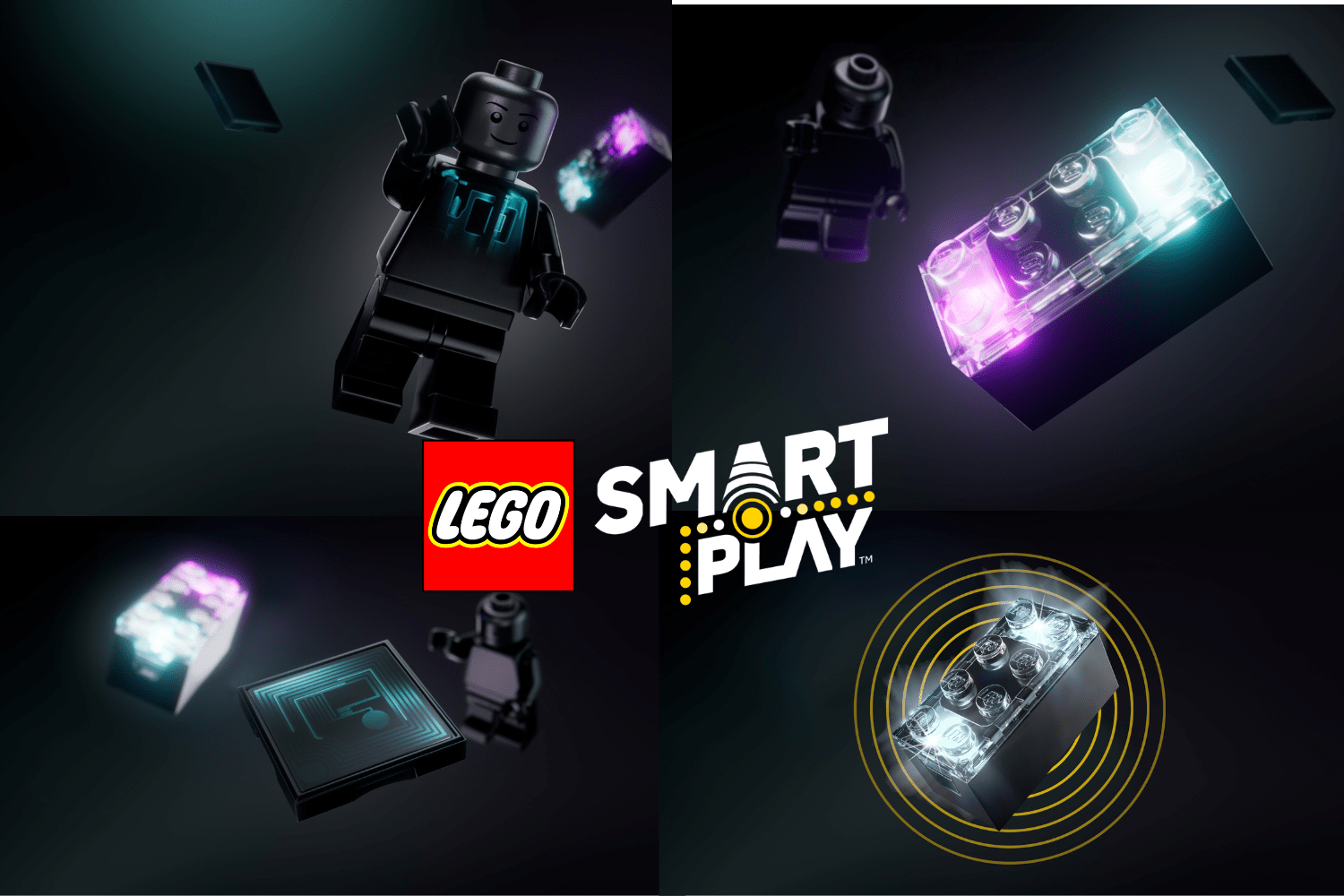
At CES 2026, Lego unveiled its Smart Play System, introducing Smart Bricks that respond to movement, light, and sound, blending digital technology with traditional building fun.
How Does Smart Play Work?
The system activates through simple physical actions, where Smart Bricks detect orientation changes, collisions, or nearby elements and trigger corresponding effects like flashing lights or themed audio cues. For instance, a helicopter build might glow red and play crash sounds upon impact, while Smart Tags add context-specific reactions to expand storytelling possibilities. Andrew Manches, a professor specializing in children and technology at the University of Edinburgh, praised the seamless fusion of digital and physical elements as an impressive advancement, though he stressed that true play thrives on unrestricted imagination rather than scripted responses.
When Will Lego Smart Bricks Be Available?
Consumers can expect the initial rollout on March 1, 2026, kicking off with exclusive Star Wars-themed sets that incorporate the new technology for immersive galactic adventures. Pre-orders open on January 9, 2026, through Lego's official website, physical stores, and partnered retailers, with plans for broader theme expansions later in the year to reach global markets. This timing aligns with Lego's strategy to build excitement post-CES, ensuring families worldwide get hands-on access shortly after the buzz from Las Vegas settles.
How Much Will Smart Bricks Cost?
While exact figures for standalone components remain under wraps, the debut Star Wars sets provide a clear indicator of the premium pricing tied to their tech features, starting at $69.99 for Darth Vader's TIE Fighter and scaling up to $159.99 for the Throne Room Duel & A-Wing kit. Analysts anticipate that basic starter packs could fall between $60 and $100, with elaborate themed collections pushing toward $150 or higher, reflecting the added value of interactive electronics over traditional bricks.
Why Experts Are Concerned
Despite the enthusiasm, voices in child advocacy highlight potential downsides, suggesting that embedding predefined reactions might limit the open-ended magic that defines classic Lego play. Josh Golin, from the children's wellbeing organization Fairplay, pointed out that kids already animate their creations vividly through sheer imagination, without needing electronic prompts to spark joy. Similarly, Professor Manches raised flags about data privacy in connected toys, urging parents to consider how these innovations could inadvertently introduce security vulnerabilities into everyday family activities.

A black Lego Smart Brick up close, part of the Smart Play System, designed to react with sound, light, and movement to enhance interactive building experiences.
Why Lego Is Going Digital
This shift represents a calculated evolution for the brand, building on a decade of digital integrations that have proven successful in captivating modern audiences. From augmented reality apps launched in 2017 to partnerships with Nintendo and Epic Games for video game-inspired builds, Lego has steadily expanded its tech footprint, including the 2020 Super Mario sets with interactive screens. CEO Niels B Christiansen has emphasized digital growth as a core pillar, while chief product and marketing officer Julia Goldin told reporters that these tools enhance physical play, creating hybrid experiences that keep the brand relevant amid changing childhood landscapes.
What This Means for Children and Parents
For families, Smart Bricks offer an enticing gateway to STEM skills through hands-on tech exploration, potentially fostering deeper interest in engineering and creativity in a screen-free format. However, they also prompt thoughtful discussions about balancing innovation with unguided play, ensuring kids don't rely solely on programmed feedback for fun. Parents might find value in monitoring usage to preserve imaginative independence, while appreciating how these bricks bridge generational gaps in toy preferences.
Your Burning Questions About Lego Smart Bricks
Are Lego Smart Bricks Compatible with Existing Lego Sets?
Absolutely, the Smart Play system integrates seamlessly with the classic Lego System-in-Play, meaning families can mix Smart Bricks, Minifigures, and Tags into their current collections without any compatibility issues. This design choice allows builders to upgrade favorite builds gradually, adding interactive elements like sound effects to older Star Wars or city-themed sets, which extends the lifespan of existing toys and reduces the need for complete overhauls. Enthusiasts have already shared online how this backward compatibility opens up endless customization options, blending nostalgia with new tech for more versatile play sessions that appeal to both kids and adult collectors.
What Age Group Is Lego Smart Bricks Designed For?
The recommended ages vary by set to match complexity and small parts, with entry-level options like Luke's Red Five X-Wing starting at 6 years old, while more intricate builds such as the Throne Room Duel suit kids 9 and up. Lego tailored these ranges based on developmental stages, ensuring younger children enjoy simple motion-triggered fun without frustration, whereas older ones tackle advanced interactions that encourage problem-solving. This approach helps parents select appropriately, promoting safe, age-aligned experiences that grow with the child and align with global safety standards for electronic toys.
How Does Lego Address Privacy and Security with Smart Bricks?
Lego prioritizes child safety by designing the Smart Bricks without internet connectivity, relying instead on a closed wireless system called BrickNet that uses enhanced encryption to protect interactions between components. The company adheres to rigorous global standards for toy security, conducting extensive testing to prevent data vulnerabilities and ensure no personal information gets collected or transmitted during play. While experts continue to advocate for vigilance in smart toys, Lego's screen-free, offline approach minimizes risks compared to app-based alternatives, giving parents peace of mind as they introduce tech-enhanced building to their households.
Bottom Line
Lego Smart Bricks usher in an electrifying fusion of tradition and technology, poised to redefine play for a new generation with their responsive features unveiled fresh from CES 2026. As the March launch approaches, the debate simmers on whether this innovation elevates creativity or subtly shifts it toward guided experiences, but one thing feels certain, builders young and old will soon discover if these smart additions capture the enduring spark of Lego magic.