
Oracle's stock took a sharp hit, dropping more than 11% in after-hours trading on Wednesday, as the tech powerhouse revealed a quarterly revenue figure that fell just short of Wall Street's high hopes. The company posted $16.06 billion in revenue for the period ending November 30, edging below the anticipated $16.21 billion, even as its AI-fueled cloud infrastructure business rocketed ahead with a 68% surge to $4.1 billion. This unexpected stumble has Wall Street buzzing, stirring up fresh worries about whether the red-hot AI sector might be cooling faster than expected, especially after Oracle's shares had climbed 34% this year amid relentless demand for cutting-edge tech.
Investors watched in disbelief as the numbers rolled in, a stark reminder that in this era of sky-high expectations, perfection is the only acceptable outcome. Oracle's cloud revenue overall climbed to $7.98 billion, topping estimates by a slim margin, but the overall miss amplified concerns over the company's aggressive spending on data centers and AI hardware. Yet beneath the headlines, a massive backlog of future deals signals that Oracle's bet on artificial intelligence could still pay off handsomely, with remaining performance obligations ballooning 438% to $523 billion, fueled by blockbuster contracts from heavyweights like Meta and Nvidia.
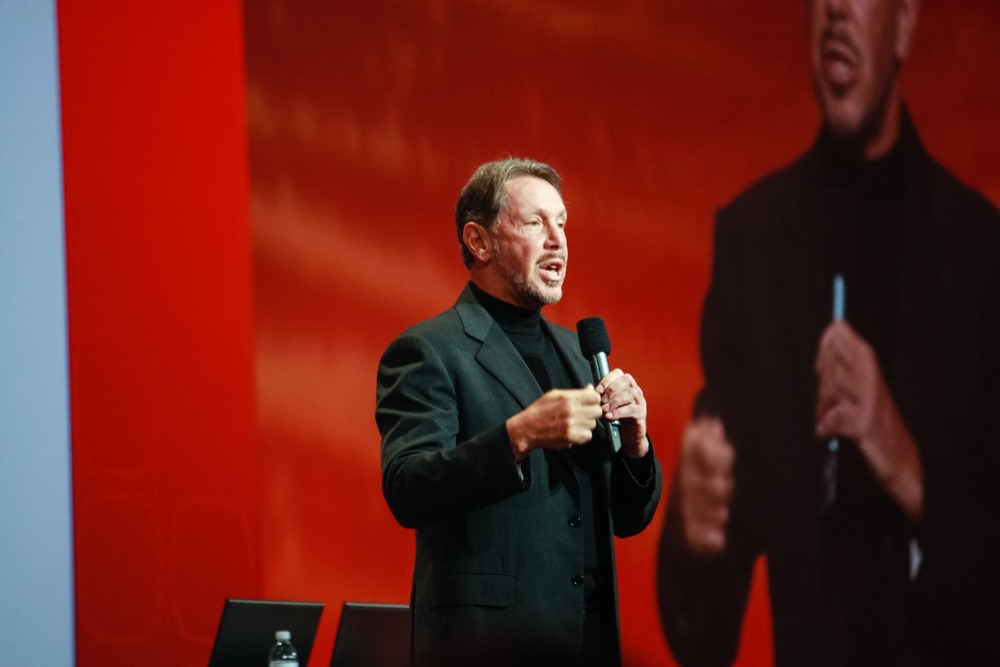
Oracle chairman Larry Ellison addresses the crowd, emphasizing the company’s AI expansion and “chip neutrality” strategy amid market scrutiny and soaring investor expectations.
The AI Engine Driving Oracle's Meteoric Rise
At the heart of Oracle's story lies its Oracle Cloud Infrastructure, or OCI, which has transformed from a steady performer into an AI powerhouse practically overnight. This division now underpins groundbreaking work for clients ranging from OpenAI, locked into a staggering five-year commitment exceeding $300 billion for OCI services, to enterprise giants like Airbus and Deutsche Bank building next-gen applications on its robust platform. The recent earnings call highlighted how OCI's scalability supports everything from advanced language models to real-time data analytics, positioning Oracle as a quiet but formidable rival to hyperscalers like Amazon Web Services and Microsoft Azure.
What makes this growth feel so electric is the sheer velocity of adoption, with analysts pointing to Oracle's knack for securing multi-year pacts that lock in revenue for years to come. Partnerships with Nvidia for GPU acceleration and Meta for custom AI workloads have not only boosted the top line but also showcased Oracle's ability to weave itself into the fabric of the AI revolution. Still, as one seasoned observer put it, this rapid expansion carries an undercurrent of thrill mixed with trepidation, knowing that the tech landscape shifts beneath your feet if you're not careful.
Wall Street's Rollercoaster Response to the Earnings Miss
The market's knee-jerk reaction painted a picture of frayed nerves, with Oracle's shares now down 32% from their September peak, erasing billions in market value in a flash. Traders piled into sell orders, dragging down related AI plays like Nvidia, which dipped about 1% in sympathy, as questions swirled about whether Oracle's lofty AI promises could deliver without hiccups. For everyday investors glued to their screens, this drop feels like a gut punch, especially after months of hype around AI's transformative power.
But not everyone is hitting the panic button. Daniel Newman, CEO of research firm Futurum, struck an upbeat chord amid the chaos, declaring, "I'm not that concerned about Oracle and I'm also not concerned about the trade at large. I do think the demand will continue to be filled... Oracle is probably a little bit oversold. I think there's a bit of an underappreciation for the overall asset that is Oracle... I am an AI bull and I do believe the demand is real." His words carry a spark of defiance, reminding us that short-term stumbles often mask longer-term wins in tech's wild ride, and they echo the sentiment of many who see Oracle's fundamentals shining through the noise.
Guidance for the next quarter added fuel to the debate, with Oracle forecasting adjusted earnings per share between $1.70 and $1.74, alongside revenue growth of 19% to 21%, which some view as conservative given the AI tailwinds. Capital expenditures are set to hit $50 billion this fiscal year, up sharply from prior plans, underscoring the company's all-in commitment to scaling infrastructure at breakneck speed.
Navigating Debt and the High-Stakes AI Bet
Oracle's push into AI isn't cheap, and the numbers tell a story of bold ambition laced with real risks that keep finance watchers up at night. The firm recently tapped debt markets for billions to bankroll sprawling data center builds, contributing to a negative free cash flow projection of $10 billion for the year, far wider than the $5.2 billion analysts had penciled in. This aggressive posture positions Oracle to capture more of the exploding cloud market, but it also exposes the company to interest rate swings and potential slowdowns if AI enthusiasm wanes.
Oracle Chairman and CTO Larry Ellison addressed these tensions head-on during the earnings discussion, stressing a "chip neutrality" approach that lets the company source processors from Nvidia and beyond to sidestep supply crunches. "There are going to be a lot of changes in AI technology over the next few years, and we must remain agile," he stated, a line that resonates with the pragmatic optimism many investors crave in uncertain times. It's this blend of vision and caution that makes Oracle's journey so compelling, turning what could be dry financials into a narrative of calculated gambles paying dividends.
The Ellison Empire Expands: From Code to Hollywood
Beyond the boardrooms of Redwood Shores, the Ellison family's influence stretches into unexpected realms, blending tech prowess with entertainment empire-building in ways that captivate outsiders. David Ellison, son of Oracle's iconic leader Larry, has been making waves through his Skydance Media, which sealed a merger with Paramount Global earlier this year and just launched an all-cash tender offer to acquire Warner Bros. Discovery at $30 per share. These moves, announced mere days ago, signal a strategic pivot toward controlling swaths of the media landscape, potentially synergizing with Oracle's AI tools for content creation and distribution.
For observers, this diversification adds layers of intrigue to the Oracle saga, showing how one family's tech roots can branch into storytelling's heart. It humanizes the headlines, reminding us that behind the algorithms and earnings beats are people chasing dreams across industries, all while navigating the same market tempests we do.
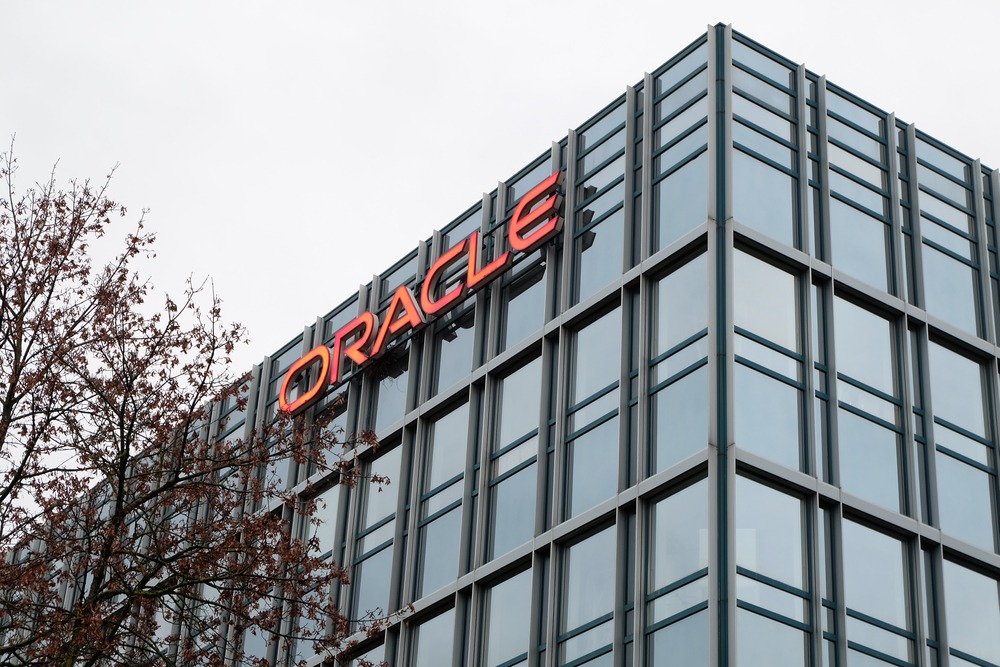
Oracle’s headquarters, the hub of its global AI and cloud operations, where strategic decisions shaping the $300 billion OpenAI deal and future innovations are made.
Key Takeaways for Savvy Investors Watching Oracle
As the dust settles on this earnings whirlwind, Oracle stands at a crossroads where AI's promise clashes with the market's unforgiving gaze. The revenue shortfall may sting today, but the exploding backlog and client wins paint a brighter tomorrow for those with patience. Investors would do well to weigh the thrill of 68% OCI growth against the drag of rising debt, keeping an eye on how Oracle converts those $523 billion in obligations into steady cash flow.
In this volatile tech arena, Oracle's tale underscores a timeless lesson: true leaders don't just ride waves, they shape them. With shares still up 34% year-to-date despite the tumble, the company remains a cornerstone for anyone betting on AI's unstoppable march forward. Stay tuned, because in tech, today's plunge is often tomorrow's launchpad.
What Readers Really Want to Know About Oracle's Wild Ride
Why Did Oracle's Stock Drop So Sharply After the Latest Earnings Report?
Oracle's shares plunged over 11% in after-hours trading primarily because total revenue came in at $16.06 billion, missing the Wall Street consensus of $16.21 billion by a frustratingly narrow margin, even though adjusted earnings per share soared to $2.26 against expectations of $1.64. This miss, combined with warnings of higher capital spending at $50 billion and negative free cash flow around $10 billion, spooked investors already jittery about the sustainability of massive AI infrastructure investments.
Despite impressive cloud infrastructure growth of 68% to $4.1 billion and a remaining performance obligations backlog exploding to $523 billion, the market fixated on near-term risks like debt levels and execution hurdles in scaling data centers globally. For retail investors, this reaction highlights how AI hype can amplify even minor shortfalls, turning optimism into overnight anxiety, but it also creates potential buying opportunities for those who trust the long-term demand trajectory.
How Is Oracle's AI Business Performing Compared to Rivals Like AWS and Azure?
Oracle's AI-centric cloud infrastructure, OCI, is outpacing many peers in growth velocity, with revenue jumping 68% year-over-year to $4.1 billion in the recent quarter, driven by landmark deals like the multi-hundred-billion-dollar pact with OpenAI and expansions with Meta and Nvidia. While Amazon's AWS and Microsoft's Azure dominate overall market share, Oracle's focus on high-performance computing for generative AI models has carved out a niche, evidenced by its total cloud revenue of $7.98 billion that edged past estimates.
The company's remaining performance obligations, a key indicator of future revenue, skyrocketed 438% to $523 billion, far exceeding projections and signaling locked-in commitments that could fuel double-digit growth for years. This positions Oracle as an agile challenger, leveraging partnerships for specialized AI workloads, though it trails in sheer scale; for consumers eyeing investments, OCI's momentum suggests Oracle could close the gap faster than skeptics admit, blending enterprise reliability with cutting-edge innovation.
What Risks Should Investors Consider in Oracle's Aggressive AI Expansion?
Key risks in Oracle's AI push revolve around ballooning capital expenditures projected at $50 billion this year, which could strain finances if AI adoption slows or economic headwinds intensify, leading to higher debt and persistent negative free cash flow estimated at $10 billion. Supply chain vulnerabilities in sourcing AI chips, despite a "chip neutrality" strategy spanning Nvidia and other vendors, add another layer of uncertainty in a market prone to shortages. Overreliance on a handful of marquee clients like OpenAI, while lucrative with commitments over $300 billion, exposes Oracle to sector-specific downturns if regulatory scrutiny or competition erodes those relationships.
Broader concerns include the AI bubble narrative, where hype could deflate valuations across tech, but Oracle's diversified software base and enterprise focus provide buffers. For everyday investors, these factors demand a balanced view, weighing explosive backlog growth against execution demands, yet the underlying demand for cloud AI tools remains robust, offering resilience amid the turbulence.