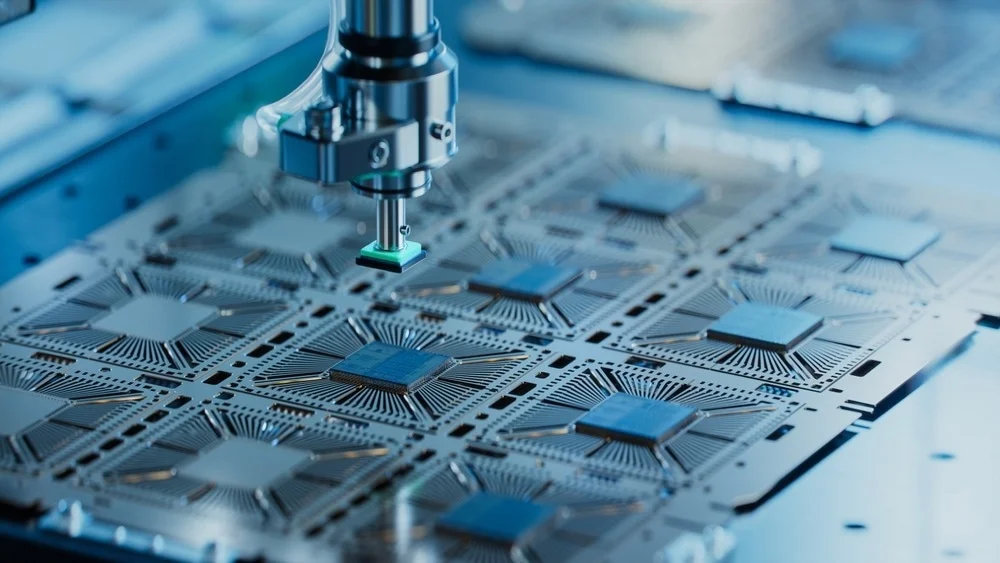
As 2026 kicks off, shoppers eyeing new laptops, smartphones, or smart TVs face unwelcome news about rising costs for key components like RAM, which have already doubled in price since late 2025 and show no signs of easing up.
This surge stems from massive demand in AI-powered data centers, creating a supply crunch that ripples through the entire tech industry and leaves consumers bracing for higher bills on everyday devices.
Why RAM Costs Are Soaring
RAM serves as the short-term memory in nearly every gadget, handling tasks from running apps on your phone to processing videos on your TV, and without it, devices simply cannot keep up with modern demands.
Experts point to AI as the primary culprit behind the price hikes, with data centers requiring vast amounts of high-bandwidth memory that outstrips current production capabilities, leading to widespread shortages.
Chris Miller, author of Chip War, highlights how the need for specialized memory in AI systems has triggered a broad increase in prices, affecting various types of chips used in consumer products.
Meanwhile, Avril Wu from TrendForce notes that manufacturers now pay 50 percent more for common DRAM this quarter alone, with expectations of another 40 percent jump soon, and no relief in sight throughout 2026.
Cloud giants like Amazon and Google have locked in their memory requirements for the coming years, but suppliers struggle to meet them, prompting some to halt price quotes in anticipation of further rises.
Recent reports from NPR and Business Insider underscore this trend, revealing how AI's insatiable appetite for chips has shifted priorities away from consumer markets, exacerbating the imbalance.
Nvidia’s branding illuminated on a mobile device, reflecting the company’s growing influence across global AI and semiconductor markets.
How This Will Affect Your Devices
The fallout extends to a wide array of electronics, where even small cost increases in components can translate into noticeable bumps at checkout for buyers seeking reliable performance.
Laptops with 16GB of RAM might see production costs climb by $40–$50 (£30–£37), a hike that manufacturers will likely pass directly to you, making upgrades feel more painful.
Smartphones face similar pressures, with build costs potentially rising by $30, which could push retail prices higher and force tough choices on features or affordability.
Gaming consoles, tablets, and smart TVs that depend on ample memory stand to absorb these increases too, as the industry grapples with limited supplies amid booming AI needs.
Danny Williams from PCSpecialist warns that these elevated costs will persist well into the year, leaving consumers to either splurge on premium specs or settle for less capable options.
Insights from IDC, as reported in recent analyses, predict market contractions for smartphones and PCs if shortages worsen, potentially leading to fewer models or delayed releases.
The Impact on Manufacturers
For companies building these devices, the sharp rise in RAM expenses erodes already thin margins, compelling them to rethink strategies around pricing, inventory, and product lines.
In PCs, memory now makes up 30–40 percent of total costs, up from the typical 15–20 percent, leaving little room to swallow the increases without adjusting retail tags.
Some suppliers, such as Micron, have pivoted entirely toward AI-focused production, pulling back from consumer segments and tightening availability for everyday tech builders.
Steve Mason at CyberPowerPC observes that while this shift might free up capacity elsewhere, it also reduces competition, which could limit options and drive prices even higher.
Framework's recent DDR5 price adjustments, as covered in Mashable, illustrate how even niche brands feel the pinch from the AI-driven memory boom.
Overall, the industry anticipates ongoing challenges through 2027, with global supply growth lagging behind historical norms, according to Business Insider's coverage of the crisis.

The soaring demand for AI chips is driving up prices for memory and electronics, potentially affecting everything from smartphones to PCs in 2026.
What This Means for the Average Consumer
Tech enthusiasts and casual users alike will notice the sting, as mid-range laptops or desktops could tack on an extra $50–$100 (£37–£75) to cover the inflated component bills.
High-end gaming rigs might jump by $200–$300 (£150–£225), reflecting their heavier reliance on top-tier memory that remains in short supply.
Even smartphones could add $30–$50 (£22–£37) to last year's prices, making it harder to justify frequent upgrades in a market already strained by economic pressures.
With AI adoption accelerating, savvy shoppers might extend the life of their current gear, opt for models with upgradeable RAM, or hunt for deals before stocks dwindle further.
Reports from Consumer Reports suggest acting soon, as 2026 promises widespread hikes across consumer electronics, from phones to consoles, due to the chip allocation favoring data centers.
It's a frustrating development for anyone who relies on tech daily, but understanding the dynamics can help in planning purchases more strategically amid the uncertainty.
Burning Questions on Tech Price Surges
Will laptop and smartphone prices keep climbing throughout 2026?
Absolutely, as memory shortages fueled by AI demands show no signs of abating, with analysts from TrendForce forecasting sustained increases that could contract the smartphone market by up to 5.2 percent and PCs by 8.9 percent, per IDC's latest projections. This means manufacturers, already facing 50 percent higher costs for DRAM, will continue passing expenses to buyers, potentially leading to fewer affordable options and encouraging a shift toward refurbished or older models to dodge the premiums.
Should you rush to buy devices now to beat the price hikes?
It could make sense, especially with experts like Avril Wu advising immediate purchases amid current stock levels, but keep in mind that fluctuating supplies might cause popular models to sell out fast, leaving you with limited choices. Recent announcements from brands like Dell and ASUS about impending increases highlight the urgency, yet weighing your needs against potential deals in early sales could save more in the long run, particularly if you're not desperate for the latest features.
How exactly is AI contributing to these RAM shortages?
AI systems in data centers demand enormous quantities of high-performance memory to handle complex computations, outpacing production and diverting supplies from consumer goods, as explained in NPR's recent coverage where Sanjay Mehrotra from Micron emphasized the industry's inability to catch up soon. This non-cyclical demand, unlike past tech cycles, stems from AI's need for persistent, high-bandwidth setups, resulting in premiums of two to three times for urgent orders and forcing chipmakers to prioritize lucrative AI contracts over everyday electronics.
Bottom Line
The 2026 memory crunch, amplified by AI's dominance, transforms a niche supply issue into a widespread consumer headache, urging careful consideration before splurging on new tech to minimize the financial hit.