
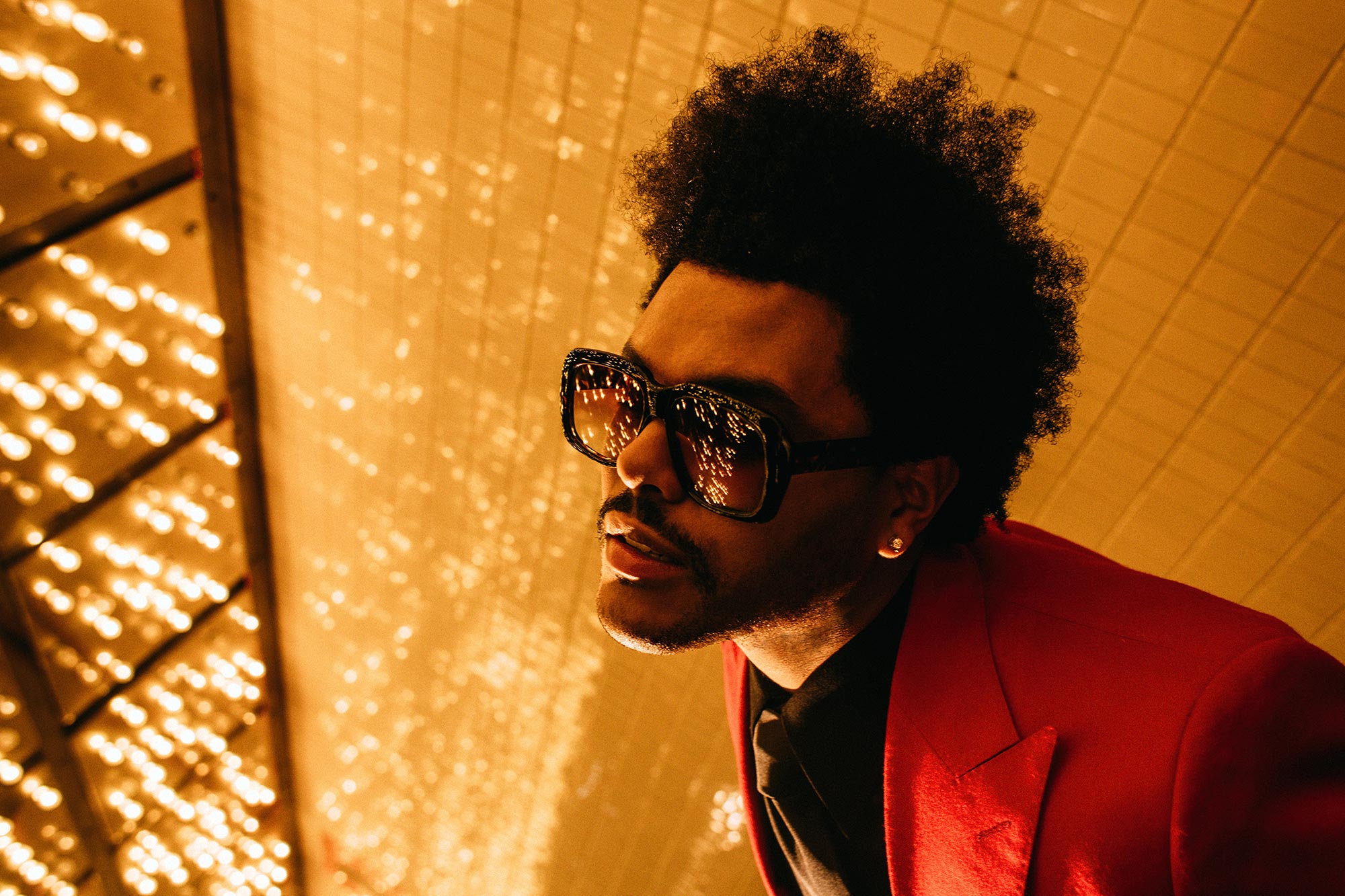
The Weeknd has just closed one of the most innovative deals in music history, partnering with Lyric Capital Group in a venture valued at around $1 billion. Unlike many peers who have sold their catalogs outright, the superstar, whose real name is Abel Tesfaye, retains full creative control and majority ownership of his music assets. This landmark agreement, confirmed in recent reports, covers his master recordings and publishing rights up through 2025, excluding any future releases, and marks a bold shift in how artists can monetize their work without giving up long-term rights.
The Usual Path: Why Stars Like Springsteen and Bieber Sold Out
For years, top artists have chosen to sell their music catalogs for massive upfront payouts, trading future earnings for immediate wealth. Bruce Springsteen pocketed around $600 million from Sony, while Bob Dylan secured close to $400 million in his deal. Sting walked away with roughly $300 million, and even younger star Justin Bieber sold his rights for about $200 million. These transactions made sense for legacy acts ready to cash in on decades of hits, but they meant permanently handing over control of streams, sync licenses, and radio play to buyers.
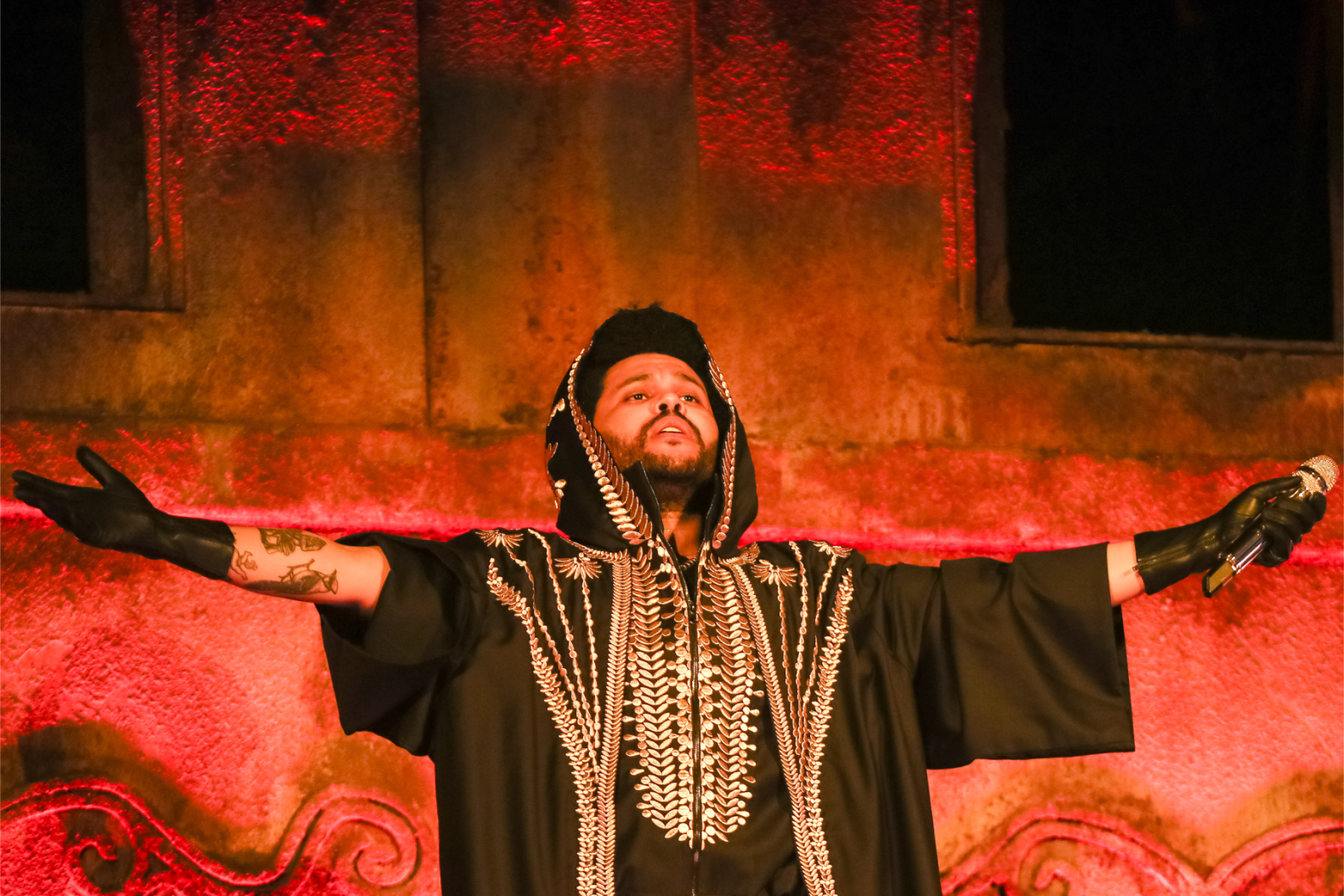
The Weeknd's journey from anonymous mixtapes to a $300 million empire has made him one of music's wealthiest stars
How The Weeknd Rewrote the Rules
The Weeknd took a different approach entirely, refusing to sell his catalog outright from the start of negotiations. Instead, he structured a joint venture with New York-based Lyric Capital, treating his music assets like valuable property used as collateral for financing. This setup allows him to access significant capital now, while his future royalties continue to flow and service the arrangement. Abel and his longtime manager, Wassim “Sal” Slaiby, maintain majority control, ensuring decisions about the music stay in their hands.
Breaking Down the $1 Billion Structure
Reports describe the deal as highly leveraged, with about 75% coming from debt financing and 25% as a minority equity stake held by Lyric Capital. The $1 billion figure reflects the overall valuation of the assets, not pure cash handed to the artist. Part of the funds reportedly refinanced existing advances tied to his label relationship with Universal Music Group through Republic Records. Royalties from ongoing streams, licensing, and plays will pay down the debt over time, leaving ownership intact as long as performance remains strong.
Which Rights Are Covered in the Deal
The partnership includes The Weeknd's co-owned master recordings with Slaiby and the majority of his publishing interests. He owns around 75% of his publishing through various arrangements, while the remaining portion, held by Chord Music Partners, stays outside this transaction. Hits like "Blinding Lights," "Starboy," and "Can't Feel My Face" generate the revenue pool that supports the financing, highlighting confidence in their enduring popularity amid booming global streaming.
The High Stakes and Smart Bets Involved
This level of leverage stands out as rare for a single artist's catalog, usually seen only in diversified portfolios. Lenders' willingness to commit reflects strong belief in sustained streaming growth and The Weeknd's superstar status. However, risks exist if revenues dip significantly, potentially giving investors more say. Still, the structure preserves upside potential for decades, positioning it as a calculated move for an artist still at his peak.
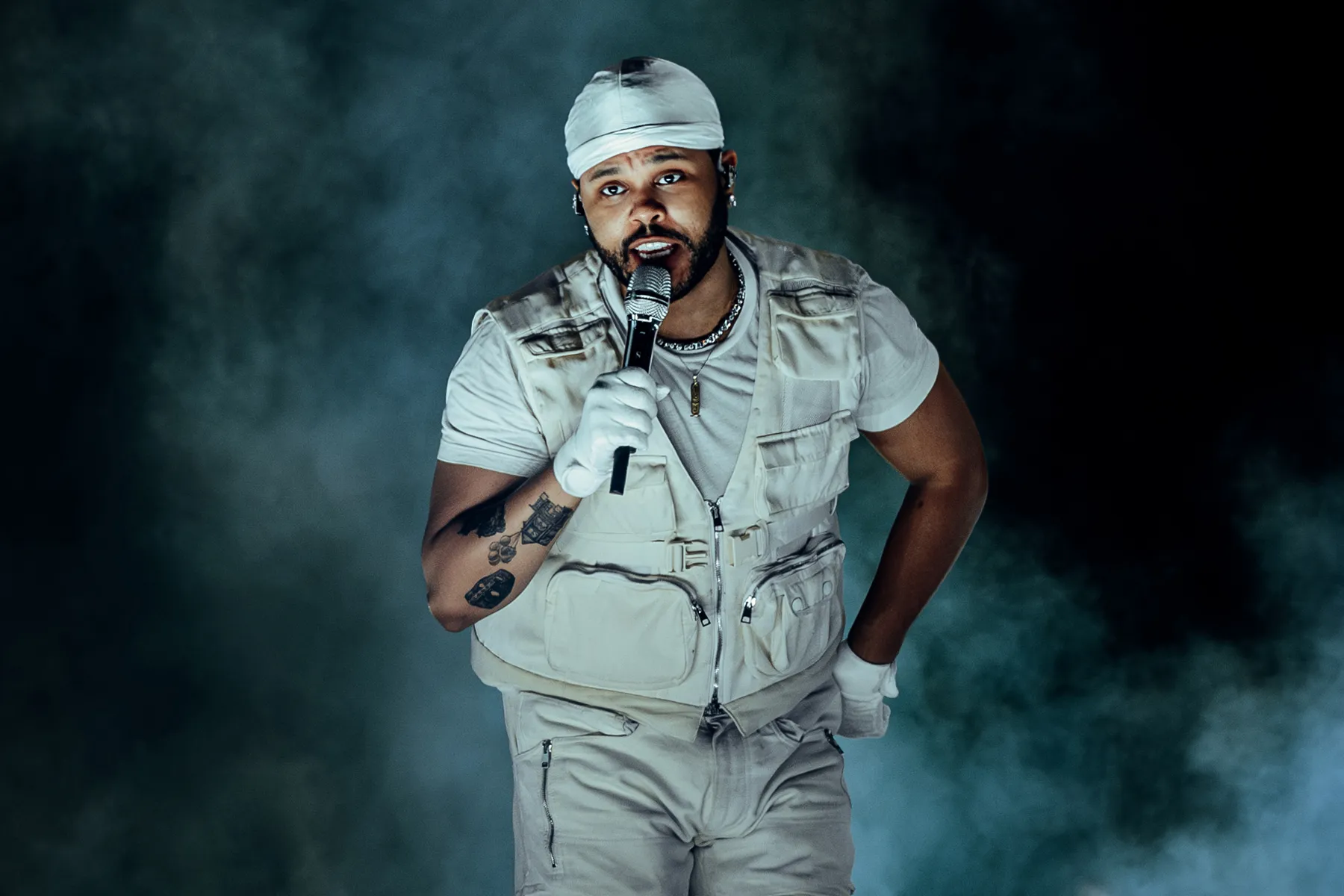
The Weeknd takes the stage dressed in all white, delivering a powerful live performance as his global hits continue to fuel one of the most valuable music catalogs in the world.
Echoing David Bowie's Visionary Playbook
Nearly three decades ago, David Bowie pioneered a similar concept with Bowie Bonds, raising $55 million against future royalties from his catalog. The royalties paid bondholders until maturity, then ownership reverted fully to him. The Weeknd's deal scales that idea massively for the streaming era, turning what was once innovative into a billion-dollar reality while joining elite company alongside Queen and Michael Jackson in catalog valuations.
Unpacking the Buzz: Top Questions on The Weeknd's Mega Deal
Did The Weeknd Sell His Entire Music Catalog?
No, this is not a traditional sale where ownership transfers permanently to buyers. The Weeknd formed a joint venture with Lyric Capital, keeping majority stakes and creative control himself. From early talks, he made clear he would not relinquish his rights outright, opting instead for a partnership that uses his assets as collateral while future works remain fully his to negotiate separately. This preserves his legacy in a way full sales do not.
How Much Cash Did The Weeknd Actually Receive Upfront?
The headline $1 billion represents the total asset valuation and financing package, not the full amount paid directly to him in cash. Industry estimates suggest the actual liquidity he gained is lower, after accounting for refinancing existing label advances and the equity portion. Exact figures remain private, but the structure prioritizes long-term ownership over maximum immediate payout, giving him substantial funds without losing control.
What Does This Mean for Other Artists Considering Catalog Deals?
This precedent opens new doors for active superstars who want capital without permanent sales. Younger artists may now explore similar financing models, borrowing against proven hits to fund projects or investments. It challenges the sell-out norm, potentially slowing full catalog sales and encouraging structures that let creators retain upside as streaming continues to grow worldwide.