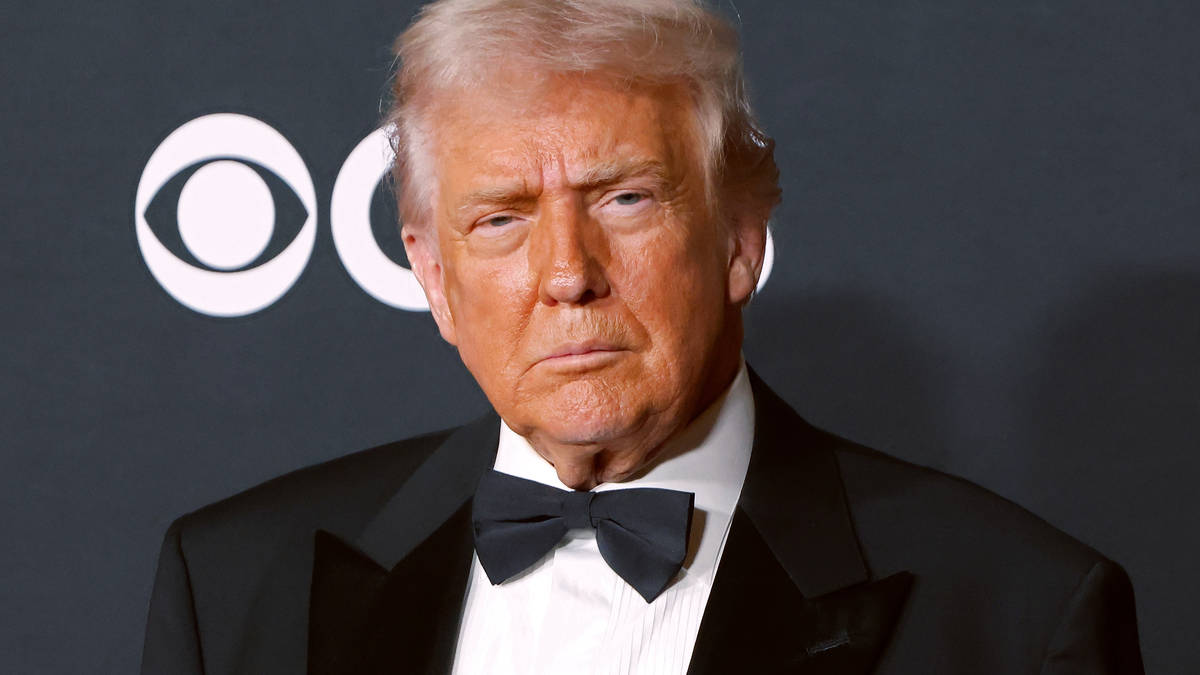
Donald Trump's bold military operation that led to the capture of Venezuelan President Nicolás Maduro has rattled leaders worldwide, prompting urgent discussions among diplomats and security experts about potential future U.S. actions. As the current U.S. president, Trump has made clear through recent statements that his administration views certain nations as threats to American interests, blending tough talk with strategic warnings that could alter global dynamics in unexpected ways.
His approach, rooted in a desire to curb drug trafficking, secure resources, and counter adversaries, keeps the international community on edge as events unfold rapidly in this new year.
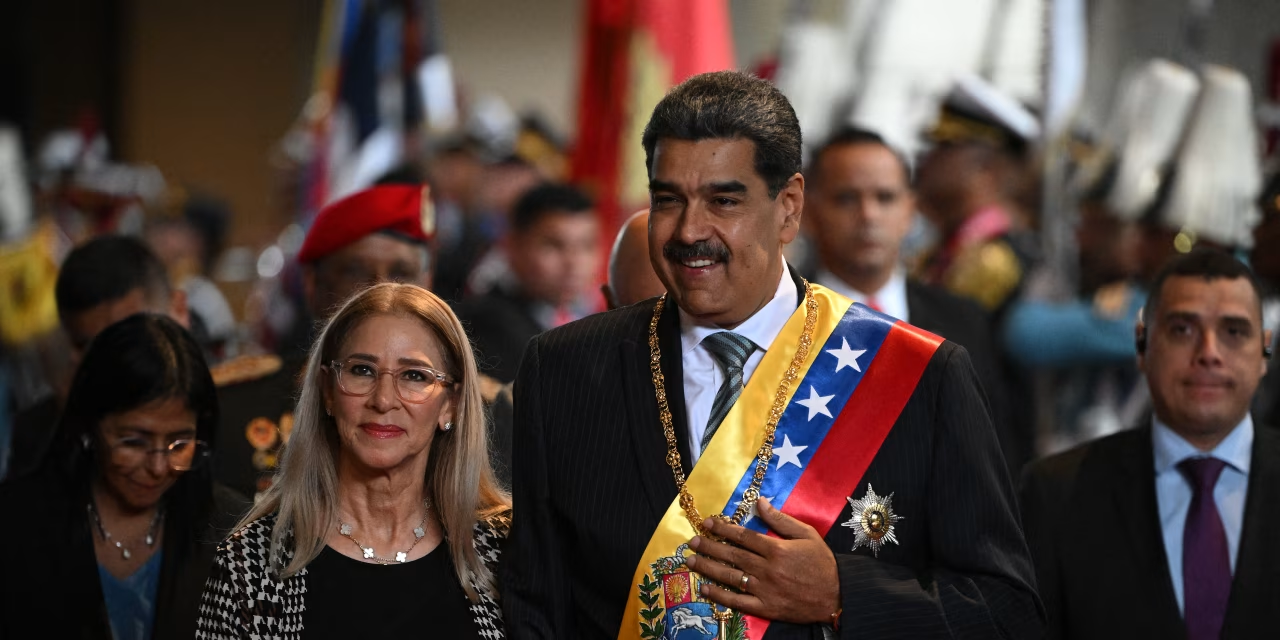
Cilia Flores and President Nicolás Maduro pose together on a red carpet, reflecting the couple’s prominence in Venezuelan political and social life.
Colombia: A Warning Next Door
Colombia stands out as a prime focus for Trump, given its central role in global cocaine production and its proximity to the United States, which heightens concerns over border security and narcotics flow. Trump recently labeled Colombian President Gustavo Petro as overseeing operations that flood American streets with drugs, stating bluntly that Petro "is not going to be doing it for very long."
Although Colombia shares a robust military alliance with the U.S., built over decades of joint anti-drug efforts, any direct involvement could strain this partnership and complicate logistics on the ground. Businesses in Bogotá and beyond now monitor Washington's signals closely, aware that economic ties and regional stability hang in the balance amid these escalating tensions.
Cuba: Vulnerability and Strategic Exposure
Cuba's close ties to Venezuela make it particularly exposed following the loss of subsidized oil shipments, a lifeline that has sustained its economy for years despite ongoing U.S. sanctions. Trump declared that Cuba "is ready to fall," pointing to the combined pressures from ended Venezuelan support and recent challenges like power outages and health crises that have gripped the island.
Accusations from U.S. officials, including claims of Cuban involvement in protecting Maduro, add to the scrutiny, with figures like Secretary of State Marco Rubio describing the regime as out of touch. This situation tests Havana's resilience, potentially opening doors to further diplomatic isolation or subtle influences that could reshape the Caribbean's political landscape in the months ahead.
Mexico: Tensions at the Southern Border
Mexico's ongoing struggles with drug cartels and border management have drawn sharp criticism from Trump, who insists that stronger measures are essential to stem the flow of illicit substances claiming thousands of American lives each year.
He urged President Claudia Sheinbaum to address these issues decisively, warning that Mexico "has to get their act together" or face increased U.S. pressure through tariffs or enhanced cooperation. While stopping short of explicit military threats, his comments highlight persistent frictions that could influence bilateral agreements on trade and security, prompting Mexican officials to reassess their strategies amid fears of economic repercussions and shifts in domestic policy.
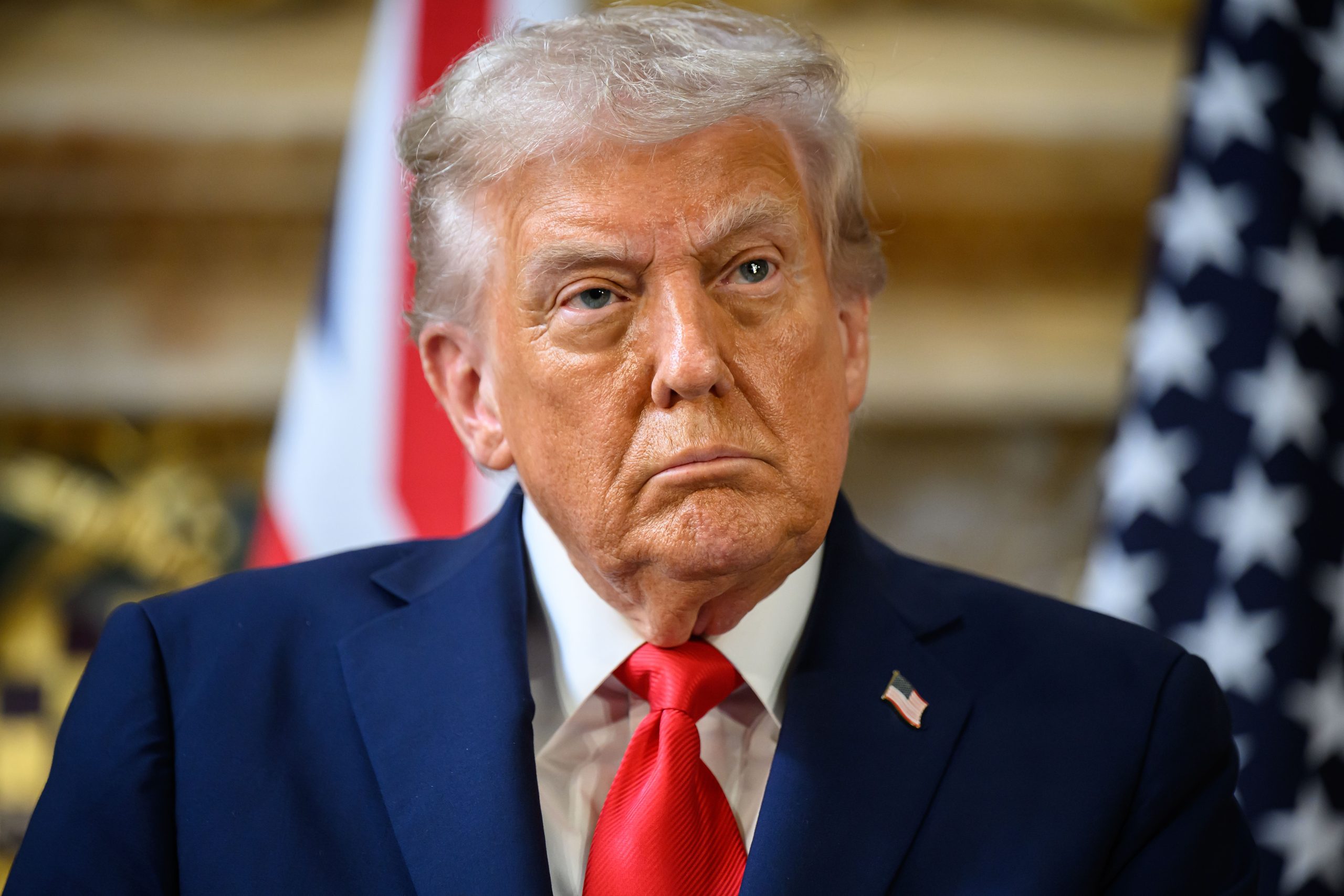
Donald Trump appears stern in the Oval Office.
Greenland: Strategic Interests in the Arctic
Greenland's vast expanse and critical position in the Arctic draw U.S. attention for its minerals and military value, areas where Trump has repeatedly expressed interest in expanding American influence to counter rivals like Russia and China.
He affirmed that the U.S. "needs Greenland absolutely" for national security reasons, dismissing Danish oversight and mocking recent security enhancements as inadequate. Denmark's leaders, including Prime Minister Mette Frederiksen, have firmly rejected any sale or annexation, emphasizing existing defense pacts that already grant U.S. access to bases on the island. These exchanges fuel unease in NATO circles, as they underscore potential rifts over territorial sovereignty in a region growing in geopolitical importance due to climate changes and resource competition.
Iran: Watching a Nation in Turmoil
Iran remains a flashpoint in the Middle East, with its nuclear ambitions and domestic unrest drawing Trump's warnings that the U.S. stands "locked and loaded" to support protesters or back Israeli actions if needed. He has made clear his opposition to any revival of Iran's nuclear program, stating he would "absolutely" endorse strikes to prevent weapon development following recent conflicts and enrichments. Supreme Leader Ali Khamenei vows resistance against external pressures, yet analysts note that such rhetoric from Washington could inspire internal dissent while risking broader escalations in an already volatile area marked by proxy wars and economic sanctions.
The Global Implications of Trump’s Next Moves
Trump's assertive foreign policy, exemplified by the Venezuela operation, signals a shift toward unilateral actions that could redefine alliances from Latin America to the Arctic and Middle East, with each targeted nation presenting distinct challenges in politics, geography, and international law. While this strategy aims to deter threats and protect U.S. interests, it carries risks of backlash from allies and adversaries alike, potentially leading to diplomatic isolations or unintended conflicts. As world leaders convene in forums like the UN Security Council to address these developments, citizens and markets worldwide remain vigilant, understanding that the ripple effects could influence everything from energy prices to global security frameworks in profound ways.
Emerging Questions on Trump's Global Strategy
What prompted the U.S. military action in Venezuela?
The operation stemmed from long-standing U.S. indictments against Maduro for drug trafficking and corruption, coupled with Trump's campaign promises to tackle narcotics at their source and restore democracy in the region. Intelligence reports highlighted Venezuela's role in facilitating cocaine shipments through alliances with cartels, prompting a swift raid that captured Maduro and his wife amid airstrikes on key targets. This move, executed without prior congressional approval, reflects Trump's emphasis on decisive executive action, drawing parallels to past interventions while aiming to disrupt supply chains fueling America's opioid crisis and stabilize oil markets.
How has the international community responded to Maduro's capture?
Reactions vary widely, with allies like Russia and China condemning the U.S. as violating sovereignty, while some Latin American nations express cautious support for potential democratic transitions in Venezuela. The UN Security Council held emergency sessions, where Colombia's foreign ministry decried interference, and European leaders urged restraint to avoid escalation. Overall, the event has polarized global opinion, boosting Trump's domestic approval among hardliners but straining relations with multilateral bodies and prompting calls for investigations into the legality of extraterritorial arrests.
What economic effects might follow if Trump targets these countries?
Potential interventions could spike commodity prices, particularly oil and minerals, disrupting supply chains from Venezuelan fields to Greenland's rare earths and affecting global markets already sensitive to geopolitical shifts. For instance, tariffs on Colombia or Mexico might raise consumer costs in the U.S. for goods like coffee and avocados, while pressure on Iran could tighten energy supplies worldwide. Businesses anticipate volatility in investments, with stock exchanges reacting to each statement, underscoring the need for diversified strategies to mitigate risks from heightened U.S. foreign engagements.