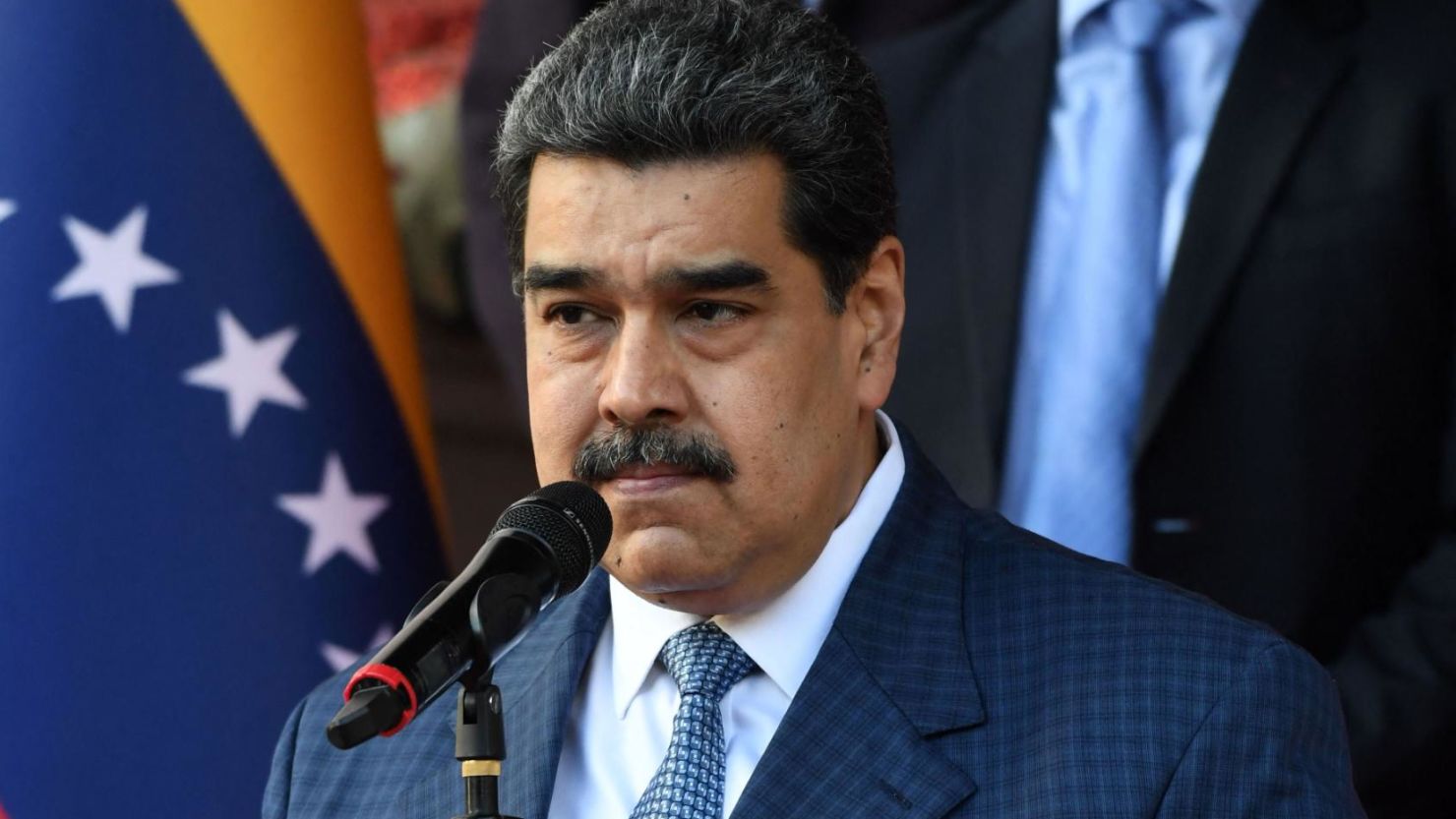
Venezuelan President Nicolás Maduro fired back at the United States this week, claiming that President Donald Trump's latest moves against his country boil down to one simple motive, the nation's vast oil reserves that sit untapped beneath its soil. The accusation landed just days after U.S. forces seized the Skipper oil tanker off Venezuela's coast, a dramatic raid that Maduro labeled outright piracy and a blatant grab for his country's resources. With fresh sanctions hitting Maduro's family members and six more oil-linked vessels on Thursday, the tension feels electric, pulling the world into a standoff that blends energy politics, drug wars, and raw power plays in America's backyard.
This isn't some dusty history lesson, it's unfolding right now, with Trump vowing to ramp up pressure on what he calls Maduro's narco-terrorist regime. As opposition leader María Corina Machado praised the actions as decisive steps toward change, experts warn that the real stakes go far beyond black gold, touching on everything from fentanyl floods into U.S. streets to Russian submarines lurking in Caribbean waters. For everyday folks watching gas prices and border headlines, it raises a sharp question about what's truly at risk in this high-seas drama.
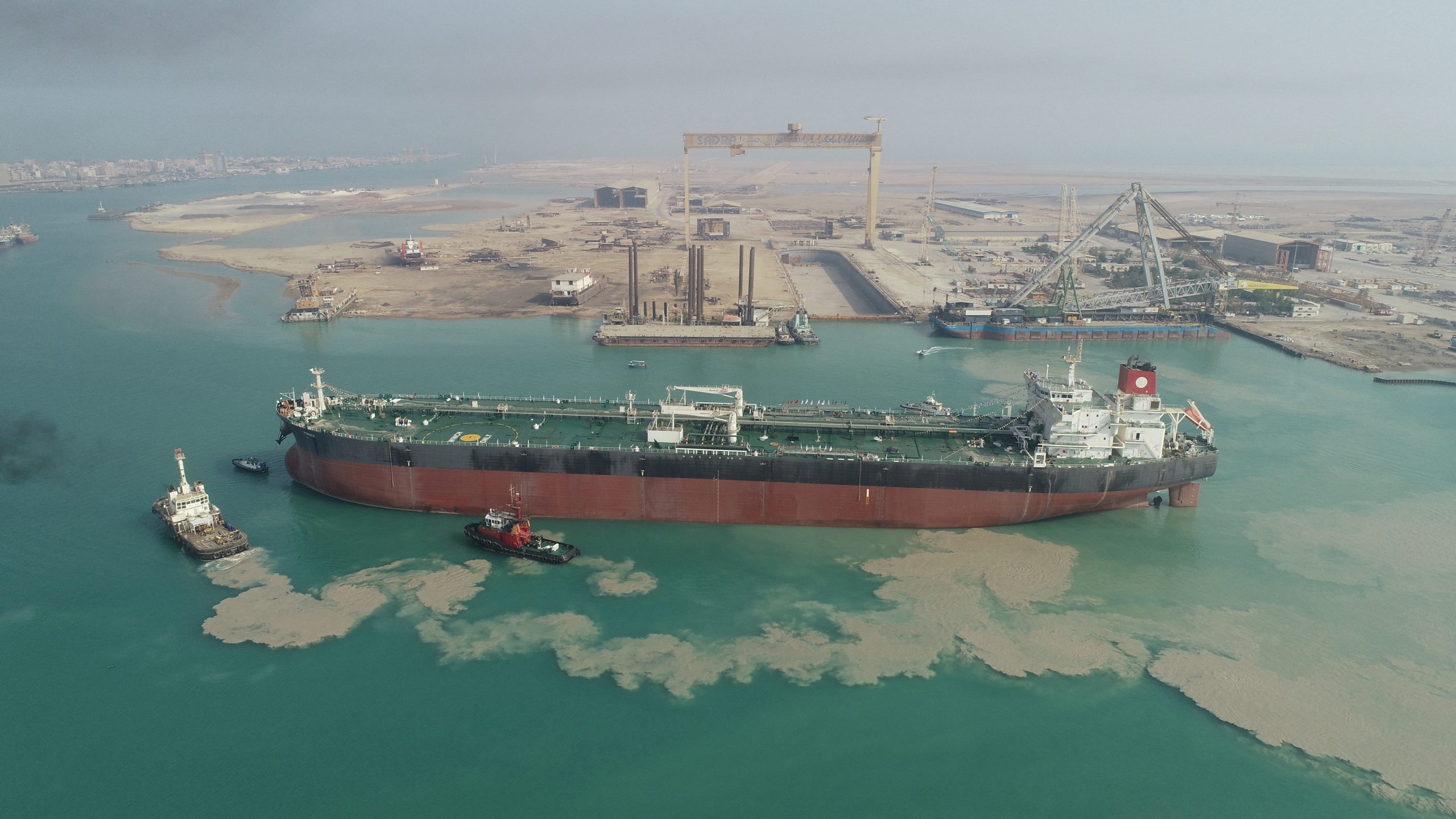
A vessel resembling the seized Skipper tanker, the focus of escalating tensions between the US and Venezuela.
Venezuela’s Oil: Monumental on Paper, Nearly Broken in Practice
Venezuela boasts 303 billion barrels of proven oil reserves, topping the charts ahead of Saudi Arabia and every other player on the global stage, a fact that's fueled its swagger for generations. Those numbers paint a picture of untapped riches that could reshape energy maps if ever fully unleashed, drawing eyes from Washington to Beijing with equal intensity. Yet beneath the headlines, the reality hits harder, production has plummeted to a mere 860,000 barrels per day from its peak of three million, according to the latest International Energy Agency figures that underscore a crisis years in the making.
Corruption scandals gutted PDVSA, the state oil giant, while purges chased away skilled engineers and sanctions scared off international partners who once poured billions into the fields. Infrastructure crumbled in the shadows, refineries sat idle, and pipelines leaked away potential fortunes, leaving a skeleton of what was once Latin America's powerhouse. Callum McPherson, an analyst at Investec, puts it bluntly, the core issue isn't the reserves themselves but the decayed web of pipes, rigs, and upgraders that make extraction a nightmare today. It's a heartbreaking fall for a nation that built its dreams on drill bits and derricks, now reduced to exporting frustration instead of fuel.
Is U.S. Policy Really About Oil? Some Say No—And Here’s Why
From the White House podium, officials paint a starkly different portrait, zeroing in on Maduro's alleged role in shipping narcotics and criminals northward, branding him a direct threat to American lives and neighborhoods. White House Press Secretary Karoline Leavitt doubled down this week, stressing that drug interdiction tops the agenda amid operations that have already sunk suspected trafficking boats in the Caribbean. Energy security specialist Clayton Siegle echoes that view, noting a lack of hard proof that oil drives the Trump team's playbook in this corner of the world.
America's past flirtations with foreign oil grabs feel distant now, especially with Venezuela's crude being the heavy, sour kind that demands pricey upgrades and specialized refineries to turn into usable gasoline. Global shifts add another layer, as electric vehicles and green policies nibble at demand for this exact type of barrel, making the prize feel more like a relic than a jackpot. Treasury Secretary Scott Bessent hammered home the point in announcing Thursday's sanctions, declaring that Maduro's cronies are poisoning U.S. streets with fentanyl while evading penalties meant to choke their cash flow. It's a narrative that resonates in swing states hit hard by opioids, turning abstract geopolitics into personal stakes for voters back home.
What the U.S. Does Want: Leverage, Stability, and a Post-Maduro Map
Peel back the layers, and Washington's playbook reveals three intertwined aims that stretch well past pump prices into the heart of hemispheric control. First comes the squeeze on Maduro himself, with Trump labeling him illegitimate since day one and using naval strikes to starve his regime of revenue streams that keep the lights on in Caracas. Those tanker seizures and family sanctions, like the ones slapping three nephews of Maduro's wife this week, aim to fracture loyalties and force a reckoning at the top.
Then there's the gritty fight against drug routes snaking through Venezuelan waters, which U.S. commanders say funnel tons of cocaine and fentanyl toward Florida's shores each year. Finally, and perhaps most crucially, looms the shadow of outsiders like Russia and China, who've sunk billions into Venezuelan debt swaps for oil access, positioning themselves as alternative powers in a region America long considered its own. Russian military advisors and Chinese loan sharks represent red lines for strategists who fear a fortified Caracas could host hostile fleets just hours from Miami. Oil factors in, sure, but as one piece in a broader bid to redraw alliances and keep the backyard from turning into a rival's playground.
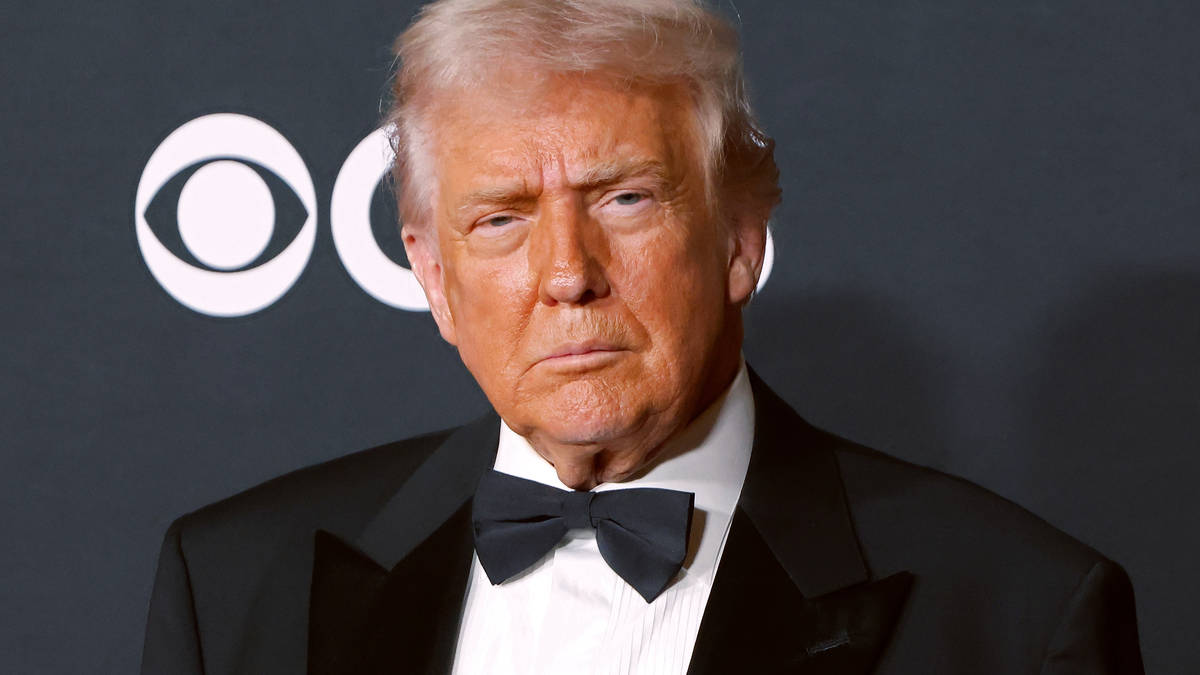
US President Donald Trump at a recent black tie event amidst the ongoing feud with Venezuela.
What About U.S. Companies? The Chevron Factor
While most Western oil majors bolted from Venezuela amid the sanction storm, Chevron hung on through a narrow license, churning out about 20 percent of the country's sputtering output and keeping a foothold in those lucrative fields. Their rigs hum quietly in the Orinoco Belt, processing the heavy sludge that U.S. Gulf refineries crave, a setup born from decades of tailoring plants to Venezuelan specs. When flows halted under tighter rules, those same facilities scrambled for pricier substitutes, hiking costs that trickled down to drivers everywhere.
Analysts see Chevron poised to surge if winds shift, perhaps scaling up dramatically in a post-Maduro era where stability unlocks fresh capital. Yet that bet carries weight, hinging on political thaw and legal clarity that remain as elusive as reliable blackouts in Caracas. It's a reminder that corporate interests often trail government agendas, providing quiet leverage without the flash of headlines.
Could the U.S. Actually Benefit From Venezuela’s Oil? Yes—but Not Without Huge Costs
Experts across the board nod to the upside, modest infusions of cash and know-how could lift output to two million barrels daily in just a couple of years, per Wood Mackenzie projections that tempt investors with quick wins. That boost would steady U.S. supplies of discounted heavy crude, easing strains on refiners who've adapted their empires around Venezuelan imports. Long term, though, the bill climbs steeply, demanding tens of billions in overhauls, cutting-edge tech, and patient rebuilding over a full decade to chase those glory days.
Global tides complicate the math further, with peak oil demand looming in the 2030s as renewables accelerate and consumers pivot away from fossil fuels altogether. David Oxley at Capital Economics captures the hesitation perfectly, any smart money today must weigh if the profitability window slams shut before the first profits flow. It's a gamble laced with promise, but one that demands nerves of steel amid the political quicksand.
So Is Trump After the Oil—or Is It Something Else Entirely?
Layer it all together, and the picture emerges messy yet mesmerizing, oil tempts U.S. refiners with its familiarity, while American firms salivate over revival prospects in a stabilized Venezuela. Vocal hawks in Congress do dream aloud of spearheading that rebirth, framing it as a win for energy independence and jobs back home. Yet the full strategy pulses with more urgency, weaving narcotics crackdowns, geopolitical fencing, and relentless isolation of Maduro into a tapestry far richer than resource raids alone.
Maduro's oil-grab charge packs punch for his base, rallying cries against Yankee imperialism that echo through Caracas streets. Internationally, though, the obsession tilts toward mastery of outcomes, dictating who harvests those buried treasures and how the Caribbean chessboard tilts next.
The Bottom Line: Venezuela’s Oil Is the Bait, Not the Prize
Maduro's bold claim lights up screens and stirs loyalists, but peel away the spin, and U.S. fixation burns hotter on leverage than liters, chasing a future where influence trumps extraction every time. Venezuela's reserves dazzle on spreadsheets, yet without peace, funding, and years of sweat, they stay locked in limbo, potential whispering from the earth. What Trump craves most, beyond barrels or bluster, is sway over that unlock, molding the region's tomorrow in Washington's enduring image. In this saga, oil serves as the spark, igniting a fire whose flames lick at borders, alliances, and the very pulse of power south of the Rio Grande.
Digging Deeper: What Readers Like You Are Asking
Why Did the U.S. Just Seize That Venezuelan Oil Tanker, and What's Next in the Standoff?
The seizure of the Skipper tanker on December 10 marked a bold escalation, with U.S. forces boarding the vessel off Venezuela's coast under a judicial warrant for carrying sanctioned crude tied to black-market deals with Iran. Officials say it held around 1.1 million barrels destined for illicit networks, underscoring Trump's vow to dismantle Maduro's revenue lifelines while curbing drug flows. Looking ahead, more naval patrols and targeted strikes loom, potentially drawing in regional allies like Colombia, though experts caution that outright invasion risks backlash from China and Russia, who view the moves as aggressive overreach in their spheres of influence.
How Are Russia and China Factoring Into This U.S.-Venezuela Clash Over Oil?
Russia has ramped up military ties with Maduro, supplying advisors and eyeing naval basing rights in the Caribbean that alarm Pentagon planners, while China holds billions in Venezuelan debt through oil-backed loans that secure discounted crude for its refineries. These partnerships fill voids left by Western pullouts, providing Maduro with lifelines against sanctions and positioning both powers as counterweights to American dominance. The U.S. sees this duo as enabling narcotics routes and eroding hemispheric stability, prompting sanctions that indirectly challenge Beijing's and Moscow's footholds, though neither shows signs of backing down amid the tanker drama.
Could Lifting Sanctions on Venezuela's Oil Boost U.S. Gas Prices, or Is It a Net Win?
Easing sanctions might flood U.S. markets with cheaper heavy Venezuelan crude, tailored perfectly for Gulf Coast plants and potentially shaving a few cents off pump prices in the short run by curbing reliance on costlier imports from elsewhere. However, true gains hinge on massive investments to revive fields, which could take years and billions, all while global demand softens under green transitions that question long-term viability. For consumers, it's a mixed bag, offering relief now but demanding patience for broader energy security, especially if political thaw prevents the chaos that spiked costs during past disruptions.