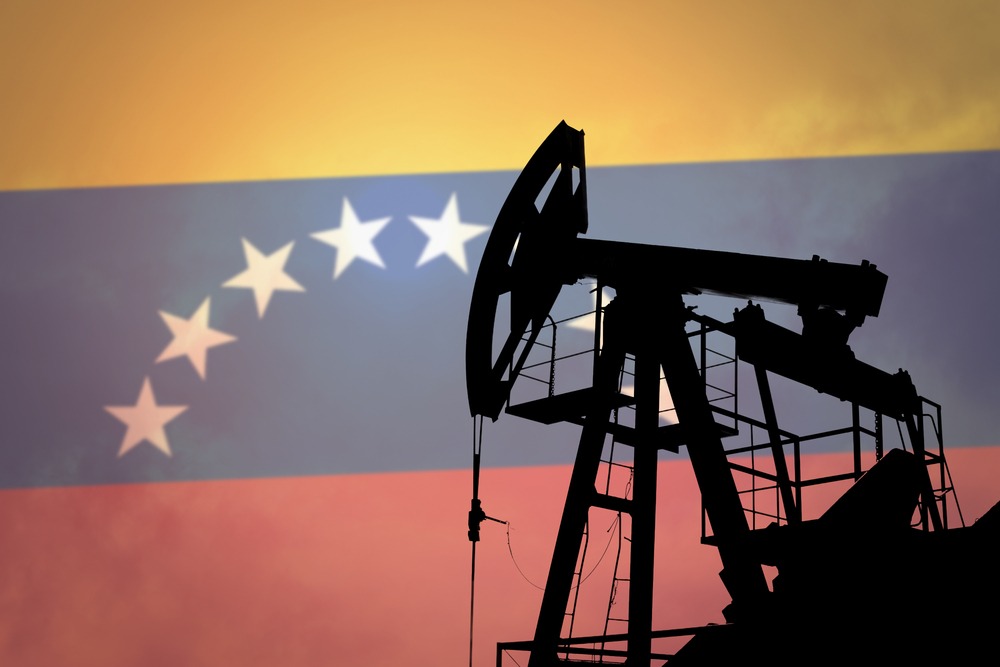
Fresh off the dramatic U.S. seizure of Nicolás Maduro over the weekend, President Donald Trump has declared America in charge of Venezuela, with big plans to revive its crumbling oil industry through American companies. This bold action, described by Trump as a large-scale strike, has sent shockwaves through global markets and politics, putting the spotlight back on Venezuela's massive underground wealth. With the world's largest proven oil reserves now potentially under U.S. influence, the question of their true value and accessibility has never felt more urgent.
How Much Oil Does Venezuela Really Have?
Venezuela boasts an astonishing 303 billion barrels of proven oil reserves, surpassing every other nation on the planet, according to the latest industry data. This figure edges out Saudi Arabia's 267 billion barrels and dwarfs Canada's 170 billion, making it a standout in global energy rankings. Much of this treasure lies in the Orinoco Belt, a sprawling area filled with extra-heavy crude that demands sophisticated extraction methods. Engineers have long marveled at the scale, yet the challenges of pulling it from the ground have kept much of it locked away until now.
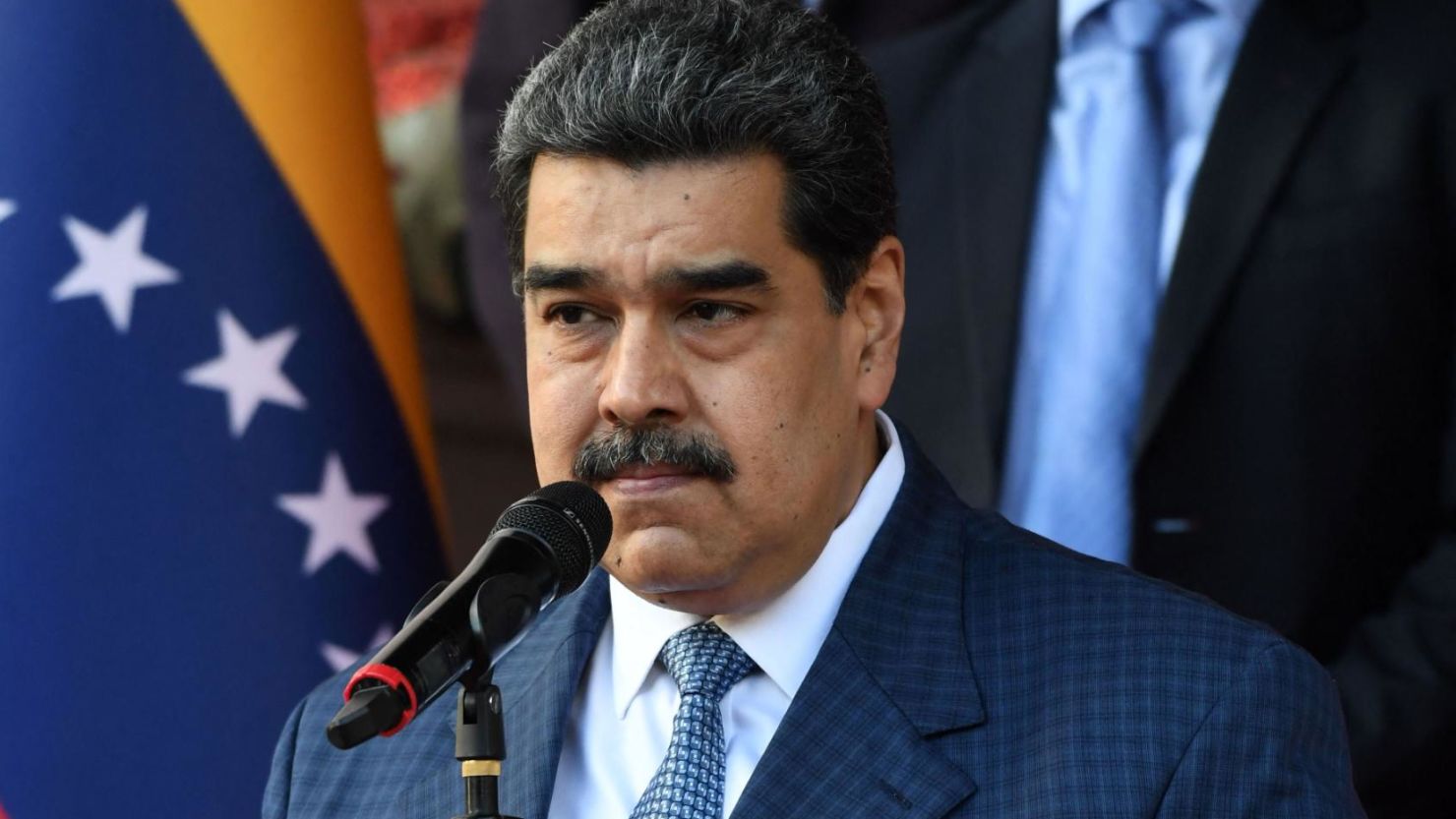
President Nicolás Maduro delivers a fiery speech condemning the US tanker seizure, calling it an act of “piracy” and rallying national support.
What Is Venezuela’s Oil Worth in Total?
Calculating the full worth of Venezuela's oil reveals numbers that stagger the imagination, especially amid today's market conditions. At the current crude oil price hovering around $57 per barrel, the gross value of those 303 billion barrels clocks in at over $17 trillion, before accounting for any operational hurdles. Factor in extraction expenses, refining complexities, and necessary infrastructure upgrades, and the net value still soars into the trillions over the long haul. Analysts describe this as one of the planet's most tantalizing untapped fortunes, a resource that could transform economies if handled right, though political turbulence has historically slashed its realizable worth.
Why Was Venezuela Producing So Little Oil Before the Seizure?
Prior to the weekend's events, Venezuela's oil output had plummeted to around 900,000 barrels per day, a far cry from its peak of over three million barrels daily back in the late 1990s. Years of mismanagement under Maduro and his predecessor Hugo Chávez drained expertise from the state-run PDVSA, as skilled workers fled amid tightening controls and neglected maintenance. Sanctions compounded the issues, blocking access to parts and funds, while aging pipelines corroded and refineries broke down repeatedly. This decline turned a potential powerhouse into a shadow of itself, leaving vast reserves idle despite their immense promise.
Trump’s Bold Move: Taking Control of Venezuela’s Oil
With Maduro now captured by U.S. forces, Trump has outlined a vision where major American oil companies step in to overhaul Venezuela's energy sector, investing billions to boost production. He envisions these firms spending up to $100 billion to repair infrastructure, a gamble that could yield huge returns if successful.
However, control remains indirect through contracts and partnerships, not outright ownership, as oil legally belongs to the Venezuelan state. Interim leader Delcy Rodríguez has signaled openness to cooperation, but global protests and legal questions cloud the path forward. Energy executives are staying quiet for now, weighing the massive opportunity against deep-seated risks like instability and past nationalizations.
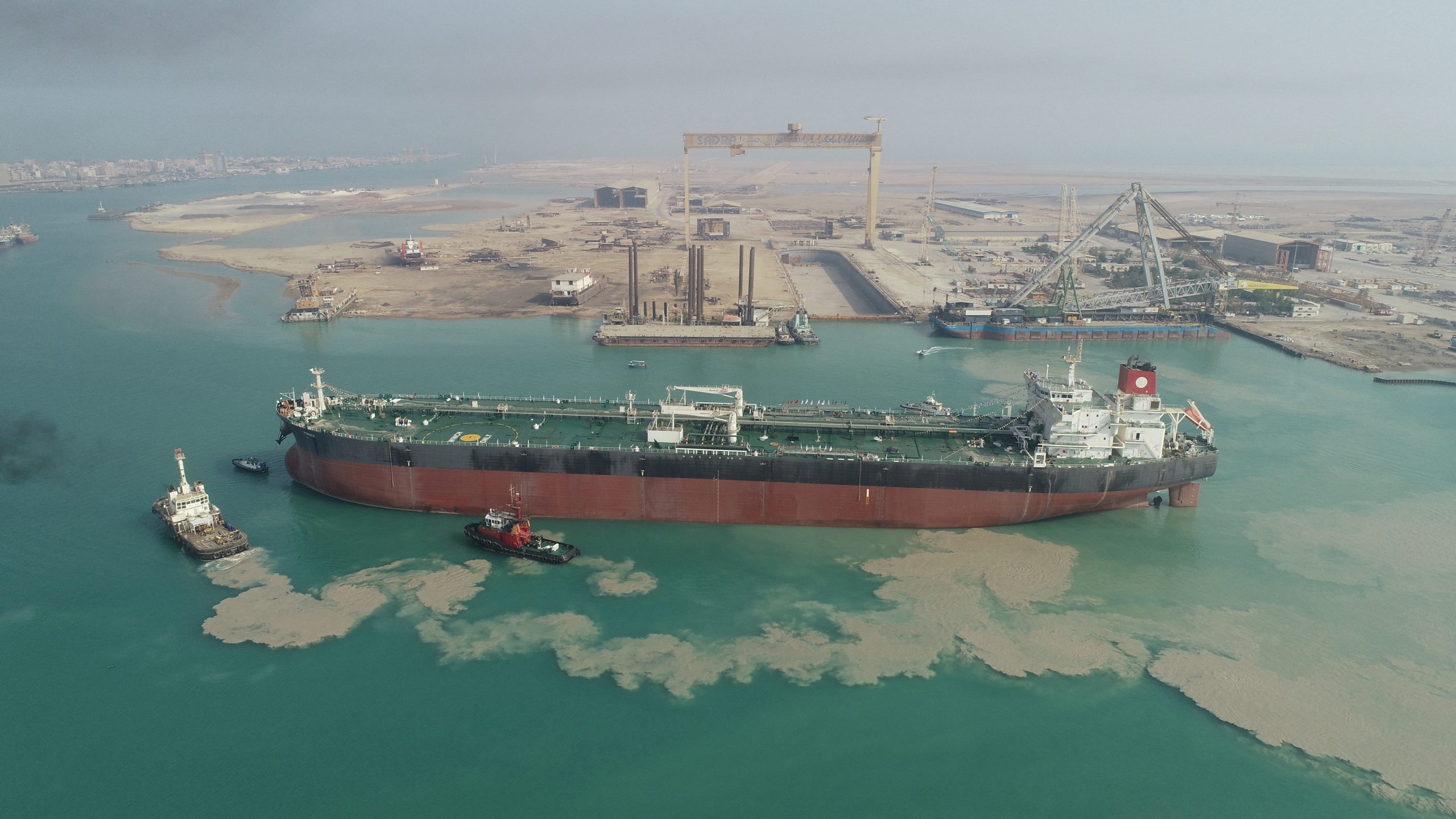
A vessel resembling the seized Skipper tanker, the focus of escalating tensions between the US and Venezuela.
How Long Will It Take to Revive Venezuela’s Oil Industry?
Reviving Venezuela's oil fields under this new U.S.-led push won't happen swiftly, with experts estimating five to ten years for significant gains, even under optimal conditions. Pipelines require full replacements, refineries need total rebuilds, and ports demand upgrades to handle increased flows safely.
Training workers and securing stable governance add layers of complexity, potentially causing short-term dips in output during transitions. Analysts project a climb to 2.5 million barrels per day over the next decade, but only if investments flow steadily and political hurdles clear without major disruptions.
Digging Deeper: Key Questions on Venezuela's Oil and U.S. Involvement
What Unique Challenges Do U.S. Companies Face in Extracting Venezuela's Extra-Heavy Crude?
U.S. firms entering Venezuela must tackle the Orinoco Belt's viscous oil, which behaves more like tar than traditional crude, requiring dilution with lighter oils or chemicals before it can even be pumped efficiently. Beyond that, environmental concerns loom large, as extraction often involves steam injection that consumes vast water resources and emits high carbon levels, clashing with global sustainability goals. Security issues persist too, with remote sites vulnerable to sabotage or theft, demanding robust protection measures that could inflate costs by 20-30 percent over standard operations elsewhere.
How Could U.S. Control of Venezuelan Oil Impact Global Energy Prices?
If U.S. companies successfully ramp up Venezuelan production, an influx of up to 1.5 million additional barrels daily within a few years could exert downward pressure on worldwide oil prices, benefiting consumers but squeezing producers in OPEC nations. This shift might stabilize markets amid rising electric vehicle adoption, yet it risks sparking trade tensions if seen as unfair competition. In the short term, however, uncertainty from the seizure has already nudged prices slightly lower, as traders bet on eventual supply boosts despite initial logistical snarls.
What Are the Broader Geopolitical Ramifications of Trump's Actions in Venezuela?
Trump's seizure of Maduro has ignited widespread international backlash, with protests in over 100 U.S. cities and condemnations from allies like China demanding Maduro's release, viewing it as a blatant power grab that echoes historical imperialism. This could strain relations with Latin American neighbors, potentially isolating the U.S. in regional forums while emboldening rivals to fortify their own resource defenses. Long-term, it sets a precedent for intervention in resource-rich but unstable countries, possibly accelerating shifts toward alternative energy alliances and heightening global security risks.
The Bottom Line: A Trillion-Dollar Shift with Uncertain Payoffs
Venezuela's oil remains an unparalleled asset, valued in the trillions and now tantalizingly within reach following Trump's decisive intervention. Yet the road to unlocking it demands patience, massive capital, and diplomatic finesse amid ongoing global scrutiny. This moment feels like a turning point in energy geopolitics, where American ingenuity could rewrite Venezuela's fate, though the full rewards may unfold over years rather than months, testing everyone's resolve along the way.