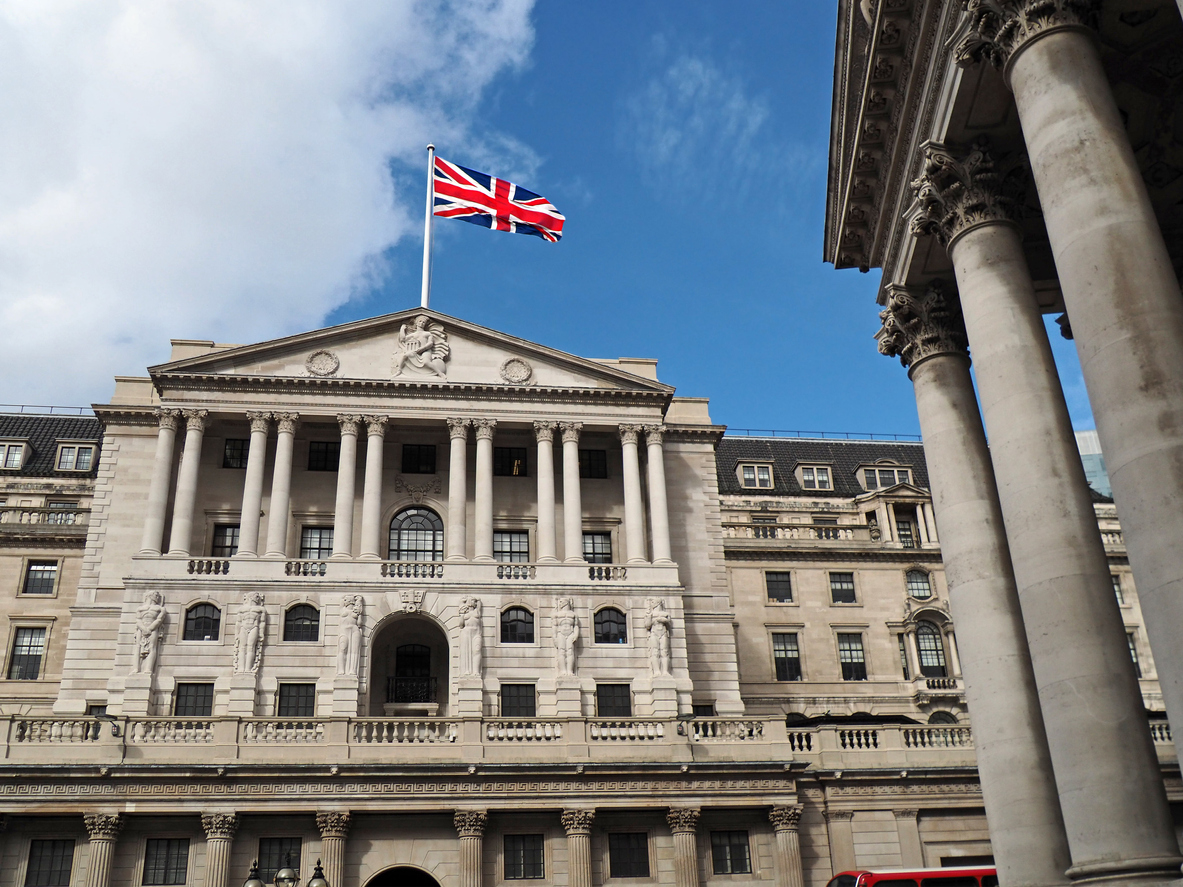
The Bank of England’s next rate decision is a test of whether it can keep borrowing costs calm while inflation moves back above target. Bank Rate is already at 3.75%, UK CPI inflation has risen to 3.3%, and one wrong signal from Threadneedle Street could feed straight into mortgage pricing, gilt yields and business finance before any formal rate rise takes place.
The Monetary Policy Committee is due to announce its next interest rate decision on 30 April 2026. The Bank held rates unanimously in March, but the April decision arrives with fuel, energy and services prices pulling the policy debate in different directions. For households and firms, the question is not only whether rates stay still. It is whether the Bank’s language pushes markets to make credit more expensive anyway.
That is the pressure point heading into the announcement. A hold at 3.75% may look benign on the surface, but mortgage lenders and bond investors price the future path of rates, not only the current setting. If the Bank sounds too worried about inflation, markets can pull forward expectations of tighter policy. If it sounds too relaxed, investors may question whether it is falling behind the inflation risk.
The inflation backdrop gives the Bank little room for a clean message. The Office for National Statistics said CPI rose by 3.3% in the 12 months to March 2026, up from 3.0% in February. On a monthly basis, CPI rose by 0.7%, compared with 0.3% in March 2025. Motor fuels made the largest upward contribution to the monthly change in both CPIH and CPI annual rates.
Those fuel costs do not stay neatly inside petrol stations. They pass through delivery fleets, logistics contracts, food distribution, construction, business travel and supplier pricing. A company facing higher transport or input costs has three uncomfortable choices: raise prices, take the margin hit, or delay spending until costs and demand look clearer.
That is where the Bank’s problem becomes a business problem. Higher interest rates cannot produce more oil or reduce disruption in energy supply chains. But weak guidance from the Bank can still allow higher fuel and energy prices to settle into wage demands, contract renewals and corporate pricing decisions. The monetary policy tool is blunt, but the consequences of hesitation can be costly.
The Bank has already said disruption linked to the war in Iran and the Middle East has pushed up energy prices and made inflation higher than expected in the short term. That puts the MPC in a difficult position: it needs to show inflation discipline without treating every imported price shock as proof that the domestic economy is overheating.
For borrowers, the danger is immediate. A fixed-rate mortgage offer, a small-business loan or a corporate refinancing can become more expensive even if the Bank does nothing on the headline rate. Lenders take their cue from market expectations, swap rates, funding costs and gilt yields. The Bank’s words can therefore tighten financial conditions without a vote for higher rates.
For lenders, the calculation is equally awkward. Higher funding costs can support lending margins, but only if customers can keep servicing debt. If household budgets weaken and firms delay investment, credit risk rises. Banks then face the harder job of pricing loans for inflation risk without pushing borrowers into stress.
For businesses, the cost of waiting can build quickly. Energy-sensitive firms cannot pause payroll, transport, inventory and supplier payments while the MPC debates whether the shock will fade. If borrowing costs rise at the same time as input costs, investment plans become harder to justify and cash-flow discipline takes priority over expansion.
The gilt market adds another layer of risk. Government bond yields feed into mortgage pricing, corporate borrowing and the state’s own financing costs. If investors read the Bank’s message as a warning that rates may need to rise later in the year, financial conditions can tighten across the economy before the Bank has changed Bank Rate at all.
The services data keeps the Bank from sounding too comfortable. UK services inflation was reported at 4.5% in March, up from 4.3% in February. Services prices are watched closely because they are more closely linked to domestic wages, rents, contracts and day-to-day business costs than many goods prices.
That makes the April decision less straightforward than a fuel-price story. If inflation were only a short-lived energy spike, the Bank could wait with greater confidence. But if services inflation remains sticky, policymakers may need to keep the threat of future action alive. The trouble is that even hinting at that threat can lift borrowing costs.
Reuters reported that economists mostly expected the Bank to keep rates on hold this week, while some analysts said several policymakers could vote for a rise to stop headline inflation feeding into wages and company prices. That possible split is financially relevant because a divided vote can change expectations even when the headline decision is unchanged.
A unanimous hold would give borrowers some breathing space. A split vote would tell markets that a rate increase remains live. A hold with tougher language would sit somewhere in between: no immediate move, but enough warning to keep mortgage markets and business lenders cautious.
That is the narrow path for Andrew Bailey and the MPC. They need to keep anti-inflation credibility intact without encouraging markets to do the tightening for them. They need to acknowledge higher energy and fuel costs without making a later rate rise feel unavoidable. And they need to avoid a repeat of the kind of messaging that sends investors racing ahead of the Bank’s intended signal.
The financial read is clear. The risk has shifted from the rate itself to the market reaction around the rate. A hold at 3.75% does not automatically protect households or firms if the statement that comes with it pushes up expected borrowing costs.
For households, that means mortgage relief may remain limited. For businesses, it means capital spending and refinancing decisions remain exposed to policy language. For the government, it means gilt-market confidence stays tied to whether the Bank can separate temporary energy pressure from lasting inflation risk.
The Bank does not need to shock the market to change financial conditions. It only needs to sound more anxious than investors expected.
That is the cost-of-money risk heading into 30 April. Bank Rate may stay still, but the price of credit can move first.
More from Finance Monthly: UK Inflation Is Back Above 3%. The Harder Problem Is Growth