The Iran war is starting to reach US and UK shoppers through products they buy every week: Coca-Cola, Pampers, Kleenex, Valspar paint, dairy and flights. The risk is not one dramatic price rise across every shelf tomorrow. It is a slower squeeze through energy, freight, plastic, aluminium, packaging and transport costs that sit behind ordinary household spending.
If oil and shipping costs stay high, the brands under pressure are the ones built around fuel, packaging, chemicals, refrigeration and delivery. Petrol is only the most visible cost. The less obvious pressure is buried in drinks cans, shampoo bottles, diapers, tissues, paint tins, chilled dairy and long-haul flights.
The pressure starts with energy. The World Bank has warned that the Middle East conflict is pushing up global commodity prices, including oil, natural gas, urea and other raw materials, with higher fertiliser and energy costs expected to feed into food and fuel affordability. For households, that means the conflict can move from oil markets into food production, packaging, transport, air travel and weekly essentials.
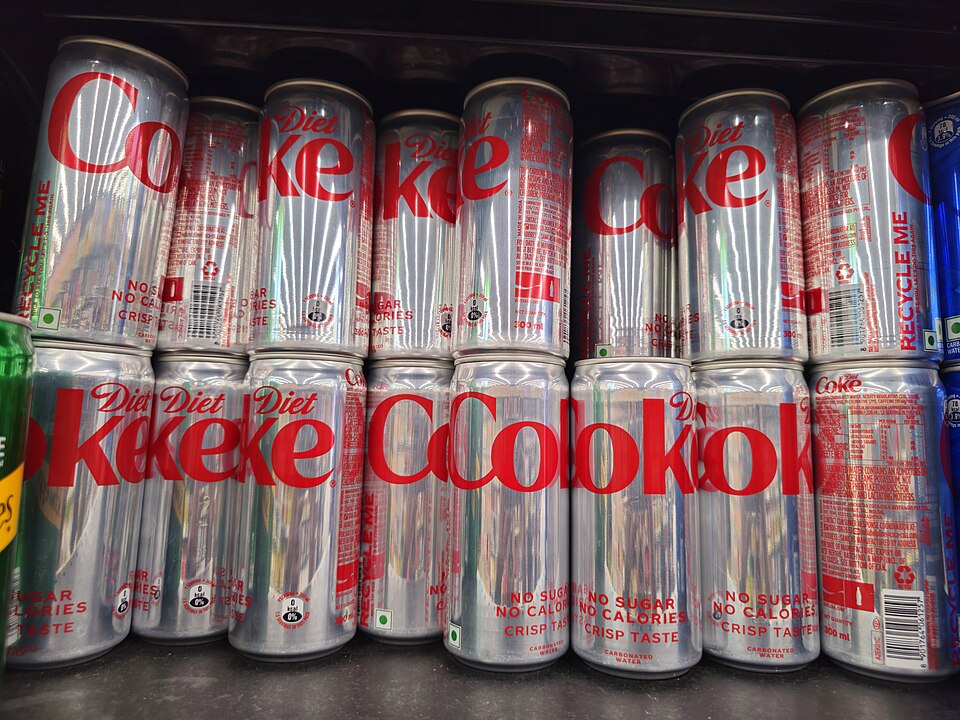
Coca-Cola is one of the clearest brand examples because a can or bottle of Coke is not only a drink. It is aluminium, plastic, labels, caps, cardboard, refrigeration and delivery. Financial Express reported that SLMG Beverages, Coca-Cola’s largest bottler in India, warned that packaging costs linked to the Middle East conflict could push up some prices, with pressure coming from plastic bottles, caps, labels and cardboard boxes.
That does not mean Coca-Cola has announced a direct US or UK shelf-price rise because of the Iran war. The cleaner point for shoppers is how the cost chain works. A packaging shock can start in one market, then appear elsewhere through supplier contracts, bottling costs, retailer negotiations, reduced promotions or smaller discounts. Consumers can feel the pressure before there is a tidy explanation on the shelf edge.
Procter & Gamble brings the same problem into the bathroom cupboard and nursery. The maker of Pampers, Tide, Gillette, Oral-B, Head & Shoulders, Pantene and Olay warned of a roughly $1 billion hit to fiscal 2027 profit from surging oil prices, according to RTE. Retail Gazette also reported that P&G expects a $150 million hit in its fiscal fourth quarter from higher costs, largely driven by transportation expenses linked to rising fuel prices.
Pampers is the household example that lands fastest because diapers are not an easy purchase to delay. Parents can switch brands, buy bigger packs or chase supermarket deals, but they cannot stop buying diapers while waiting for oil markets to settle. If plastic, packaging and logistics keep getting dearer, the pressure lands on a basic family purchase rather than a discretionary treat.
Kimberly-Clark sits in the same pressure zone. The maker of Huggies diapers and Kleenex tissues expects an additional $150 million to $170 million in input expenses if oil prices remain around $100 per barrel through the second half of the year, according to Investing.com.
That warning is useful because tissues, diapers and hygiene products are repeat purchases. A small price rise or weaker promotion does not feel dramatic once. It becomes painful when it repeats every week or every month. That is how an oil shock turns into household-budget pressure without a single obvious bill landing on the doormat.
Paint and DIY products show another route into the home. Sherwin-Williams owns Valspar, and Valspar is sold to consumers in both the US and UK, including through its US site and B&Q in the UK. That makes Valspar a useful cross-market brand for this story.
Paint carries more oil exposure than many shoppers realise. It depends on chemicals, resins, solvents, containers, energy-intensive production and delivery into stores. When those inputs become more expensive, repainting a room or treating a fence can become part of the same price shock that started in oil and shipping markets.
Dairy and chilled foods face a different version of the squeeze. Brands such as Président sit inside a cost chain built on energy, refrigeration, packaging and transport. Where energy and freight costs rise, the cost of keeping goods cold and moving them quickly can climb as well. Shoppers do not buy freight at the supermarket, but freight is still buried in the final price.
Airfares bring the oil shock into services rather than shelves. Oxford Economics said a conflict-driven fuel price surge is raising airfares and slowing global air-travel demand, with crude oil prices surging after the closure of the Strait of Hormuz and jet fuel prices doubling within weeks.
The household risk is that the Iran war price shock does not arrive as one clean line on a bank statement. It arrives through separate receipts: fuel, flights, diapers, soft drinks, tissues, shampoo, paint and food. Each cost can look small in isolation. Together, they can squeeze the monthly budget.
The companies with the strongest brands have more room to protect themselves than shoppers do. Coca-Cola, P&G, Kimberly-Clark and Sherwin-Williams can raise prices, reduce promotions, alter pack sizes, shift product mix or absorb costs for a while. Households have fewer levers. They can trade down, delay spending, change retailer or wait for offers, but they cannot remove energy and transport from the supply chain.
That split is harshest for lower-income households because essentials take a larger share of income. A modest increase in diapers, toiletries, food, transport or energy-linked goods takes money away from savings, debt repayments or other bills. The pressure is scattered, but the budget effect is real.
There is also a timing problem. Companies often feel higher costs before households do. They can absorb the hit for a quarter, pass it into retailer negotiations, cut promotions first, or wait for contract resets. By the time the shopper notices, the original oil shock has already travelled through suppliers, packaging makers, logistics firms and store pricing.
The smarter way to read the next few months is not to wait for one headline saying every brand has raised prices. Watch the products most exposed to oil, freight and packaging: soft drinks, diapers, tissues, shampoo, paint, chilled food and air travel. Those are the places where a global conflict can turn into a household cost without much warning.
The Iran war has turned the shopping basket into a map of the oil economy. Petrol is only the obvious one. The next squeeze is likely to show up in the products already sitting in the trolley: drinks, diapers, tissues, paint, dairy and flights.
More from Finance Monthly: Jamie Dimon Warns Iran War Could Keep Rates Higher for Longer — Why It Hits Your Money