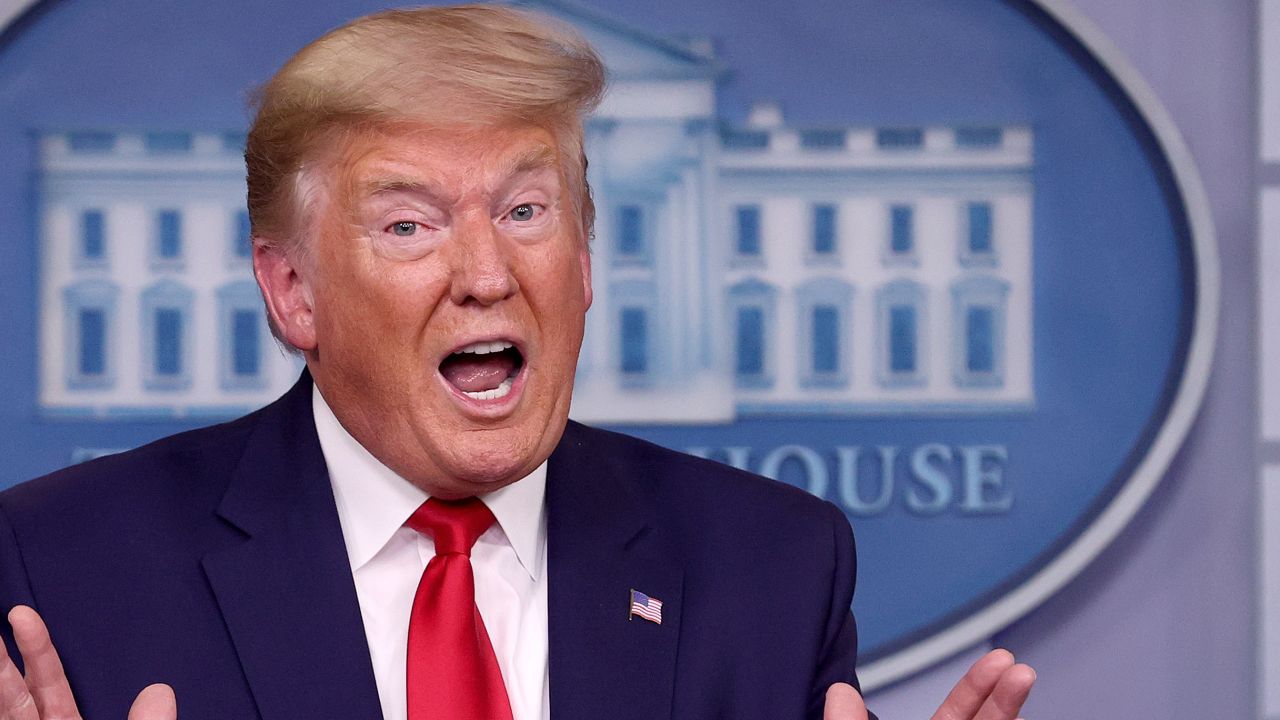
President Donald Trump disclosed thousands of stock trades during the first quarter of 2026, reviving long-running questions about presidential ethics rules and how sitting presidents should manage personal investments while directing federal policy.
Records filed with the federal Office of Government Ethics show more than 3,600 buy and sell orders over a three-month period involving companies across the technology, defense, aviation and consumer sectors.
Among the holdings disclosed were positions in chipmaker NVIDIA, whose advanced semiconductor exports to China have been subject to U.S. government approval decisions, as well as defense contractors including Lockheed Martin, General Dynamics and Northrop Grumman.
The report quickly revived debate over the broad exemption presidents receive under federal conflict-of-interest laws. Many federal officials are barred from holding assets directly affected by decisions tied to their government roles, but the president and vice president are exempt from several of those restrictions.
Richard Painter, who served as chief White House ethics lawyer under President George W. Bush, said voters could question whether policy decisions are fully independent when presidents actively trade individual stocks during their presidency.
A spokesperson for the Trump Organization said the investments are managed independently by outside financial professionals and that neither President Trump nor his family directs individual trading decisions.
“Neither President Trump, his family, nor The Trump Organization plays any role in selecting, directing, or approving specific investments,” spokesperson Kimberly Benza said in a statement. “They receive no advance notice of trading activity and provide no input regarding investment decisions or portfolio management.”
The records show tens of millions of dollars in stock transactions during the quarter, although federal disclosure forms only report transactions within broad value ranges rather than exact figures, leaving the precise size of the trades unclear.
Trump’s latest disclosures also revealed positions in several major U.S. companies, including Apple, Boeing, Tesla and Intel. Executives from some of those companies recently accompanied Trump during his visit to China.
Presidents have traditionally tried to avoid situations like this altogether.
Former President George H. W. Bush used a blind trust during his presidency, while George W. Bush sold many individual holdings before taking office. Barack Obama primarily held diversified mutual funds, and Joe Biden reported limited direct stock trading as president.
Presidential Trading Disclosures Could Face New Transparency Pressure
The filings may also reopen calls for tougher disclosure laws governing how quickly presidential trading activity becomes public. Current ethics disclosures are periodic and often reveal transactions using broad value ranges rather than exact figures, meaning trades connected to politically sensitive sectors may not become public until weeks or months later.
Critics of the current system argue delayed disclosures can leave investors questioning whether the rules apply equally when senior government officials hold positions in companies affected by tariffs, defense spending, export controls or major geopolitical decisions.
Some lawmakers and ethics groups have previously proposed requiring presidents, vice presidents and members of Congress to place certain assets into qualified blind trusts or restrict ownership of individual stocks while serving in office. Those proposals have repeatedly stalled despite bipartisan concern over stock trading by senior government officials.
The issue is unlikely to disappear as lawmakers continue debating whether presidents should be allowed to actively trade individual stocks while in power.