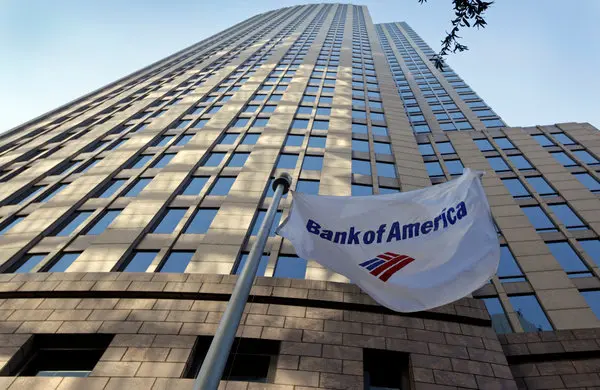
U.S. banks are facing a fresh wave of regulatory pressure after Donald Trump signed an executive order tightening federal oversight of financial institutions, forcing lenders to prepare for stricter identity checks, deeper transaction monitoring, and tougher credit risk rules.
The order lands at a sensitive moment for the banking sector, where institutions are already dealing with rising compliance costs, slower loan processing times, and growing pressure to prevent financial fraud while maintaining access to credit.
For customers and businesses, the impact is likely to be felt in a very direct way: more documentation, slower approvals, and tighter scrutiny on financial activity that previously moved through the system with fewer checks.
Banks warned to expect heavier scrutiny and slower financial access
The directive instructs the Treasury Department and regulators to expand customer verification requirements and increase monitoring of financial activity that appears complex, layered, or difficult to trace. In practice, that means banks will be required to dig deeper into who owns accounts, where money is coming from, and how transactions move through the system — a shift that immediately raises operational workload inside compliance departments.
The result is expected to be slower onboarding for new customers, more frequent identity verification requests, and a higher likelihood of transactions being flagged for review before approval.
Smaller banks are expected to feel the strain first, as they typically have fewer resources to absorb the additional regulatory burden.
Lending rules could tighten as credit decisions come under review
The order also pushes regulators to reassess how banks evaluate credit risk, including whether income stability and employment reliability should play a greater role in lending decisions.
That shift could translate into more cautious lending behaviour across mortgages, personal loans, and consumer credit products, particularly at a time when borrowing costs are already elevated. For borrowers, the change may not appear as a headline policy shift, but as a series of smaller friction points — longer approval times, more paperwork, and stricter eligibility checks.
Over time, that friction can reshape how easily households and businesses access credit.
Banks face rising costs as compliance systems expand
Behind the scenes, financial institutions are now bracing for higher compliance costs as they adjust systems to meet expanded federal requirements. More verification steps and deeper monitoring do not just add administrative work — they require investment in technology, staff, and ongoing oversight.
Those costs rarely stay contained within compliance departments. They tend to flow through the system in the form of higher fees, tighter lending standards, and more selective access to financial services.
What this means for the wider economy
As Treasury guidance is rolled out in the coming months, banks are expected to begin reshaping internal processes to align with the new regulatory expectations.
The immediate change is procedural, but the broader effect is structural: a banking system that becomes more cautious, more heavily monitored, and less flexible in how quickly it extends credit. For consumers and businesses, that could mean a noticeable shift in how fast money moves through the system — and how easily it is accessed when needed.
The direction is clear, even if the full impact is not yet visible: tighter oversight, higher compliance costs, and a more restrictive credit environment emerging across the U.S. financial sector.