Parents and religious schools are challenging the UK government’s decision to apply VAT to private school fees, arguing it could increase costs and change access to faith-based education.
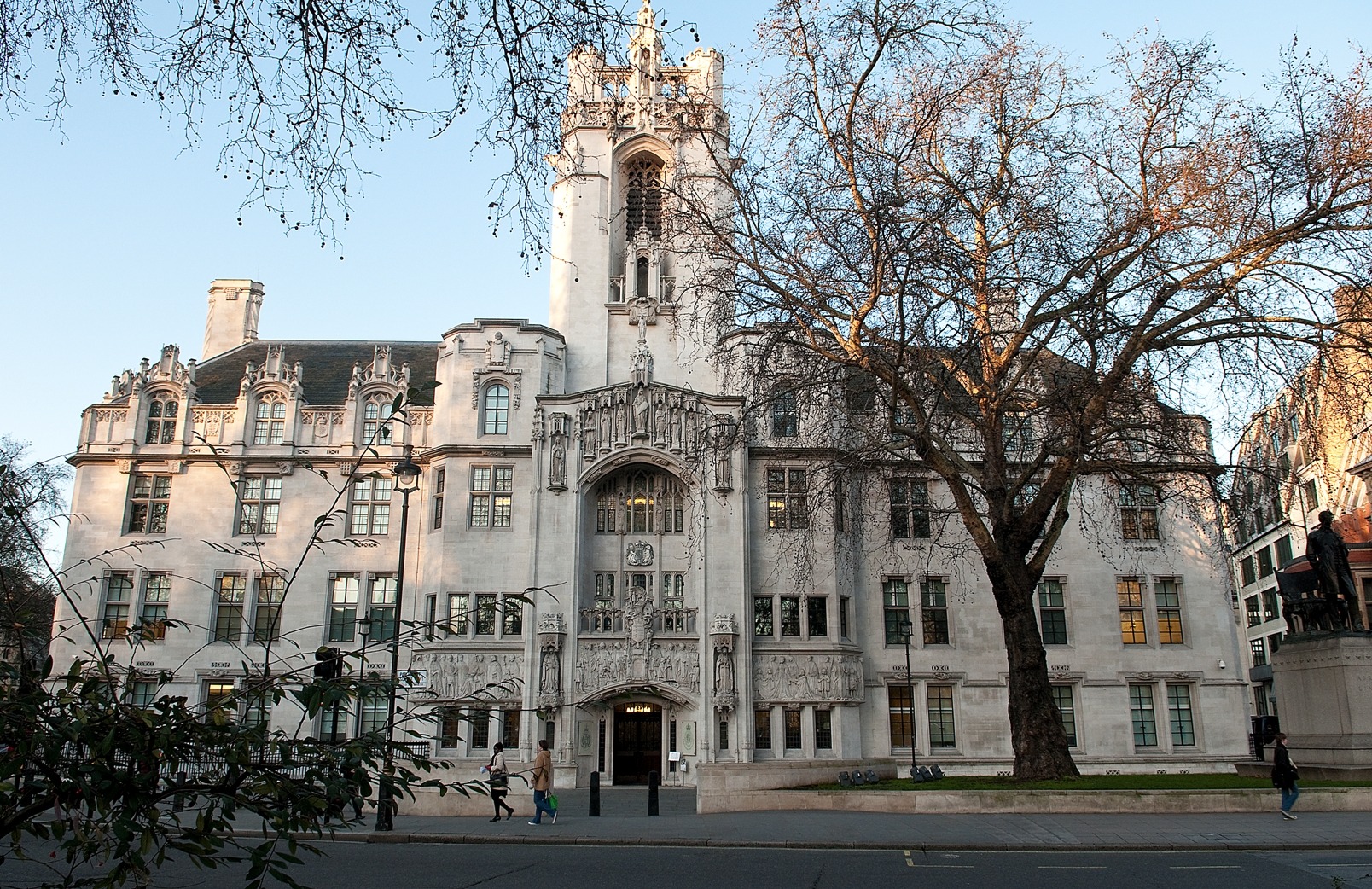
The case will now be decided by the UK Supreme Court after earlier courts rejected claims that the 2025 tax change breaches human rights protections on education, property, and equal treatment.
At the centre of the dispute is a government decision to extend VAT to private school fees in 2025, a move designed to raise revenue for state education funding but one that immediately increased cost pressure across the private sector. Religious schools, parents and pupils involved in the challenge say the impact is not theoretical. It is already shaping financial decisions inside households and school budgets.
Families say rising costs are already forcing pressure points
The legal challenge includes Charedi Jewish and Evangelical Christian schools, alongside parents who argue that even small increases in fees quickly become unsustainable.
In some communities, private schooling is closely tied to religious life, meaning the financial impact extends beyond education and into cultural continuity. Parents involved in the case say the concern is not just affordability in the long term, but whether children will be able to remain in their current schools over the next academic cycles.
Schools involved in the case warn they have limited ability to absorb the tax without passing it directly into fees.
Government says VAT is needed to fund public education
The government introduced VAT on private school fees following its 2024 election commitment, framing the policy as a way to raise additional funding for state education.
Officials rejected exemptions for religious schools during consultation, arguing they would reduce revenue and create inconsistent application of the tax across different institutions. The change was introduced through the Finance Act 2025, marking a structural shift in how private education is taxed in the UK.
Schools face direct financial trade-offs
The policy creates a straightforward financial pressure: schools either absorb the VAT, reducing already tight budgets, or pass the cost on to parents through higher fees.
For many independent and faith-based schools, there is limited flexibility in either direction. Staffing, resources, and operational stability all sit within narrow margins. In smaller schools, even modest changes in enrolment can quickly affect financial viability, adding another layer of instability to planning for the year ahead.
Courts have already rejected earlier challenges
Both the Divisional Court and Court of Appeal have dismissed arguments that the VAT policy is unlawful or incompatible with human rights protections. Judges ruled that governments retain wide discretion over taxation policy, even where the impact is uneven across different social or religious groups.
The Supreme Court will now decide whether those rulings should stand or whether the policy breaches protections under the European Convention on Human Rights.
What happens next
The Supreme Court will determine whether VAT on private school fees remains in place or is struck down under human rights law, a decision that could reshape how private education is funded in the UK. For families involved, the case is not only about taxation but about whether rising costs will gradually narrow access to faith-based education.
The ruling will ultimately define how far governments can use taxation policy to reshape parts of the education system while balancing revenue needs against social impact.