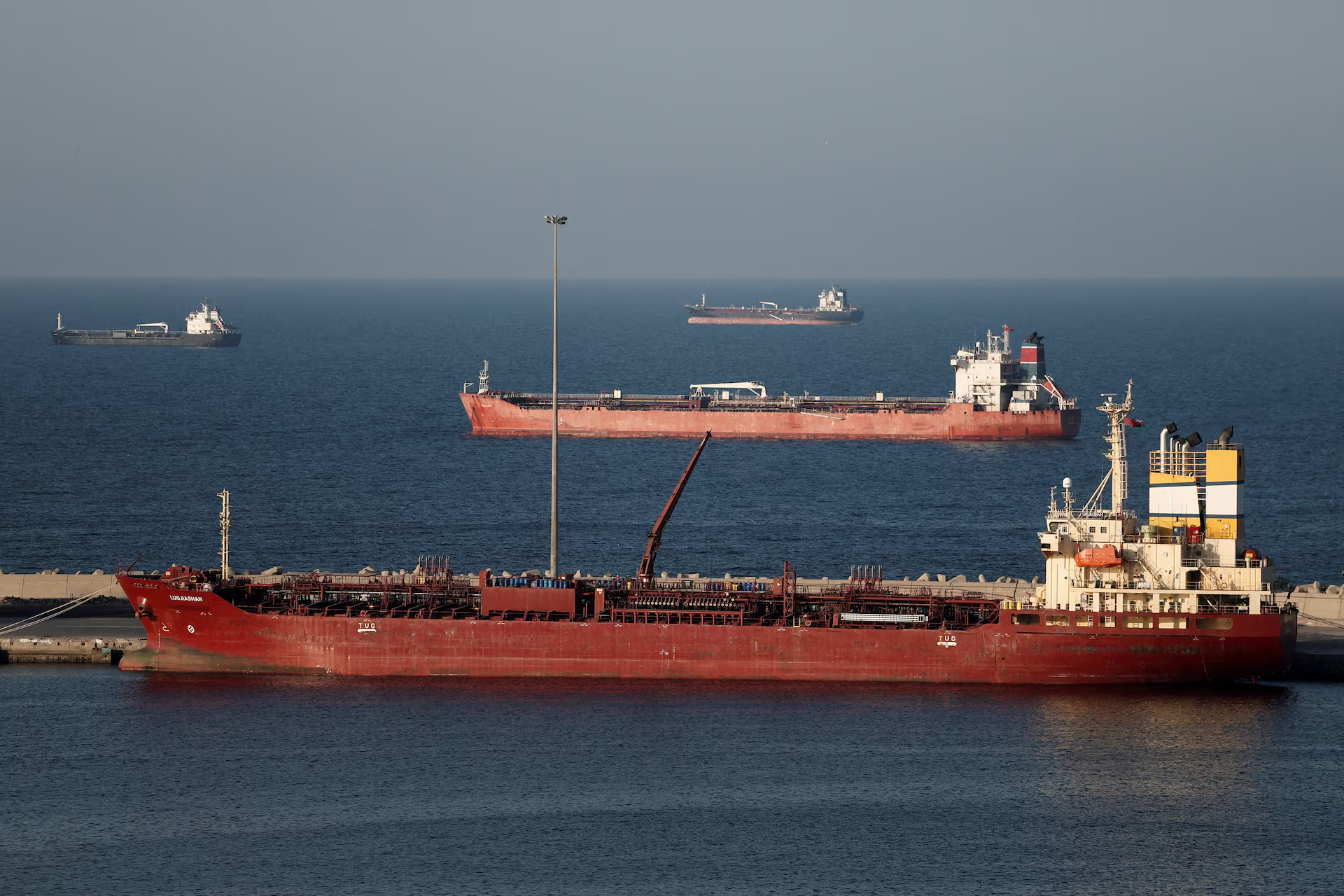
Oil prices pushed above $105 a barrel Friday as the Iran war stretched deeper into another month, reviving fears that fuel, transport and household costs could start rising again just as many families were beginning to recover from years of inflation and expensive living costs.
Stock markets across Asia, Europe and the United States still moved higher, but the optimism looked fragile as energy traders watched the conflict closely for any sign of further disruption to global oil supplies.
Brent crude added 2.8% to reach $105.48 a barrel after trading near $70 before the conflict began earlier this year. U.S. crude moved sharply higher as disruption around the Strait of Hormuz continued to unsettle global energy markets.
Any disruption in the Strait of Hormuz can hit global oil and gas supplies quickly, which is why traders remain on edge as negotiations between Washington and Tehran drag on without a breakthrough.
Consumers have seen this before — and many are worried it could happen again.
For households already struggling with high grocery bills, rent and debt repayments, renewed increases in oil prices could quickly feed into airline tickets, delivery costs, supermarket prices and monthly household expenses.
The bigger risk now is that inflation could stay higher for longer, making it harder for central banks to lower interest rates. That would keep pressure on mortgages, credit cards and business borrowing across the economy.
Bond markets already reacted sharply earlier this week as investors worried the conflict could reignite inflation across major economies. Government borrowing costs climbed before easing slightly Friday, after fears spread that stubborn inflation tied to rising energy prices could slow growth and weaken financial markets.
The U.S. 10-year Treasury yield slipped back to 4.56% Friday after rising above 4.67% earlier in the week, a move that rattled stocks, cryptocurrencies and borrowing markets globally.
Political tensions in Washington added fresh instability. Republicans delayed planned congressional votes tied to limiting President Donald Trump’s military campaign after concerns emerged that party leaders may not have had enough support to block the measure.
Stocks kept rising Friday, but the rally masked growing unease over what could happen if oil prices stay elevated for weeks or months.
Wall Street still closed modestly higher Thursday. The S&P 500 gained 0.2%, while the Dow Jones Industrial Average rose 0.6%. The Nasdaq edged up 0.1%.
Airline shares advanced after oil prices briefly eased before turning higher again. American Airlines rose 4.9% and Southwest Airlines gained 2.7%, while Ralph Lauren surged nearly 14% after stronger-than-expected earnings.
Shares of Nvidia slipped despite another strong quarter, with some traders appearing cautious after the company’s huge rally during the artificial intelligence boom.
Stocks may still be climbing, but many consumers could end up paying the price first through higher fuel bills, more expensive goods and renewed inflation strain across everyday life.