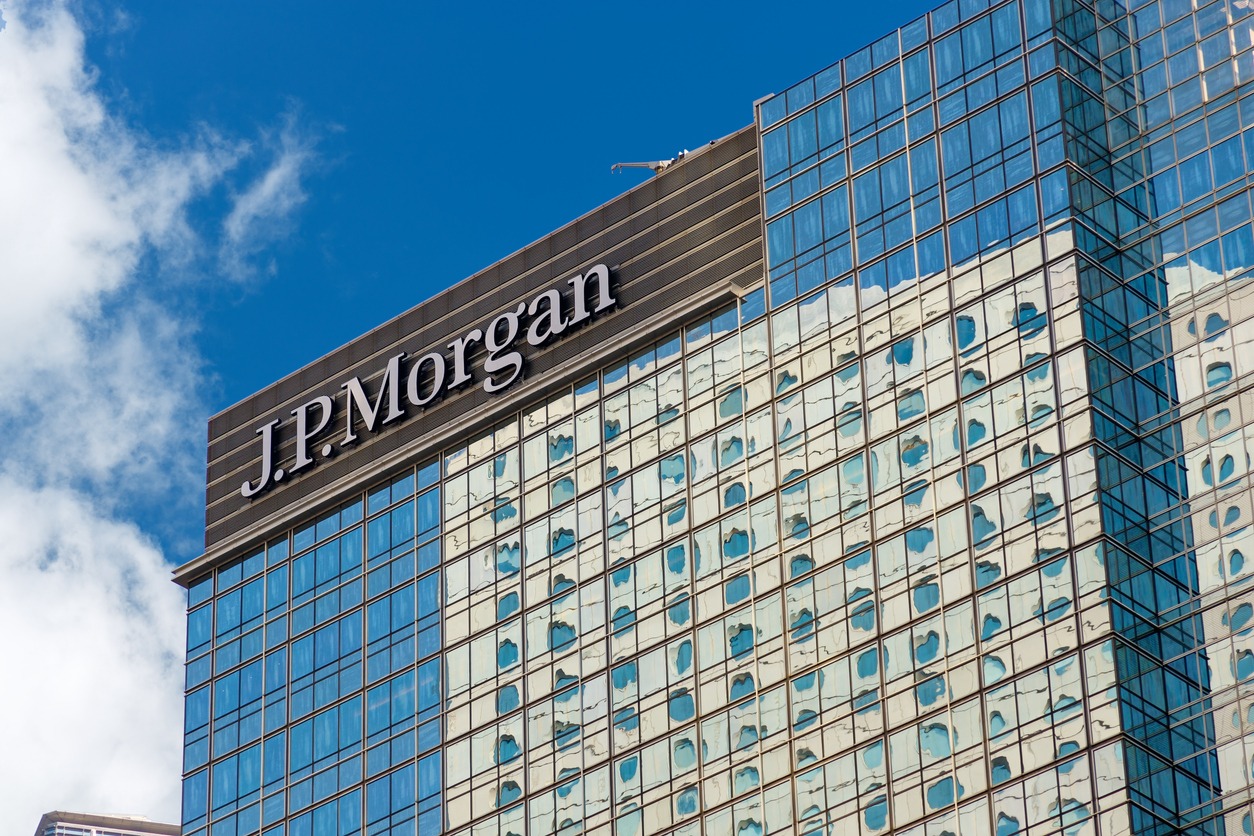
JPMorgan Chase & Co. is trying to reduce its exposure to more than $4 billion in private equity-linked loans as cracks spread through one of Wall Street’s most debt-heavy markets, raising fresh fears about hidden financial strain tied to slowing dealmaking, AI disruption and weaker company valuations.
The bank is reportedly in talks with investors about transferring part of the potential losses tied to so-called NAV loans, a form of borrowing private equity firms leaned on heavily after company sales slowed and traditional exits dried up.
The timing matters because NAV loans exploded during the era of cheap money, when banks rushed to expand lending to giant buyout firms. Now, with borrowing costs higher and deal activity still sluggish, some lenders appear far less comfortable holding the same debt on their books.
Private equity firms are under mounting strain as they struggle to sell companies, return cash to investors and maintain valuations that surged during the low-interest-rate boom. AI is adding another layer of anxiety, especially around software companies that many buyout firms relied on for growth.
Millions of pension savers are tied to these markets without realizing it. Retirement funds, insurance groups and institutional investment products all have exposure to private equity, meaning prolonged weakness inside the sector can eventually spill into long-term savings and broader financial markets.
As exits dried up, many private equity firms started borrowing against older investments just to keep cash moving. The loans helped funds support struggling portfolio companies, raise new financing and continue sending distributions back to investors despite a frozen deal market.
Banks treated the loans as relatively safe because they were backed by large portfolios instead of single companies. That assumption looks far more fragile if multiple valuations start falling at the same time or if heavily indebted companies remain trapped under high borrowing costs for longer than expected.
JPMorgan’s proposed transaction would reportedly allow the bank to keep the loans on its balance sheet while shifting part of the potential downside to outside investors in exchange for higher returns. According to the Financial Times, the discussions involve transferring losses tied to as much as 12.5 per cent of a loan pool worth more than $4 billion.
JPMorgan is not alone. Mitsubishi UFJ Financial Group has also explored similar deals as lenders grow more cautious about leveraged finance markets.
Regulators in both the US and Europe have already started warning about the dangers tied to what some describe as “leverage on leverage.” Many companies inside these private equity portfolios are already carrying huge debt loads. Borrowing again against the same assets only increases the strain if markets weaken further.
Some investors also worry that extra borrowing is being used to delay weaker performance from surfacing. When companies cannot be sold at expected prices, private equity firms can come under growing pressure from investors who have already waited years for returns.
Wall Street spent years flooding private equity with cheap money. Now many of those same assets are stuck inside a weaker market, while AI fears are starting to hit parts of the tech sector that buyout firms heavily relied on for growth.
When major banks begin trying to move debt risk off their books, investors often read it as a sign that confidence inside the market is starting to weaken. If borrowing costs remain high and dealmaking stays frozen, more lenders may try to cut exposure at the same time — adding fresh strain to markets that millions of retirement savers are already connected to without fully realizing it.