Owning a home in America is becoming more expensive in ways many households did not expect, as insurance bills climb nationwide and add another layer of strain to a housing market already weighed down by high borrowing costs, elevated property taxes, and years of weakening affordability.
A new Pew Research Center survey found that 71% of homeowners say their insurance premiums have increased in recent years, while 42% said prices had gone up “a lot.” For many families, what used to feel like a routine housing expense is now landing like another major monthly bill arriving at the worst possible time.
The increases are no longer confined to wildfire zones or hurricane-prone coastlines. Homeowners far from obvious disaster areas are opening renewal notices and discovering sharply higher premiums anyway. The issue is spreading through much of the country, quietly changing the economics of ownership at a moment when many Americans already feel locked out of moving, upgrading, or buying for the first time.
Housing was once treated as the safest form of long-term financial stability in the United States. Lately, that sense of predictability has started to weaken. Even households that secured low mortgage rates years ago are watching escrow payments rise as insurance expenses continue drifting upward.
Average annual homeowners insurance premiums jumped 24% between 2021 and 2024, according to the Consumer Federation of America, increasing by roughly $648 to more than $3,300 a year on average. Treasury Department data cited in the report also found premiums rising materially faster than inflation across recent years.
The increases are not coming from one place alone.
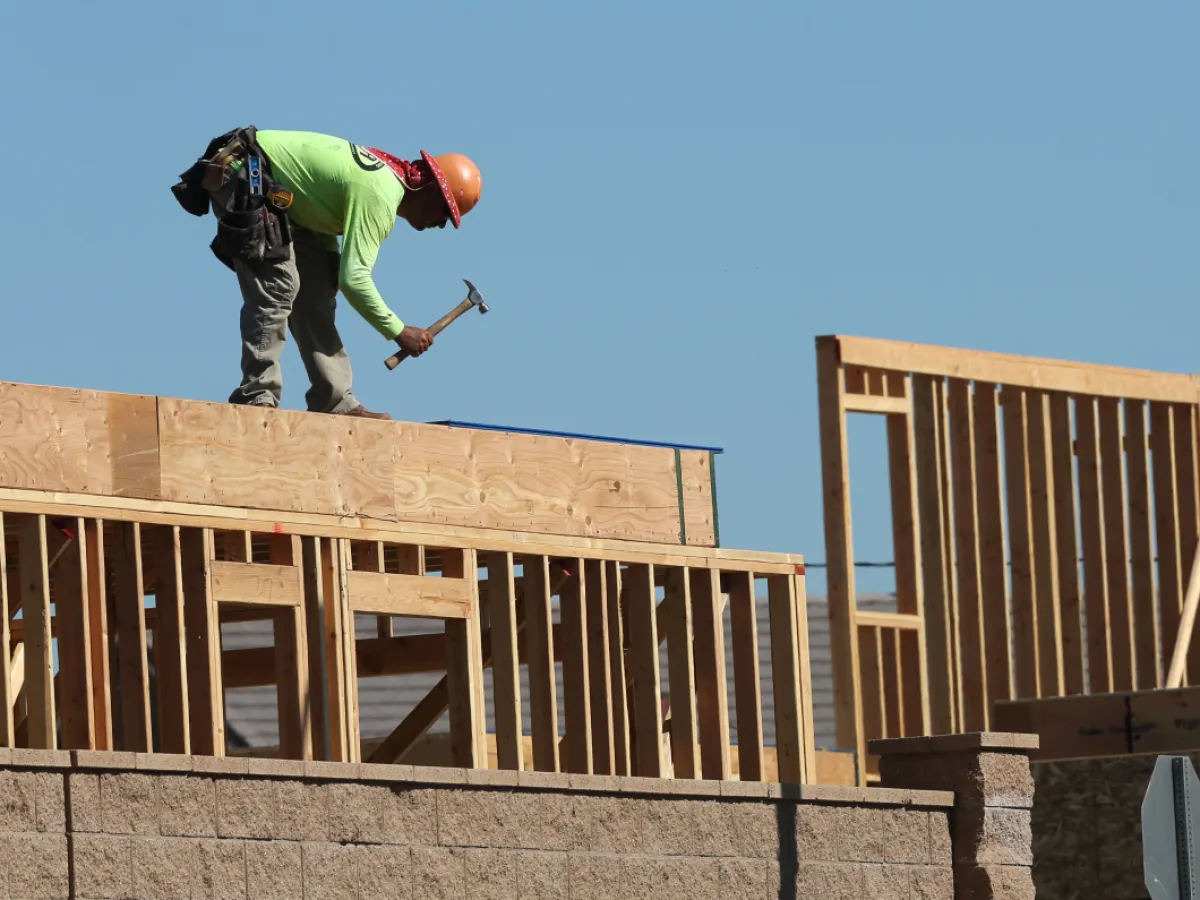
Rebuilding homes became significantly more expensive after the pandemic disrupted supply chains and pushed labor and material prices sharply higher. Severe weather events are also becoming more frequent and more destructive, leaving insurers with larger losses and more expensive claims. Those rising payouts are now feeding directly into household budgets.
Insurers are responding by charging more, tightening risk calculations, and becoming more selective about where they offer coverage. Some homeowners are discovering that areas once considered manageable now carry costs that look very different from only a few years ago.
The effects are starting to show up in ordinary financial decisions.
Families that planned major renovations are putting projects on hold. Buyers recalculating monthly payments are backing away from moves they once thought were manageable. Retirees on fixed incomes are finding that even if their mortgage remains affordable, the surrounding expenses tied to ownership keep shifting higher.
Utah, Illinois, Arizona, and Pennsylvania have recorded some of the steepest premium increases, with rates climbing between 44% and 59% from 2021 through 2024. But the broader pattern matters more than any individual state. Insurance premiums rose across 95% of U.S. ZIP codes during that same period.
Once bills begin rising almost everywhere, confidence in the wider housing market changes with it.
Higher insurance premiums feed directly into affordability calculations, limiting what buyers can borrow and what existing homeowners can realistically sustain over time. Without insurance, most buyers cannot even secure a mortgage. That turns rising premiums into another barrier standing between households and homeownership itself.
The effects also reach far beyond individual homeowners. Local governments depend heavily on property tax revenues tied to home values, while lenders and investors rely on functioning insurance markets to protect housing-backed assets. When coverage becomes harder to afford or harder to secure, the financial strain starts moving outward into the broader structure supporting the U.S. housing market.
Climate-related risks are accelerating the problem faster than many parts of the market appear able to adjust. Treasury data referenced in the report showed the number of billion-dollar weather and climate disasters increased more than fivefold from the 1980s through recent years after adjusting for inflation. Areas facing the highest expected climate losses now carry insurance premiums roughly 82% higher than lower-risk regions.
At the same time, population growth continues flowing into many of those higher-risk areas, particularly parts of Florida, Texas, Arizona, and coastal markets where demand remains strong despite worsening environmental exposure.
The cycle is becoming difficult for households to ignore. More development creates more insured exposure. Larger disasters push insurer losses higher. Premiums climb again. Families absorb another increase and quietly cut spending somewhere else to make the numbers work.
For homeowners already juggling mortgage payments, taxes, groceries, childcare, and utility bills, insurance is becoming another moving target. And unlike a few years ago, fewer people still believe those costs are going to settle back down anytime soon.