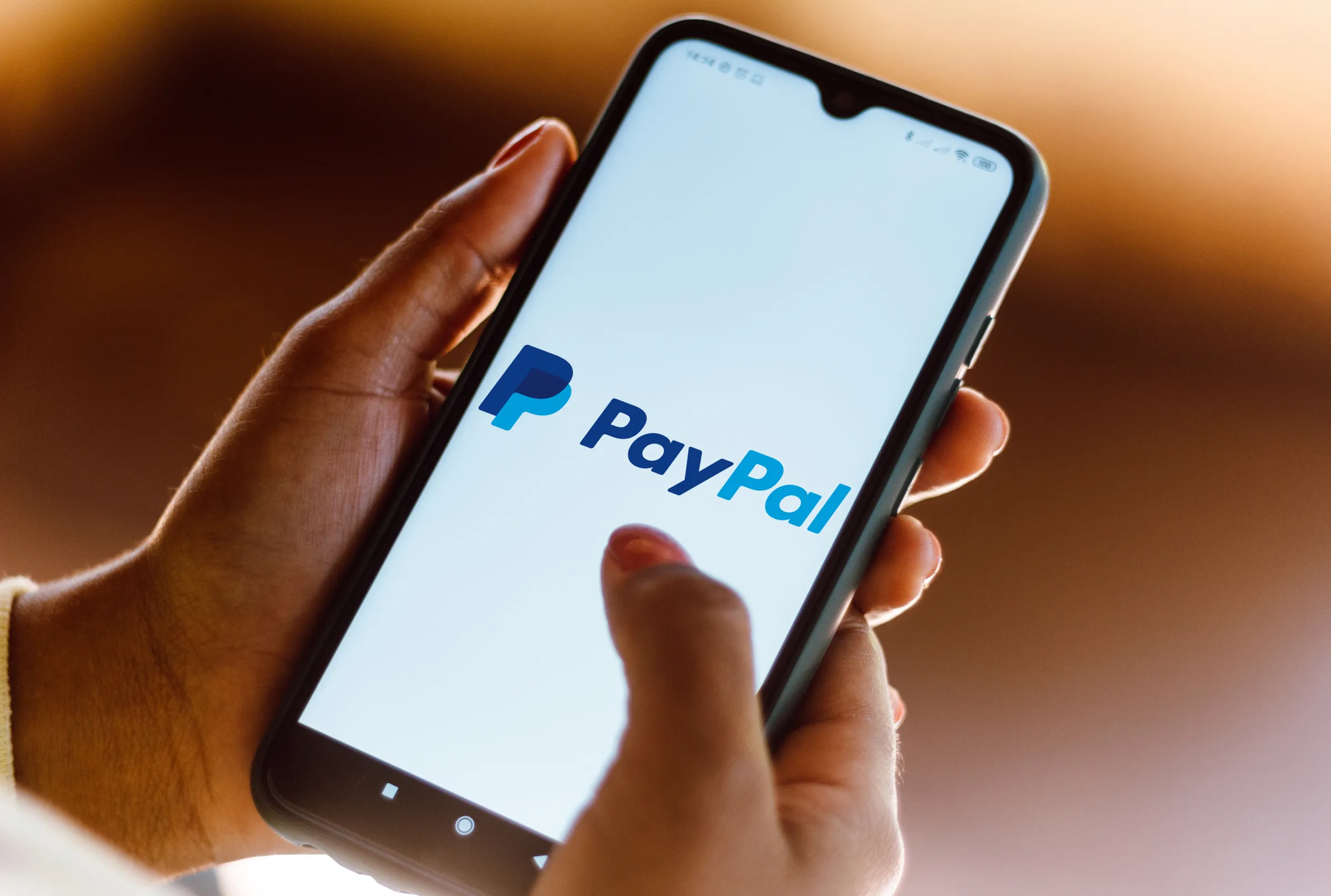
PayPal’s slowdown is starting to feel like something much bigger than a weak quarter on Wall Street. The backlash building around the company has become increasingly personal.
After investors reacted badly to slowing growth in PayPal’s checkout business, many of the strongest reactions online focused on something far more familiar to ordinary users: refund disputes, hacked accounts, frozen balances, customer-service frustration, and a growing sense that large payment platforms no longer feel dependable when money gets tight.
For years, PayPal was one of those apps people used almost automatically. It felt simple, safe, and widely accepted across the internet.
That comfort is fading for some users now.
Many users described walking away from the platform entirely after bad experiences involving disputed purchases, fraud complaints, or account restrictions. The complaints followed a remarkably similar pattern, with a growing number of customers saying they no longer feel comfortable relying on PayPal for regular online purchases.
Some have shifted back toward traditional bank cards. Others say they have become far more selective about shopping online in the first place.
Buying habits tend to change quickly once budgets start feeling stretched. Online purchases that once felt automatic now get a second thought. Smaller subscription charges feel more irritating. Impulse spending slows down. People spend longer comparing prices and thinking about whether they actually need something before checking out.
Payment apps usually start showing those changes early. PayPal is also facing growing pressure from Apple Pay, Klarna, Affirm, Cash App, and other services competing for users who increasingly want faster checkout tools or installment-payment options built directly into phones and shopping apps.
But the problem for PayPal no longer looks like just a competition issue.
Many households still feel financially stretched despite inflation cooling from its peak. Borrowing remains expensive, everyday costs still feel uncomfortable for many families, and shoppers have become far less patient with companies when purchases go wrong.
And many users notice that immediately. When money feels easier, people usually shrug off frustrating customer-service experiences and move on. When budgets feel tighter, those same experiences start carrying more weight. Refund delays become more aggravating. Fees stand out faster. Losing access to money suddenly feels far more serious.
Several reactions focused less on technology and more on feeling financially exposed when something went wrong with a purchase.
That frustration is becoming harder to ignore across online shopping more generally.
Buy now, pay later services like Klarna and Affirm exploded during the years when cheap money and easy online spending fueled aggressive growth. Now many shoppers are using installment plans simply to make monthly budgets feel more manageable.
At the same time, loyalty toward large financial platforms appears weaker than it once was. Many users are becoming quicker to abandon services after bad experiences instead of sticking with brands out of habit.
People used PayPal automatically for years because online spending felt easier and financial strain felt lower. Now more households are watching expenses carefully, thinking harder before making purchases, and becoming less willing to rely on companies that no longer feel reliable when problems happen.
Buying things online no longer feels quite as automatic for many households — and companies that built their growth around effortless digital spending are beginning to feel that shift.