PayPal helped define online checkout for an entire generation of internet shoppers, but the company is now facing growing pressure from Apple Pay, Klarna, Affirm, and a wave of payment tools that are reshaping how people buy things online.
The company’s biggest problem is no longer profitability. It is relevance.
PayPal’s branded checkout business — the familiar payment button that once dominated online shopping — has slowed sharply at a time when digital payments, mobile commerce, and installment-based purchasing continue expanding across the broader industry.
Online checkout habits are evolving quickly.
Why PayPal’s Growth Is Slowing
PayPal’s branded checkout growth rose just 1% to 2% in recent quarters, alarming investors who expected stronger momentum from one of the most recognizable names in digital payments.
The slowdown hit particularly hard because branded checkout remains PayPal’s most profitable business. Analysts say the company earns far more revenue when users actively choose the PayPal button during checkout compared with many of its other services.
Investors have become increasingly worried that users are no longer defaulting to PayPal the way they once did.
More purchases now happen directly through smartphones, apps, social platforms, and embedded checkout systems where payment options are already built into devices. The traditional process of manually selecting a separate checkout button matters less than it did during the earlier years of e-commerce growth.
How Apple Pay Changed Online Checkout
One of the biggest pressures on PayPal has come from Apple Pay.
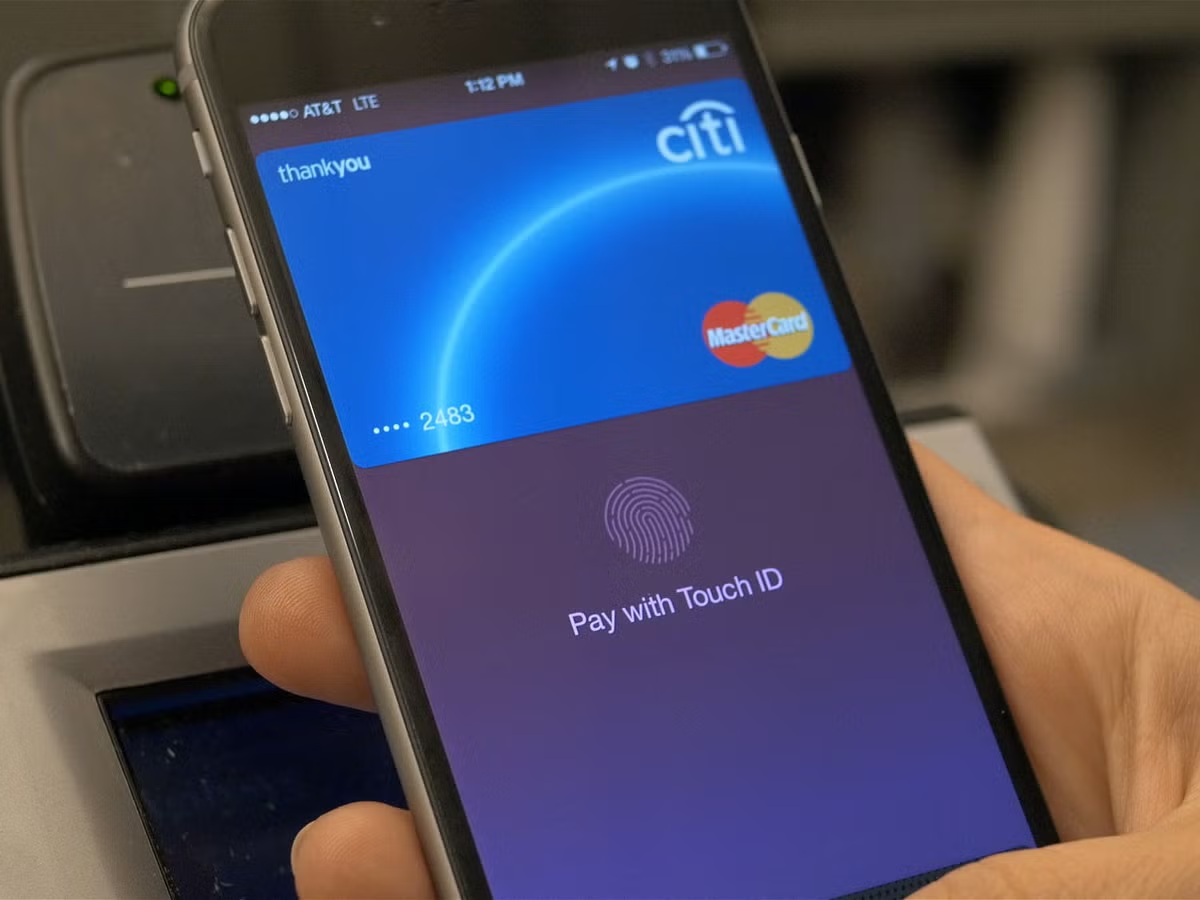
When Apple launched Apple Pay in 2014, it gradually changed how users interacted with online payments by allowing them to store cards directly inside their phones and approve purchases with Face ID or fingerprints.
That removed friction from online checkout. Instead of logging into a separate payment service, purchases could be completed instantly through devices shoppers were already using. Analysts say that convenience became especially powerful as mobile shopping accelerated during and after the pandemic.
Speed and simplicity are starting to matter more than familiar payment brands.
Younger users in particular have grown comfortable using payment systems built directly into phones and apps rather than standalone financial platforms. And mobile behavior changed faster than many payment companies expected. Apple Pay’s market share has now overtaken PayPal in several online checkout categories, according to analysts cited in recent reports.
Google Pay, Cash App, Zelle, and Shopify-integrated checkout systems have also intensified competition across digital payments.
Why Buy Now, Pay Later Services Are Growing
At the same time, installment-payment services like Klarna and Affirm have altered how many people approach online shopping.
Buy now, pay later platforms became extremely popular during years of heavy online spending and low borrowing costs. Their growth has continued even as households became more selective about purchases and more careful with monthly budgets.
Installment plans are now increasingly used for routine purchases, not just expensive items. Some shoppers are spending longer comparing prices across apps, leaving online carts unfinished, delaying upgrades, or splitting purchases into installments instead of paying upfront. That behavior is especially visible on mobile.
PayPal has introduced its own buy now, pay later products, including Pay in 4 and monthly installment plans, but competitors like Affirm and Klarna built much of their identity around installment-based shopping from the beginning.
That helped them connect strongly with younger online shoppers and mobile-first spending habits.
Consumers Are Becoming More Selective With Spending
The pressure on PayPal also reflects a broader change in spending behavior.
Several recent reports suggest households are becoming more deliberate about discretionary purchases. Spending has not collapsed, but many people are comparing prices longer, delaying nonessential purchases, and looking for easier ways to manage monthly budgets.
McKinsey research published earlier this year found that users are increasingly relying on AI tools to compare products, research purchases, and evaluate pricing before buying.
Older checkout habits are becoming less automatic than they once were. As shoppers spend more time comparing options across apps, search tools, and AI-assisted recommendations, loyalty toward any single payment platform weakens. Patience with slower checkout systems, refund delays, and account restrictions also appears weaker than it was a few years ago.
What PayPal’s Slowdown Says About Online Shopping
PayPal’s struggles increasingly reflect how online shopping itself is evolving.
The internet economy that helped turn PayPal into a dominant financial platform was built around desktop browsing, standalone checkout buttons, and rapid growth in online spending. Today’s environment looks very different.
Consumers are shopping through smartphones, social platforms, AI-assisted recommendations, embedded payment systems, and installment-based checkout tools that feel faster and more flexible.
At the same time, many households are becoming more careful about discretionary spending as borrowing costs and everyday expenses remain elevated.
Faster checkout and built-in payment systems are starting to matter more than familiar payment brands.
PayPal still has enormous scale and one of the most recognizable names in online payments. But online shopping habits are evolving faster than many payment companies expected, and users are becoming far less automatic about how they spend money online.