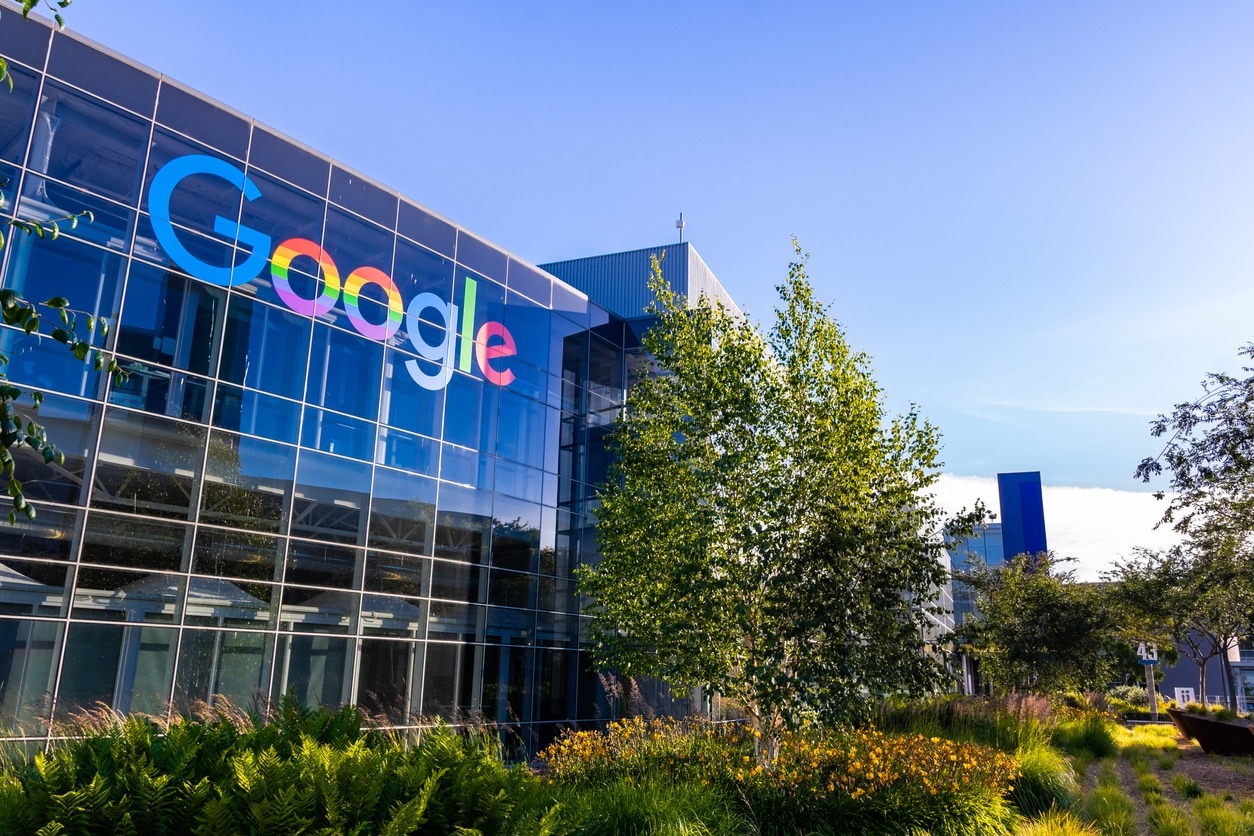
Federal prosecutors have accused a Google employee of using secret company data to make more than $1.2 million on prediction platform Polymarket, a case that is shining an uncomfortable spotlight on a booming industry built on trust.
As prediction markets attract more money and new users, the allegations are raising fears that people with privileged information could be cashing in before everyone else even knows the game has changed.
Federal prosecutors this week charged Michele Spagnuolo, a Google software engineer who authorities say used unpublished internal search trend data to place winning bets on Polymarket before Google's annual "Year in Search" rankings became public. According to prosecutors, the trades generated profits exceeding $1.2 million while the information remained confidential.
The allegations strike at a basic requirement for any financial platform: users must believe they are operating on a level playing field. Whether money is flowing into stocks, commodities or prediction contracts, participation depends on the assumption that no group has access to information hidden from everyone else. Once that assumption comes into doubt, people tend to become more cautious about where they place their money.
That challenge is becoming increasingly important as prediction markets move further into the mainstream. Platforms such as Polymarket have attracted growing interest from traders, investors and everyday users looking to speculate on political events, economic developments, sporting outcomes and breaking news. Supporters argue these markets can provide valuable forecasting signals. Critics have long warned that fast growth can create opportunities for abuse if oversight fails to keep pace.
According to the complaint, Spagnuolo allegedly adjusted his wagers as Google's internal search data evolved during the final months of 2025, allowing him to place bets based on information unavailable to the wider public. After Google's search rankings were released in December, prosecutors say the account generated significant profits. Investigators later traced cryptocurrency transactions linked to the activity.
Google confirmed it had placed the employee on leave and described the alleged conduct as a serious violation of company policies. The company said it was cooperating with law enforcement authorities.
Regulators are unlikely to view this as an isolated case. Prediction platforms have expanded rapidly, attracted larger pools of money and moved closer to the financial mainstream. That growth inevitably brings tougher questions about oversight, particularly when allegations emerge that insiders may have gained an unfair advantage.
The case also follows another recent insider-trading prosecution involving Polymarket. Last month, prosecutors charged a U.S. special forces soldier accused of using classified information to profit from contracts tied to events in Venezuela. The emergence of multiple high-profile cases within a short period is likely to increase scrutiny of how platforms identify suspicious activity and prevent users from exploiting privileged information.
The case arrives as prediction markets are handling larger sums of money and attracting closer attention from regulators who worry that insider advantages could undermine public participation before the industry fully matures.
For users, the question is simpler. If people believe some traders have access to information nobody else can see, they may become less willing to put money into the platform. For an industry built on participation and liquidity, that could become a growing challenge.
Polymarket has emphasized its cooperation with investigators and noted that blockchain transactions leave transparent records that can be traced. The company has also updated its rules to explicitly prohibit trading based on confidential information or information that could influence the outcome of an event.
The industry's growth story has largely been driven by expanding participation and rising interest in alternative forms of speculation. Cases like this threaten to shift attention toward a different question: whether the safeguards protecting these platforms are developing as quickly as the industry itself.
Prediction markets have spent the past two years proving they can attract money and attention. The next test may be proving they can keep the trust that growth depends on.