The U.S. Treasury on Friday imposed sanctions on a network accused of shipping hundreds of millions of dollars worth of Iranian liquid petroleum gas disguised as Omani fuel to buyers across South and East Asia. The move expands Washington's effort to cut off Iranian revenue streams while adding fresh compliance and financing challenges for companies operating across global trade and energy markets.
While the measures are aimed at cutting off revenue streams linked to Iran, they also highlight how increasingly complex trade and financial networks are becoming for companies operating across borders.
The Treasury Department's Office of Foreign Assets Control (OFAC) announced sanctions against a network accused of shipping hundreds of millions of dollars' worth of Iranian liquid petroleum gas while disguising its origin and moving funds through front companies, foreign accounts and exchange houses designed to evade existing restrictions. The action targets individuals, companies, vessels and financial operators spread across multiple jurisdictions.
For governments, the objective is straightforward: restrict access to revenue that can support sanctioned activities. For banks, traders, shipping companies and insurers, the announcement is another reminder that international commerce is becoming more difficult to navigate as financial enforcement expands into new parts of the global economy.
Every new layer of sanctions enforcement creates additional friction throughout trading networks. Banks respond by tightening screening procedures. Shipping firms increase compliance checks. Commodity traders conduct deeper investigations into cargo origins and counterparties. Transactions that once moved quickly can take longer, cost more and attract greater scrutiny.
Few consumers will notice the sanctions directly, but many of the costs created by tighter controls eventually find their way into supply chains, financing decisions and the prices companies pay to operate.
The consequences often extend well beyond the intended targets.
Financial institutions face substantial penalties if they are found to have facilitated prohibited transactions, leading many to adopt increasingly cautious approaches. Treasury warned that foreign companies and financial institutions facilitating sanctioned activity could face exposure to secondary sanctions, a threat that frequently encourages firms to reduce risk wherever possible.
Businesses operating internationally may find payment routes becoming more complicated. Importers and exporters can face longer settlement times. Smaller firms, which often lack dedicated compliance teams, can find themselves carrying higher administrative costs simply to maintain access to overseas markets.
The sanctions also reach into energy supply chains.
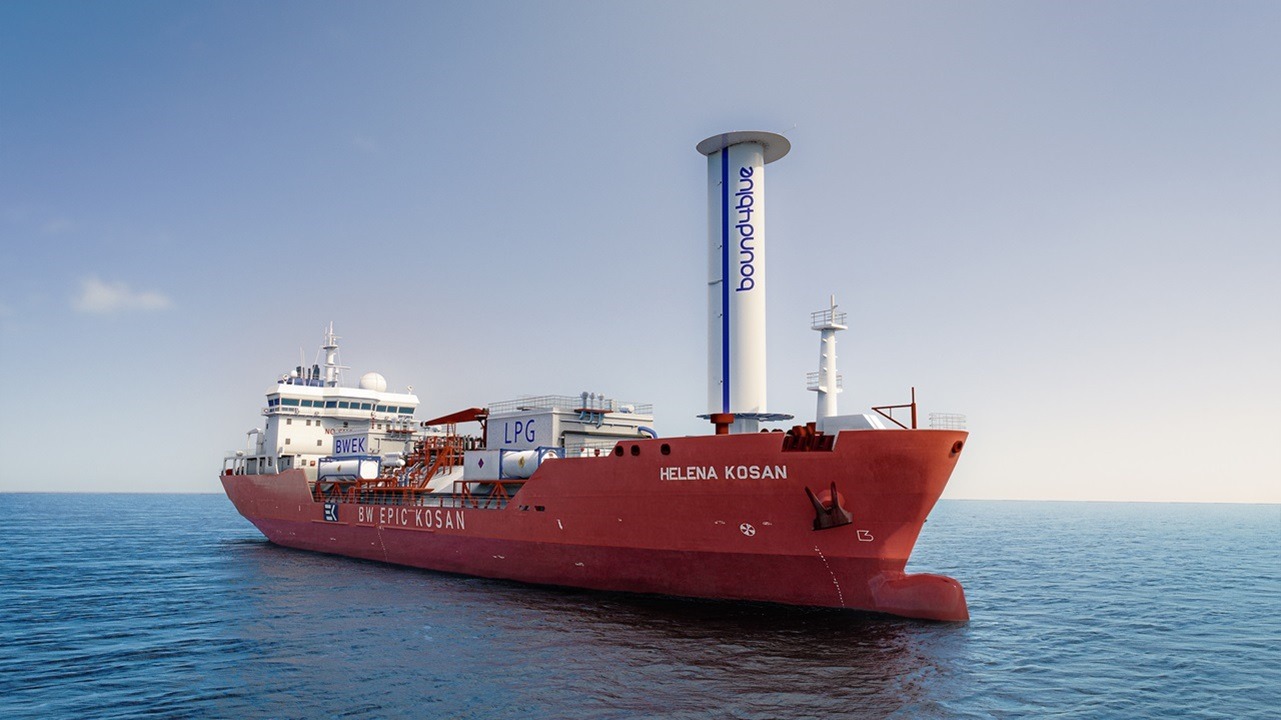
According to Treasury, the targeted network was involved in moving large volumes of Iranian LPG into South and East Asian markets through a web of front companies and vessels. Several tankers and shipping operators were designated as part of the action.
Energy markets are far larger than any single sanctions programme, but restrictions on supply channels still influence market behaviour. Buyers often seek alternative suppliers. Traders reassess risk exposure. Insurers and lenders examine transactions more closely. Each adjustment introduces additional cost and uncertainty into a system that depends on the smooth movement of fuel, commodities and capital.
The move comes as many companies are already becoming more defensive about spending, investment and expansion.
Many firms have grown more selective about where they deploy capital as borrowing costs remain elevated and growth slows in parts of the global economy. Investors have become increasingly sensitive to geopolitical disruptions, while management teams continue to reassess supply chains that have faced repeated shocks over recent years.
Against that backdrop, sanctions are evolving into something broader than a foreign-policy tool. They increasingly influence commercial decisions, investment strategies and banking relationships.
The sanctions are part of a broader shift that has been building for years. Authorities are no longer focusing solely on traditional banking channels. The department highlighted recent actions targeting cryptocurrency holdings, exchange houses, brokers, shipping fleets and other networks used to move funds outside conventional financial systems.
As enforcement expands, the response is becoming visible across financial markets and commercial activity. Some firms are taking longer to approve overseas deals, banks are scrutinising customers more closely, and investors are demanding a clearer understanding of geopolitical exposure before committing capital.
None of this suggests a breakdown in international commerce. Goods, fuel and capital continue to move around the world every day. But each new enforcement action adds another layer of complexity to a trading environment that many companies already view as more fragmented and less predictable than it was a decade ago.
The sanctions target specific actors, yet the effects travel much further. As banks tighten controls, insurers reassess exposure and companies become more cautious about where money, energy and goods move, cross-border commerce becomes harder and more expensive to navigate. For firms already facing slower growth, narrower margins and more cautious customers, another challenge has landed on desks already crowded with economic uncertainty.