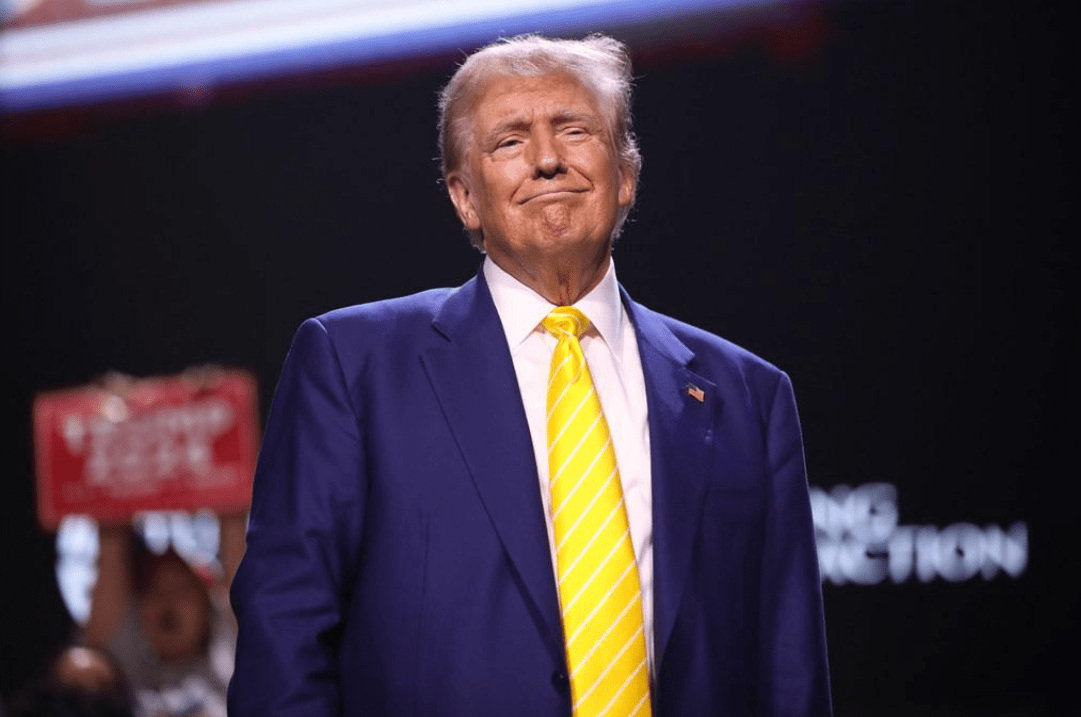
The political influence of Donald Trump has rarely been limited to the borders of the United States. Whether admired or criticized, his actions, statements, and policy decisions have consistently generated discussions across Europe, Asia, the Middle East, and beyond. As global leaders, investors, and ordinary citizens watch developments in Washington, it is clear that the direction of American leadership continues to play a major role in shaping international affairs.
Trump’s political style has always differed from that of traditional American politicians. His direct communication, frequent use of social media, and willingness to challenge long-established diplomatic norms have made him one of the most recognizable political figures in the world. Supporters argue that this approach allows him to speak openly about issues that many politicians avoid, while critics believe it can create uncertainty in international relations.
One of the most significant aspects of Trump’s influence is his focus on national interests. Throughout his political career, he has emphasized policies designed to prioritize American economic growth, domestic manufacturing, and border security. These priorities have often led to debates with international partners regarding trade agreements, military commitments, and economic cooperation.
Trade policy remains one of the areas where Trump’s impact has been most visible. During his presidency, he pursued tariffs and renegotiated several trade arrangements, arguing that existing agreements did not sufficiently benefit American workers. The effects of these policies were felt globally, influencing supply chains, manufacturing strategies, and investment decisions. Businesses around the world closely monitored developments, recognizing that changes in U.S. trade policy could affect industries far beyond American borders.
The relationship between the United States and China has also remained a central topic in global discussions surrounding Trump. Economic competition, technological development, and geopolitical influence have transformed U.S.-China relations into one of the most important strategic relationships of the modern era. Many analysts believe that policies introduced during Trump’s administration accelerated a broader shift toward increased competition between the two countries, a trend that continues to shape international politics today.
European leaders have also paid close attention to Trump’s positions on defense and security. His calls for increased military spending among NATO members sparked extensive debate across the continent. While some governments agreed that European countries should contribute more to collective defense, others expressed concerns about potential changes in long-standing alliances. Regardless of political perspectives, Trump succeeded in bringing discussions about defense funding and strategic responsibility to the forefront of international policy conversations.
Beyond economics and security, Trump’s influence extends into public discourse itself. Political movements around the world have studied his communication strategies, campaign methods, and ability to connect directly with voters. His success demonstrated the growing importance of digital media, personal branding, and alternative communication channels in modern politics. As a result, political campaigns in numerous countries have adapted their approaches to better engage audiences in an increasingly online world.
At the same time, global markets often react strongly to developments involving Trump. Financial institutions, investors, and multinational corporations understand that political uncertainty can have immediate economic consequences. News related to elections, policy proposals, or diplomatic negotiations frequently influences stock prices, currency markets, and investor sentiment. This connection between politics and economics highlights how closely intertwined global systems have become.
Interestingly, changing media consumption habits have played a major role in how international audiences follow political developments. People today have access to information from countless sources, allowing them to compare perspectives from different countries and viewpoints. The demand for real-time updates has transformed the way news organizations operate, while online entertainment and digital platforms continue to compete for public attention. In this rapidly evolving environment, many consumers alternate between following political headlines and exploring digital entertainment options such as live casino games, streaming services, and interactive media experiences.
The Middle East represents another region where Trump’s policies generated significant international discussion. Diplomatic initiatives, economic partnerships, and strategic agreements introduced during his administration were closely examined by governments throughout the region. Some observers viewed these efforts as important steps toward regional cooperation, while others questioned their long-term sustainability. Regardless of perspective, the decisions made during this period continue to influence discussions about security and diplomacy.
Immigration policy has likewise remained a defining element of Trump’s political identity. Debates surrounding border control, national sovereignty, and migration management resonate far beyond the United States. Many countries face similar challenges and have closely observed American policy developments when considering their own approaches. As migration remains a major global issue, discussions initiated during Trump’s political career continue to have relevance internationally.
Another important factor is Trump’s ability to dominate news cycles. Few political figures have demonstrated a comparable capacity to remain at the center of public attention for extended periods. This visibility means that developments involving Trump often become international stories, regardless of whether they originate from domestic American politics. Journalists, analysts, and policymakers around the world regularly evaluate how these developments might influence diplomatic relationships, economic conditions, or public opinion.
Looking ahead, the global significance of Trump’s political activities is unlikely to diminish anytime soon. The United States remains one of the world’s most influential nations, and its leadership decisions inevitably affect international markets, alliances, and strategic priorities. Whether through trade policy, security cooperation, or diplomatic engagement, Trump’s role in shaping political discussions continues to extend well beyond American borders.
As the world navigates an increasingly complex geopolitical landscape, understanding the impact of influential leaders remains essential. Donald Trump’s presence in global politics serves as a reminder that decisions made in one country can have far-reaching consequences across continents, influencing economies, governments, and societies in ways that are felt around the world.