Not long ago, sending money meant one thing: walking into a bank. You handed over forms, waited several business days, and paid fees nobody ever properly explained. That system still exists. But honestly, it has been left behind by something much better.
Today you can move money across the world from your couch. In seconds. And the tools doing this are no longer reserved for tech-savvy people or wealthy investors.
Why the Old System Is Losing Ground
Banks were designed for a world that no longer exists. When most people lived and spent in one place, the system worked well enough. That is rarely the case today.
People work for clients in other countries. They support families spread across different continents. They shop on platforms based halfway around the world. And through all of this, traditional banks still charge high fees for international transfers and take days to process them. For the roughly 1.4 billion adults globally who do not have a bank account at all, the system offers nothing. That is a big gap, and newer financial tools have stepped into it.
What Digital Money Transfer Actually Means
It is not one single thing. At the basic level, apps like PayPal or Wise let you move money between accounts without visiting a branch. Go a step further and you have crypto and blockchain-based tools that bypass the banking system entirely.
A growing number of people now use the option to send crypto to bank account directly, where digital assets get converted into local currency and deposited straight into the recipient's account. The appeal is real. It sidesteps the currency conversion delays and the correspondent banking fees that quietly chip away at every international transfer.
Getting Familiar With Crypto and How It Moves
Crypto has a reputation for being complicated. A few years ago, that reputation was mostly earned. Now it is a bit outdated. People use crypto today for practical, everyday purposes, including sending money abroad or holding value outside of traditional currencies.
If you are just getting started, spending some time with cryptocurrency trading explained content is genuinely worth it. Knowing how digital asset markets function, what influences prices, and how to read the basics gives you a solid footing before you start moving any real money.
The Difference Between Sending and Trading:
These two things get mixed up a lot, so it is worth separating them. Trading is buying and selling crypto to profit from price changes. Sending crypto is just using it as a way to transfer value, similar to a wire transfer, but usually faster and cheaper.
Many people do both at different times. Some hold crypto as a longer-term asset while using stablecoins to send money internationally. Stablecoins are pegged to currencies like the US dollar, so there is no price volatility to worry about mid-transfer.
How Blockchain Makes All of This Possible
When you send crypto, that transaction gets recorded on a blockchain. Think of it as a shared digital ledger that nobody owns or controls. Because no single institution sits in the middle, transfers can happen around the clock, across any border, without needing a bank's approval.
That decentralized structure is the foundation of Web3. Looking into the advantages of the Web3 ecosystem starts to make clear why so many people are paying attention to decentralized finance right now. Faster settlements, lower costs, and real financial access for people who have historically been excluded from the banking system are all part of what is driving that interest.
What to Look for in a Transfer Tool:
Before committing to any service, whether traditional or crypto-based, a few things deserve a closer look:
- Fees: The headline rate can look small while the exchange rate margin quietly takes more. Look for transparent, upfront pricing with no hidden costs buried in the conversion.
- Speed: Instant settlement and three-business-day settlement are very different things. Know which one you are getting before you hit send.
- Coverage: Check that the service actually supports the destination country and that the recipient can receive funds through a payment method that works for them.
Staying Safe When Moving Money Online
The good news is that digital transfers are generally secure. A few habits make them even more so. Use platforms that offer two-factor authentication. Before confirming any crypto transaction, verify the wallet address carefully. There is no reversing a mistake in crypto. For larger amounts especially, stick to services that are regulated or have a well-established track record.
Before your first transfer, a few things worth remembering:
- Send a small test amount first when using a new platform. It takes a minute and saves potential headaches.
- Keep records of everything: dates, amounts, and who received what.
- Look into the tax rules for crypto transfers in your country. They differ widely and catching up on them early is much easier than dealing with them later.
The Bottom Line
Moving money in the digital age is not the complicated process it might seem from the outside. Whether you are paying someone abroad, helping family in another country, or just curious about where crypto fits into your financial life, the tools are there and they are more accessible than ever. Start with the basics, take it step by step, and you will find it is far more manageable than the old way ever was.
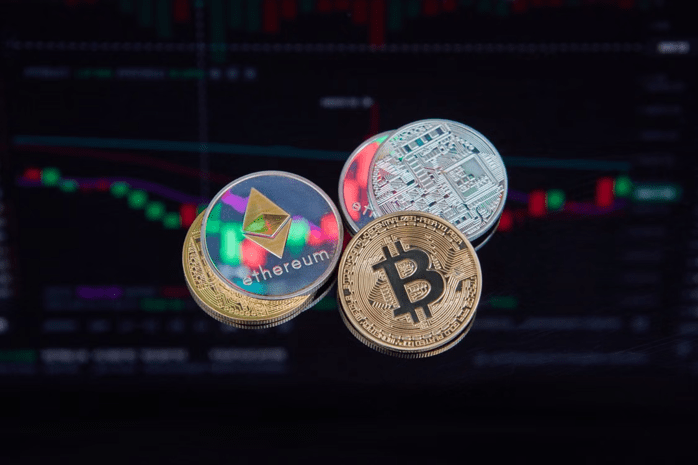
Main image credit: https://www.pexels.com/photo/coins-with-cryptocurrencies-symbols-on-the-background-of-graphs-7267598/