Netflix has evolved far beyond its roots as a DVD-by-mail service that quietly upended traditional television. Just this week, on December 4, 2025, the streaming giant stepped into the spotlight with a staggering move that could reshape Hollywood forever. Reports confirm Netflix has locked in exclusive negotiations to acquire Warner Bros. Discovery's film and television studios, along with its streaming platform including HBO Max. This isn't a side bet, it's a full-throated play for dominance in an industry still reeling from years of disruption and consolidation.
The deal values the assets at approximately $28 to $30 per share, pushing the total price toward $70 billion to $75 billion. Netflix sweetened the pot with a $5 billion breakup fee, a bold signal of commitment that underscores the high stakes involved if regulators step in. Imagine the rush of adrenaline for Netflix executives, knowing success could hand them the keys to some of entertainment's most cherished treasures, while failure might sting with that massive penalty.
What’s Happening: The Deal, the Price & the Stakes
At its core, this acquisition targets Warner Bros. Discovery's creative engines, the Warner Bros. studios and HBO Max streaming service, while leaving cable networks like CNN and TNT on the table. Netflix outbid heavyweights like Paramount and Comcast in a fierce auction, emerging as the frontrunner with an all-cash offer that speaks to its war chest of subscriber cash flow.
Success here would flood Netflix with unmatched intellectual property. Think Harry Potter's wizarding world, the gritty depths of the DC Comics universe, and epic sagas like Game of Thrones alongside timeless gems such as Casablanca and The Sopranos. These aren't just shows or films, they represent cultural touchstones that have hooked generations, and owning them outright would let Netflix weave them into its global fabric without the hassle of expiring licenses.
For Netflix, this shift from content renter to studio owner feels like coming full circle, a move that could lock in long-term growth amid slowing subscriber adds. Yet the emotional weight hits hard, too, evoking a mix of triumphant ambition and the quiet fear of overreaching in a town built on dreams and dealmaking pitfalls.
Netflix considers a high-stakes acquisition of Warner Bros. Discovery, signaling a potential multi-billion-dollar expansion in Hollywood.
Why Hollywood & Theaters Are Freaking Out
The ripples from this potential merger are already crashing through Hollywood's fragile ecosystem. The Directors Guild of America has raised alarms, expressing deep worries that funneling so much creative power into one entity might stifle competition, erode artistic variety, and limit chances for emerging directors and performers.
Theater chains, united under groups like Cinema United, see an existential threat looming large. They fear Netflix's streaming-first ethos could gut theatrical releases, starving multiplexes and indie screens alike of fresh blockbusters. Picture small-town cinemas, those community hubs where families gather for popcorn and escapism, suddenly facing shuttered doors and lost jobs. The backlash carries a raw undercurrent of desperation, as if the magic of shared movie nights hangs by a thread in this streaming showdown.
Matthew Dolgin, CFA at Morningstar, captures the tension with a stark warning that adds a financial chill to the creative storm. "At any realistic price, we think a Netflix deal for Warner Bros. assets would be value-destructive," he noted, highlighting how the euphoria of empire-building might mask deeper economic fractures. His words resonate with a sobering realism, reminding us that behind the glamour, real livelihoods and legacies are on the line.
The Financial Angle — What Netflix Will Pay, What It Might Earn
Financially, this is no small wager for Netflix, which would shell out $70 billion to $75 billion in a transaction dwarfing past media megadeals. That $5 billion breakup fee looms as both shield and sword, protecting Warner Bros. Discovery while exposing Netflix to a gut punch if antitrust watchdogs bark too loudly.
On the upside, the payoff could be transformative. Netflix would inherit a vault of evergreen content, slashing costs on third-party deals and supercharging subscriber loyalty with exclusive access to Warner's crown jewels. Controlling franchises means monetizing everything from spin-off series to merchandise empires, potentially juicing revenue streams in a world where streaming wars rage on.
Yet the human side tugs at you, the quiet thrill of Netflix betting its future on storytelling's soul, tempered by the very real chance that integration headaches could sour the victory. If executed with care, though, this could cement Netflix as the unassailable leader, turning today's bold stroke into tomorrow's enduring legacy.
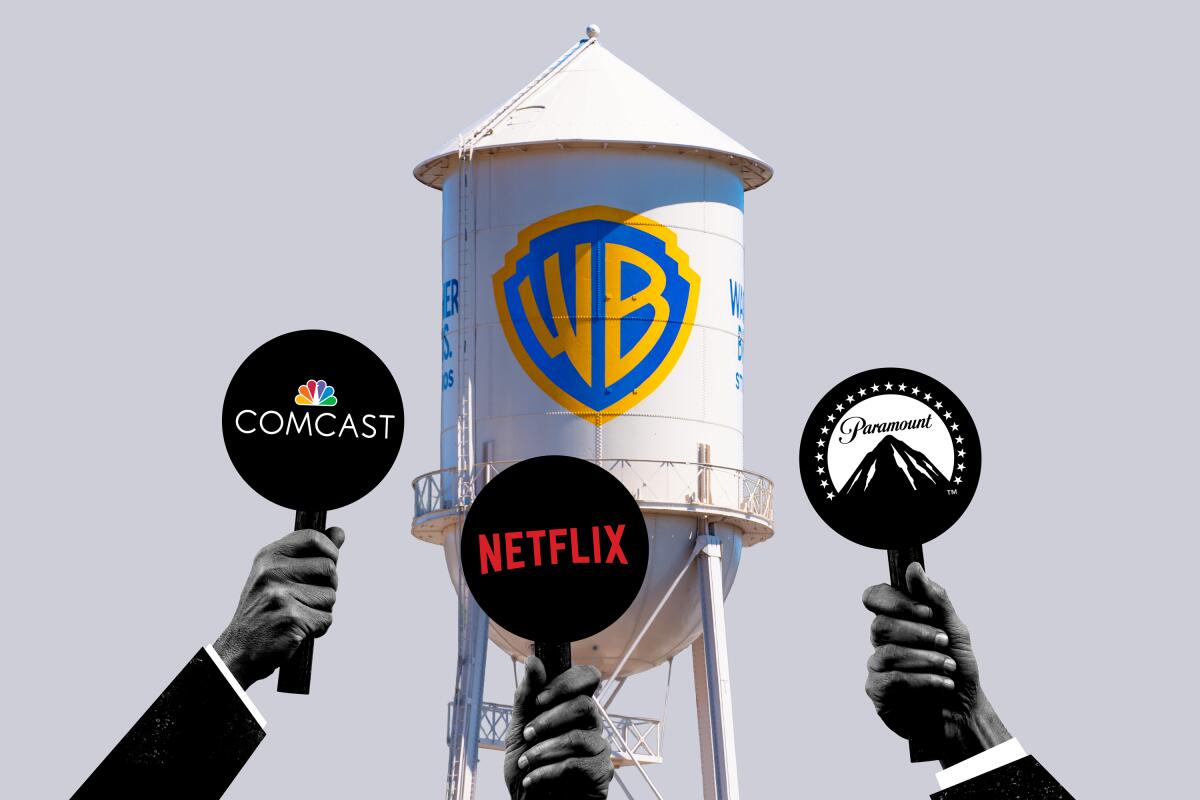
Warner Bros. Discovery faces a heated bidding war as Netflix, Comcast, and Paramount vie for control of the iconic studio and streaming assets.
What’s Next — Regulatory Roadblocks & Industry Fallout
Regulatory hurdles tower over this deal like storm clouds on the horizon. U.S. authorities, along with international bodies, are gearing up for rigorous antitrust reviews, zeroing in on how merging these titans might squeeze consumer options and inflate market power. Hollywood's advocacy machine is revving up, with the DGA scheduling talks and theater lobbies pressing for safeguards that protect jobs and traditions.
Inside Netflix, the integration puzzle demands finesse, blending Warner's storied studio culture with a tech-driven machine without sparking talent exodus or IP mishaps. The industry's pulse quickens at the thought, a blend of wary optimism and the electric buzz of change you can almost feel.
For everyday viewers, the horizon blurs with promise and peril. Seamless access to a richer library might streamline your binge sessions, but at what cost to the serendipity of stumbling into a film on the big screen? Netflix's gamble stirs a profound question about entertainment's soul, one where innovation clashes with heritage in a spectacle that's as riveting as any blockbuster.
Beyond the Buzz: What Viewers Really Want to Know
What Iconic Franchises Would Netflix Gain from This Warner Bros. Discovery Deal?
If the Netflix Warner Bros Discovery acquisition closes in 2025, subscribers could dive into an unparalleled trove of hits that define modern pop culture. Harry Potter's enchanting spells, the high-stakes heroics of DC superheroes like Batman and Wonder Woman, and the intricate political intrigue of Game of Thrones would all fall under Netflix's banner.
Add in HBO classics such as The Sopranos' mobster moralities and Succession's cutthroat family feuds, plus timeless films like Casablanca's romantic resilience. This windfall, valued at over $70 billion, wouldn't just expand the library, it would empower Netflix to craft fresh spin-offs, global adaptations, and merchandise tie-ins that keep these worlds alive for new generations, potentially drawing in millions more users eager for that next immersive escape.
How Might This Deal Impact Movie Theaters and Local Communities?
Theater owners and community advocates worry deeply about the Netflix Warner Bros Discovery deal's fallout on cinemas, fearing a swift pivot to streaming exclusives that could halve theatrical releases within years. Multiplex chains and cozy independents alike might see attendance plummet, leading to closures that ripple outward to nearby eateries, shops, and event spaces reliant on movie-night crowds.
Jobs for projectionists, ushers, and support staff could vanish by the thousands, eroding the social fabric of neighborhoods where theaters serve as gathering spots for dates, family outings, and local pride. While Netflix promises some hybrid releases, skeptics argue the incentives tilt heavily toward home viewing, urging regulators to mandate protections that preserve this irreplaceable cultural ritual for communities everywhere.
Will Regulators Approve the Netflix Warner Bros. Discovery Merger, and What Happens If They Don't?
Antitrust enforcers in the U.S. and Europe are scrutinizing the $70 billion to $75 billion Netflix Warner Bros Discovery deal with intense focus, weighing risks of reduced competition against arguments for innovation and cost savings. Approval might hinge on concessions like content-sharing mandates or divestitures, but blockage could trigger that $5 billion breakup fee and force Warner assets into alternative hands like Paramount.
If derailed, Netflix faces a strategic setback, redirecting billions to original productions, while Hollywood exhales in relief yet braces for further fragmentation. Either way, the outcome, expected in mid-2026, will echo through boardrooms and living rooms, deciding whether streaming's rise fortifies or fractures the diverse voices that fuel our shared stories.