Netflix's $72 billion offer to acquire Warner Bros Discovery, revealed last Friday, has quickly drawn sharp attention from President Donald Trump, who warned on Sunday that the combination could create significant market issues. This development comes amid growing calls for regulatory review, as the merger promises to combine vast content libraries but also raises questions about competition in the streaming sector.
The announcement follows weeks of speculation about Warner Bros' future, with Netflix emerging as the frontrunner over other interested parties. Trump's comments, delivered at a public event in Washington DC, add a layer of political weight to what could become a drawn-out approval process, keeping industry watchers and fans alike on edge for updates.
Trump's Comments Highlight Merger's Market Dominance Concerns
President Donald Trump voiced direct concerns about the deal during his appearance at the John F. Kennedy Center on Sunday, pointing out that Netflix's existing market position would expand considerably through this acquisition. He described the potential increase in market share as a clear issue, committing to a close personal review.
Trump also referenced his recent meeting with Netflix co-CEO Ted Sarandos, offering praise for the executive's contributions to the film industry while underscoring the need for careful oversight. This personal involvement stands out in antitrust discussions, which typically focus on economic data rather than high-level political input.
Former FTC chair Bill Kovacic addressed this in a recent BBC discussion, noting that such engagement from the executive branch shifts the focus from standard technical evaluations to broader policy considerations. For those following the entertainment sector, Trump's stance serves as a practical reminder of how external influences can shape major business moves.
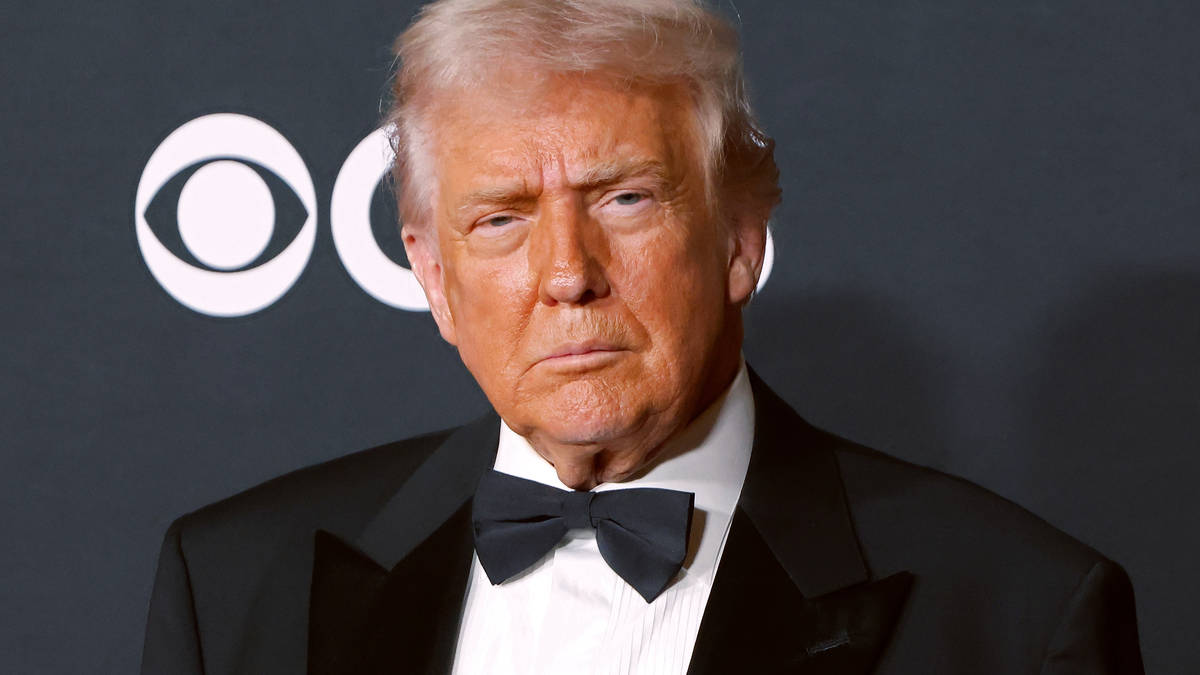
US President Donald Trump raises concerns over Netflix’s $72 billion acquisition of Warner Bros at a recent black-tie event in Washington DC.
The Acquisition's Scope: Key Assets and Strategic Timing
This merger would integrate Warner Bros' extensive portfolio of films and series with Netflix's global platform, providing access to franchises such as Harry Potter, The Matrix, and Lord of the Rings, alongside HBO's acclaimed shows like Game of Thrones. Netflix, which started as a mail-order DVD service in 1997, continues to build its lead in subscription streaming through targeted expansions like this one.
The plan aligns the deal with Warner Bros' scheduled business separation in the second half of 2026, allowing for smoother operational alignment and content sharing across platforms. Blair Westlake, former chair of Universal Studios' television and networks division, outlined the dynamics in a recent analysis, explaining that the overlap between Netflix's distribution strengths and HBO's production capabilities is likely to prompt regulatory questions, though he anticipates eventual approval with certain adjustments.
Bank of America analyst Jessica Reif Ehrlich shared her perspective in a client note this week, stating that the acquisition would effectively consolidate power in streaming to an extent that alters the competitive balance for years ahead, a view that resonates with the quiet frustration many in the industry feel about ongoing market shifts. Her assessment adds a grounded financial lens to the excitement around potential content synergies.
Industry and Labor Groups Voice Opposition to Consolidation
Labor organizations, including the Writers Guild of America, have moved fast to challenge the merger, citing risks to employment, compensation, and creative output in their statement released over the weekend. They argue that combining the two largest players in streaming undermines the principles behind antitrust protections, potentially leading to higher costs for viewers and fewer opportunities for diverse storytelling.
These objections build on experiences from earlier industry mergers that reduced roles and limited project variety, affecting everyone from writers to production staff. Netflix outbid competitors like Comcast and Paramount Skydance, the latter led by CEO David Ellison, whose family connections to political figures add another angle to the negotiations.
At its base, this pushback reflects a broader commitment to preserving a vibrant workforce, one that values the contributions of individuals who bring fresh ideas to screens large and small.
Regulatory Path Ahead: Balancing Innovation and Competition
The US Justice Department's antitrust team now holds the key, with expectations of a detailed examination into the combined company's influence on the streaming market and its effects on smaller competitors. Netflix co-CEO Ted Sarandos addressed shareholders earlier this week, expressing confidence that the merger strengthens the company's long-term position despite the hurdles.
Trump's input, combined with input from figures like Senator Elizabeth Warren who called it a monopoly risk, suggests that concessions may be necessary to move forward. For consumers, the focus remains on how this resolves, weighing expanded options against concerns over pricing and choice in an increasingly concentrated field.
Netflix considers a high-stakes acquisition of Warner Bros. Discovery, signaling a potential multi-billion-dollar expansion in Hollywood.
Deal Dilemmas Decoded: Key Queries on the Netflix-Warner Merger
Will Trump's Involvement Likely Block the $72 Billion Acquisition?
Trump's promise of direct scrutiny introduces a political element uncommon in merger reviews, which could lead to stricter conditions or delays as agencies navigate executive preferences. Bipartisan criticism, such as Warren's recent statement on monopoly dangers, further complicates approval odds, with current forecasts from platforms like Polymarket showing only about 23 percent chance of clearance by late 2026. While Sarandos' rapport with Trump offers some buffer, the emphasis on market share limits means divestitures or other remedies might secure passage, ensuring the deal advances but in a modified form that addresses competitive worries.
What Major Warner Bros Properties Would Boost Netflix's Offerings?
The deal would deliver Netflix an array of high-value assets, including the expansive Harry Potter universe, the innovative Matrix series, enduring Looney Tunes animations, and the sweeping Lord of the Rings adaptations, plus HBO staples like Succession and The Last of Us. These elements span generations of hits and awards, enabling Netflix to develop interconnected series that attract broader audiences and retain subscribers longer. Regulatory bodies may require safeguards to maintain variety, but the core integration promises a richer catalog that keeps viewers engaged across devices and borders.
Might This Merger Jack Up Your Monthly Streaming Tab?
Mergers like this often result in adjusted pricing as companies recover costs from the $72 billion investment and regulatory stipulations, potentially adding a few dollars to Netflix plans while introducing bundled HBO access. Past deals, such as Disney's Fox acquisition, saw similar upticks that frustrated subscribers, though efficiencies could offset some increases with enhanced value like exclusive franchise drops. Antitrust oversight might enforce affordability measures, such as tiered options or content carve-outs, to prevent excessive hikes and foster a market where innovation drives deals rather than dominance.