Samsung’s 20 Trillion Surge: AI Memory Boom and the Consumer BoM Crisis
Capital market gravity has shifted decisively toward the "AI Factory" infrastructure play. Samsung Electronics’ projection of a 20 trillion won ($13.8 billion) operating profit for Q4 2025 represents a 208% year-over-year surge, marking a definitive end to the semiconductor glut. This record-breaking liquidity event is driven by a structural undersupply of Dynamic Random-Access Memory (DRAM), where contract prices have rocketed by 313%. For institutional investors, Samsung is no longer a diversified consumer electronics play; it is effectively a Tier-1 infrastructure proxy.
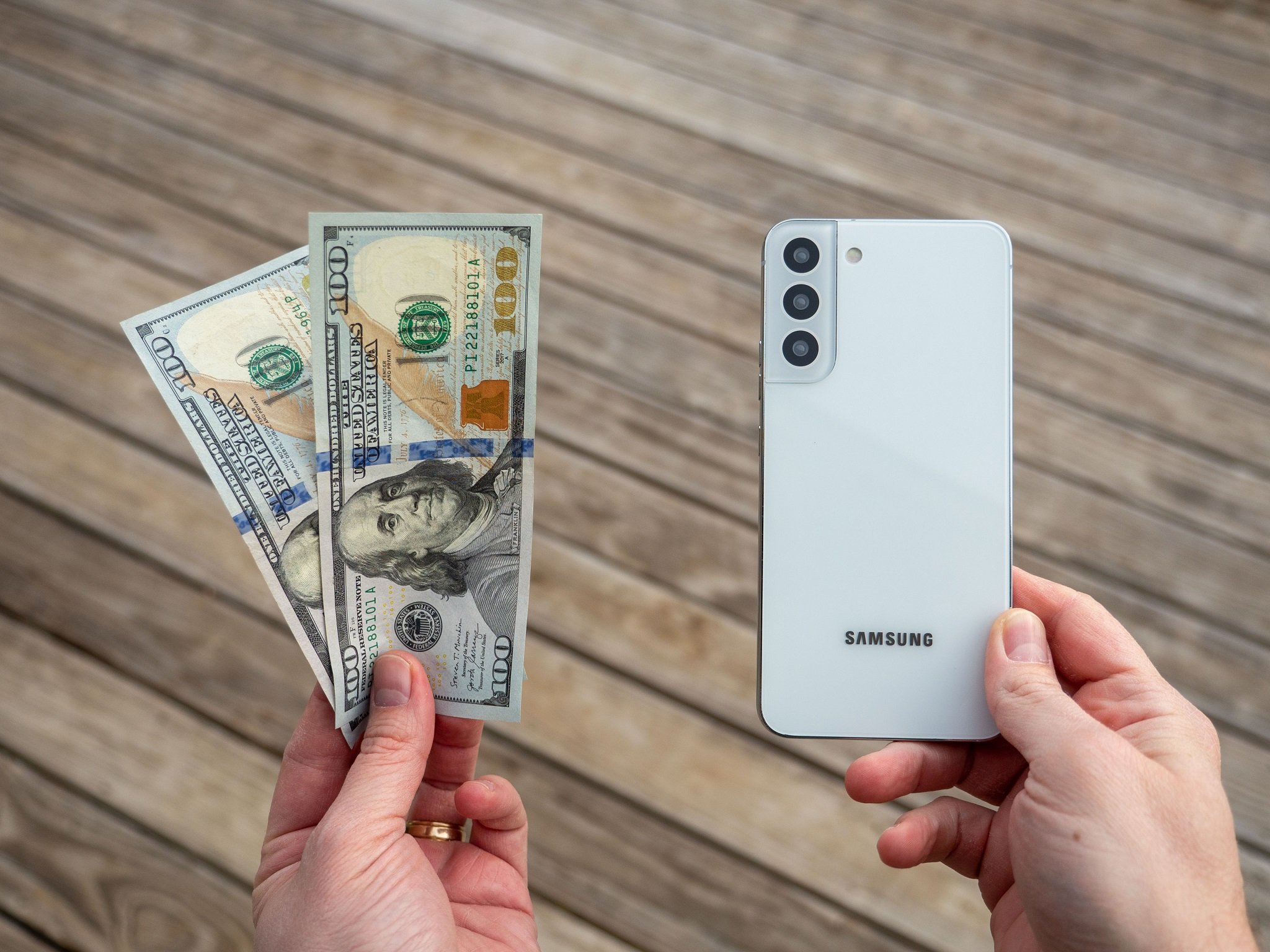
Profitability benchmarks for the smartphone and PC sectors are facing a terminal squeeze. While Samsung’s semiconductor division captures the lion’s share of gains, its mobile business struggles with rising component liabilities. The Bill of Materials (BoM) for high-end smartphones has jumped by 10-15% as memory makers prioritize high-margin AI servers over consumer hardware. This creates a "CFO Blindspot," where record-high chip profits act as an indirect “tax” on the margins of downstream device manufacturers.
DRAM market capitalization is on track to hit $311 billion by 2026. This represents a sixfold increase from 2023 levels, according to Macquarie Equity Research. The shift is powered by "Hyperscalers" such as Microsoft, Google, and Meta, who are paying unprecedented premiums to secure High-Bandwidth Memory (HBM). Corporate treasurers at these firms must now manage a high-velocity cash burn to maintain competitive positions in the AI arms race.
Equity volatility remains high despite the record-breaking P&L. Samsung shares retreated 1.6% immediately after hitting a session record high, as investors executed profit-taking strategies following a 155% one-year rally. This suggests that the "Institutional Velocity" of the AI boom is entering a phase of valuation recalibration. Analysts at LSEG note that while the earnings beat was decisive, the market is now pricing in the long-term sustainability of current price levels.
Operational scalability is now the primary jurisdictional chokepoint. Nvidia CEO Jensen Huang’s recent CES remarks confirm that the industry is entering a permanent "Fab Expansion" cycle. To maintain dominance, Samsung reportedly plans a 50% surge in HBM capacity for 2026. This requires a massive commitment of CapEx that will test the company’s ability to manage debt issuance and interest rate exposure in the coming year.
Consumer demand elasticity represents the looming second-order risk. Counterpoint Research warns that global smartphone shipments could shrink by 2.1% in 2026 as manufacturers pass memory costs onto consumers. If average selling prices (ASPs) rise too sharply, the "AI Boom" in the server room could trigger a "Demand Chill" in the retail sector. CFOs must determine if record semiconductor margins can survive a potential slowdown in the broader consumer ecosystem.
Capital Recovery & Asset Recapture
The 2026 semiconductor supercycle has transformed depreciation schedules into growth levers. Samsung’s 20 trillion won operating profit projection is not merely a cyclical peak; it reflects a permanent upward shift in Asset Valuation. Tier-1 investors are witnessing a "Recapture of Value" as older fabrication lines, once destined for write-downs, are retrofitted to produce high-margin conventional DRAM to fill the void left by HBM reallocation. Macquarie Capital suggests that the real "money engine" for 2026 is this conventional DRAM shortage, which is driving an ROI profile that eclipses the previous 2018 record.
Synergy realization between Samsung’s Foundry and Memory divisions is reaching a "Great Leap Forward" phase. By integrating its 4nm logic process into the HBM4 base-die, Samsung is reclaiming market share from SK Hynix and Micron. For M&A leads and institutional strategists, the ability to produce both the memory stack and the logic controller in-house provides a Creditworthiness advantage that single-play competitors lack. According to KB Securities, this vertical integration is the primary reason for a 27% upward revision in 2026 earnings estimates, targeting a potential 123 trillion won annual operating profit.
Liquidity Velocity & Settlement Friction
Settlement friction in the AI supply chain is being driven by "The Quality Approval Bottleneck." While demand is "terrific," the execution of 2026 contracts depends on final quality approvals from "Big Tech" anchors such as Nvidia (for the Rubin platform) and Google (for TPUs). TrendForce notes that while paid samples are already shipping, finalization of Q1/Q2 contracts involves massive Cash-Flow Friction, as billions in revenue remain "pending" until final silicon validation. This creates a temporary liquidity lag for Samsung despite record guidance.
Operational chokepoints are shifting from fab capacity to packaging density. The transition to HBM4 requires a 2048-bit wide I/O interface, which JPMorgan warns will cause significant "Transactional Execution Risk" for hardware architects. Every wafer dedicated to advanced packaging is a wafer denied to standard DDR5, creating a binary supply logic. For corporate treasurers at PC OEMs and smartphone giants like Xiaomi or Oppo, the Liquidity Velocity of their own products is at risk as they face 55-60% price hikes for "commodity" chips, forcing them to choose between margin compression or aggressive consumer price hikes.
The 2026 Outcome Matrix: The Memory Supercycle
| Legacy Funding Model | Strategic Trigger | 2026 Institutional Reality |
|---|---|---|
| Commodity-Based Pricing: Margins driven by volume and slow consumer replacement cycles. | The "AI Factory" Demand Shock: Jensen Huang’s (Nvidia) mandate for massive fab expansion. | Infrastructure-Level Pricing: DRAM contract prices up 313%; memory acts as a "tax" on all compute. |
| Diversified Revenue: Samsung’s mobile and display arms used to offset chip volatility. | BoM (Bill of Materials) Crisis: 25% surge in low-end smartphone component costs. | Chip-Dominant P&L: Semiconductor division accounts for 85% of total operating profit. |
| Incremental Capacity: Gradual Fab upgrades to match forecasted GDP growth. | The HBM4 "Great Leap": Samsung ramping HBM capacity by 50% to 250k wafers/month. | Strategic Hoarding: Lenders (JPMorgan, Goldman) see "Hyperscalers" locking in 2027 supply today. |
Institutional Intelligence: The "Supercycle" Perspective
-
Macquarie Capital: Forecasts the global DRAM market to hit $311 billion by 2026, roughly six times its 2023 size, driven by AI servers.
-
KB Securities: Raised Samsung’s target price to 180,000 Won, citing HBM market share growth from 16% (2025) to 35% (2026).
-
Goldman Sachs: Warns of a "Demand Chill" in smartphones as memory-driven BoM costs force a 6.9% increase in ASPs.
-
TrendForce: Projects conventional DRAM prices will rise 55-60% in Q1 2026, leaving non-AI industries (Automotive, PC) in severe supply deficit.
-
LSEG: Notes profit is at record highs, but the 155% rally makes Samsung vulnerable to institutional profit-taking if 2nm foundry yields falter.
Boardroom Recommendation: The "AI-First" Capital Realignment
The 2026 semiconductor landscape has shifted from cyclical recovery to a structural infrastructure monopoly. For Samsung’s C-Suite and institutional partners, the record 20 trillion won quarterly profit is a mandate for aggressive CapEx front-loading.
-
Strategic R&D Prioritization: Accelerate HBM4 validation to secure "Design Wins" with Nvidia and AMD. Transitioning from "fast-follower" to "architectural leader" is critical for long-term value.
-
Risk Mitigation via Pricing Power: Offset the BoM crisis in mobile and display divisions through aggressive memory export pricing and internalized supply chain cost control.
-
Liquidity Management: With the global DRAM market projected at $311 billion in 2026, treasury must prepare for massive "Fab Expansion" costs and manage debt issuance in a high-rate environment.
Institutional Exposure List
-
National Pension Service (NPS) of Korea: Largest domestic shareholder; influences corporate governance and dividend stability.
-
Samsung Life Insurance & Samsung Fire & Marine: Maintain the Samsung Group cross-shareholding structure.
-
BlackRock, Inc.: Drives ESG reporting and foundry yield transparency.
-
The Vanguard Group: Passive investor; rebalancing stabilizes record valuations.
-
JPMorgan Chase & Co: Advises on international debt issuance and credit facilities for Pyeongtaek P4 and Texas fab expansions.
-
Elliott Investment Management: Historically advocates structural changes to unlock shareholder value.
What Are People Asking?
Why did Samsung’s profit triple in 2026?
Samsung’s profit surged due to a combination of record-high DRAM and HBM memory prices, strong demand from AI servers, and tight global supply. The company captured the majority of these gains through its semiconductor division, which offset weaker growth in mobile and display units.
What is the current price of Samsung HBM4 chips?
While proprietary pricing is not publicly disclosed, Samsung’s HBM4 chips command a significant premium over standard DDR5 memory, reflecting their high demand in AI servers and data center applications. Analysts report contract prices rose over 300% in late 2025, with further increases projected.
How does the AI boom affect smartphone prices?
The AI-driven surge in memory prices has increased the Bill of Materials (BoM) for high-end smartphones by 10–15%. Manufacturers face a choice between absorbing margin compression or raising retail prices, which could lead to higher consumer costs.
Will the semiconductor shortage last through 2026?
Industry analysts, including TrendForce and Macquarie Capital, expect the memory undersupply to continue through 2026 as AI-driven demand for DRAM and HBM outpaces fab expansion. This structural shortage underpins high pricing and record profits.
Who is Samsung’s biggest competitor in HBM?
Samsung’s main competitor in high-bandwidth memory is SK Hynix. However, Samsung is increasing market share through its next-generation HBM4 architecture and vertical integration with its foundry division.
What is an "AI Factory"?
An "AI Factory," a term coined by Nvidia CEO Jensen Huang, refers to next-generation data centers optimized to train and run massive AI models. These facilities require high-performance memory like HBM, driving surging demand for DRAM and HBM chips.
How much did Samsung's memory prices increase?
DRAM contract prices rose 313% year-over-year in Q4 2025. TrendForce forecasts an additional 55–60% increase in conventional DRAM prices in early 2026, driven by AI server demand and constrained supply.
Is Samsung a good buy in 2026?
Despite record profits and a strong semiconductor business, Samsung stock has surged 155% over the past year. Investors should consider potential profit-taking, supply-chain risks, and foundry yield milestones before evaluating it as a buy.
Financial Insight: 👉Leverage, Liquidity, and the $108 Billion Brinksmanship for Warner Bros👈
High-Intent SEO Tags: #SamsungEarnings2026 #AIMemorySupercycle #HBM4MarketShare #SemiconductorStocks #SamsungElectronicsProfit #TechCapExAudit #DRAMPriceSurge