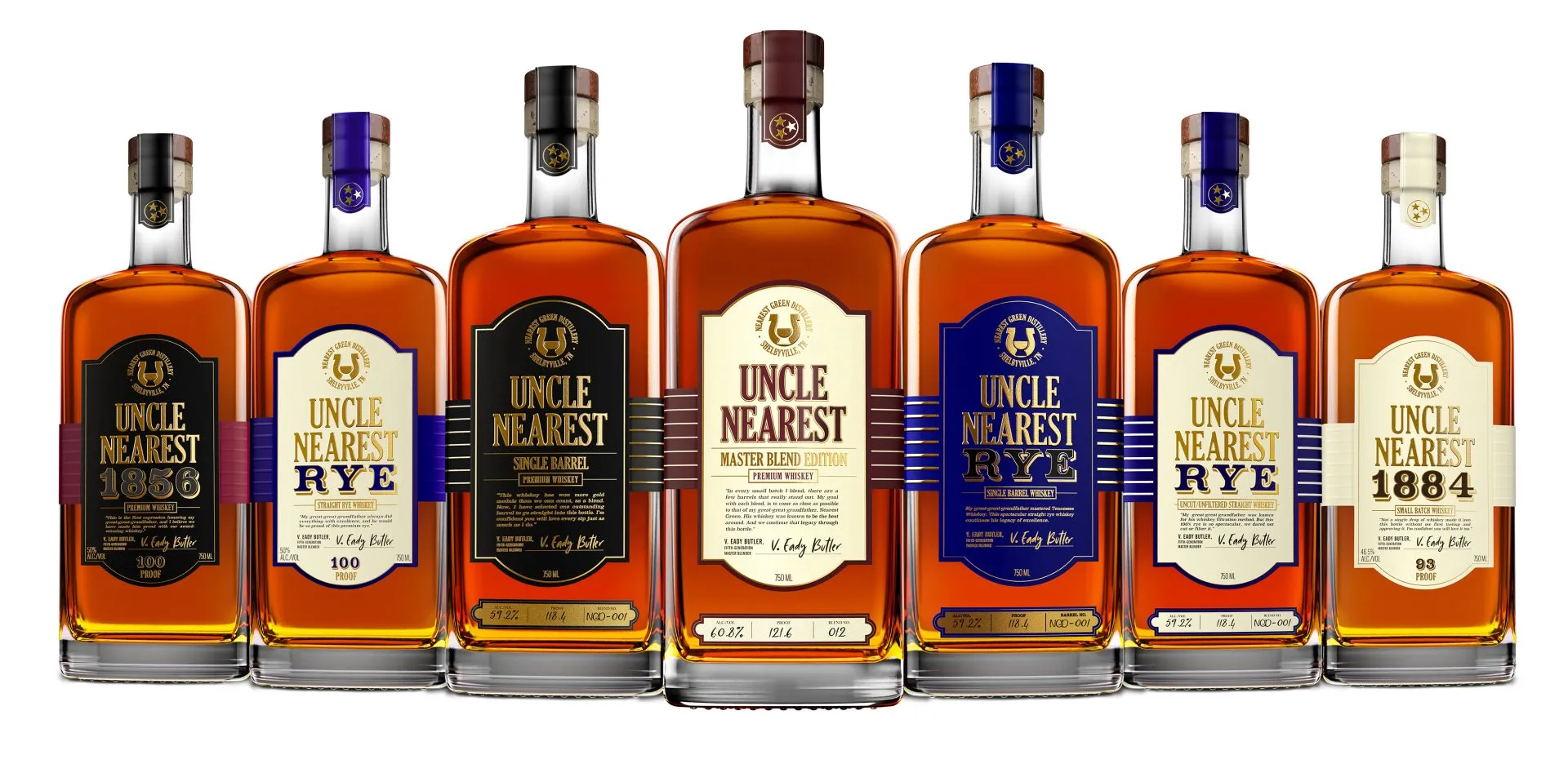
Uncle Nearest $100M Governance Default: Lessons in Receivership Risk
Systemic failures in financial oversight have turned Uncle Nearest from a high-growth spirits brand into a cautionary tale of governance collapse. The nine-figure dispute with Farm Credit Mid-America highlights the risk of concentrated executive authority in finance. When a single executive controls all reporting, the board’s fiduciary function is effectively neutralized, resulting in a loss of operational autonomy and exposure to receivership.
Liability exposure for founders and boards escalates when financial records are compromised or erased. The missing pre-2024 data at Uncle Nearest underscores a critical weakness in modern data governance protocols. Without historical audit trails, a company cannot defend its valuation or debt covenant compliance. This creates a "Control Vacuum," often filled by court-appointed managers, who prioritize creditor stabilization over founder vision.
Creditworthiness now hinges entirely on collateral transparency. Allegations that barrel inventory was overstated to secure a $100M loan demonstrate how inventory-based lending can become a balance sheet trap. Misrepresented asset figures empower lenders to trigger a “Governance Reset”, bypassing the board and placing the company under court supervision.
Settlement friction in the spirits market is now dictated by a court-mandated 13-week operating budget. The receiver’s jurisdiction over international assets shows that local financial mismanagement does not respect borders. The “CFO Blindspot” here was the reliance on internal spreadsheets for a nine-figure facility, illustrating a structural defect in risk management.
Statutory risk increases when the legal “Voice of the Company” is stripped from founders. The Tennessee court’s ruling that only the receiver may speak for the distillery represents total founder disenfranchisement, serving as a stark warning to M&A leads and corporate treasurers.
Timeline of the Uncle Nearest Receivership Crisis
-
July 2025: Farm Credit Mid-America sues Uncle Nearest for $100M+, alleging loan defaults and overstated whiskey barrel inventory.
-
August 2025: Tennessee Chancery Court appoints a receiver, transferring operational control from founders to a third-party manager.
-
Q3 2025: Receiver implements a 13-week operating budget, identifying a $2.5M shortfall in delinquent expenses and professional fees.
-
November 2025: Founders request lifting of receivership; court denies request to protect creditor stabilization.
-
December 2025: Founders file civil lawsuit against former CFO Michael Senzaki for alleged exclusive control of company finances and financial misrepresentation.
-
Early 2026: Receiver reports missing pre-2024 data, complicating asset valuation and reconstruction of historical performance.
This timeline illustrates how quickly concentrated finance authority, missing data, and lender disputes can escalate into full governance collapse.
Capital Recovery & Asset Recapture in Receivership
Asset valuation discrepancies are central to the Uncle Nearest crisis. The receiver identified material weaknesses in accounting, particularly in revenue recognition practices, which may have inflated reported performance. Lenders like Farm Credit Mid-America have shifted focus from interest income to Asset Recapture, liquidating nonessential properties and international business lines. This “Retreat to Core” strategy stems from a $2.5M shortfall in delinquent operating expenses revealed during forensic audits.
Shareholder value recovery is stalled by the “Data Black Hole” of 2024. The loss of pre-receivership records prevents reconstruction of the company’s historical position, creating a Synergy Lag for potential white-knight investors. Without verifiable records, equity is effectively unpriceable, forcing a Holding Pattern that erodes long-term ROI for founders and venture backers.
Governance Chokepoints & Settlement Friction
Settlement friction has evolved from boardroom debate to a court-supervised cash management mandate. Every dollar spent requires approval, creating an Operational Chokepoint that slows liquidity velocity and limits market responsiveness.
Execution is further hampered by the court’s jurisdictional expansion. Authorization to probe related entities—including real estate and family foundations—introduces a Jurisdictional Chokepoint. This “Governance Contagion” risk shows how financial failure at a single company can threaten peripheral assets. Institutional observers, including LSEG and S&P Global, see this as a terminal breakdown in institutional trust architecture, where the board’s voice is legally silenced in favor of creditor stabilization.
The 2026 Outcome Matrix: Governance Default Breakdown
| Legacy Finance Model | Trigger Event | 2026 Institutional Reality |
|---|---|---|
| Founder-Led Finance: Concentrated authority, minimal segregation of duties | $100M Lender Default: Farm Credit Mid-America sues over inventory discrepancies | Court-Appointed Oversight: Receiver assumes day-to-day control |
| Inventory-Based Credit: Loans backed by whiskey barrel counts | Barrel Discrepancy: Allegations of overstated inventory | Collateral Impairment: Non-core assets liquidated to cover shortfalls |
| Internal Data Governance: Proprietary control over financial records | Data Erasure Event: Loss of pre-2024 history | Audit Paralysis: Reconstruction slows value recovery |
Institutional Intelligence: Primary Power Perspective
-
Farm Credit Mid-America: Leading debt recovery, prioritizing collateral over brand equity.
-
Tennessee Chancery Court: Regulatory anchor, stripping board authority to protect senior creditors.
-
Thunder Radio / Local Media: Source for CFO blindspot revelations on executive control over lender communication.
-
Big Four / Independent Auditors: Conducting forensic reconstruction, contributing to $2.5M budget shortfall.
-
LSEG Event Risk: Monitoring as a bellwether for inventory-based fraud triggering governance collapse in luxury spirits.
Forensic Capital Allocation & Technical Hurdles
Capital has shifted from growth to forensic maintenance. The 13-week operating budget and $2.5M shortfall highlight the integration surcharge required to reconstruct missing data. When pre-2024 records are erased, the costs of implementing a new accounting system extend far beyond software, requiring thousands of man-hours in forensic audit labor, diverting capital from distillation or marketing.
Historical data governance failure creates a terminal jurisdictional chokepoint, preventing refinancing or M&A activity. Finance leaders must view this as a failure of infrastructure scalability, where a single executive’s unmonitored access caused a system built for collapse.
Physical Assets & Finance Accountability
In spirits finance, whiskey barrels serve as physical covenants. Alleged overstatements illustrate how inventory mismanagement can collapse creditworthiness. Operational limitations are now dictated by a Forbearance Chokepoint, where all decisions—from headcount to liquidation—require court approval. The Voice of the Company has been replaced by the Silence of the Receiver.
Strategic Irony: Control-to-Collapse Paradox
Concentrated CFO control, intended to project growth and stability, instead insured governance failure. Attempts to maintain a “perfect” balance sheet with suppressed expenses and altered invoices triggered receivership, causing capital impairment the executive sought to conceal.
Boardroom Recommendations: Trust-but-Verify Mandate
The Uncle Nearest case underscores the necessity for mid-market private equity firms and founder-led companies to implement a distributed governance framework that safeguards long-term value. Boards must ensure redundant data sovereignty by adopting immutable, cloud-based audit trails that cannot be altered or erased by a single administrator, turning data governance into a fiduciary duty rather than a back-office task.
Inventory-heavy organizations should mandate annual third-party physical audits, with results reported directly to both the board and primary lenders, bypassing internal finance teams to prevent collateral misrepresentation or operational blindspots. Additionally, lender communications must be carefully segregated, allowing the CFO to facilitate interactions without monopolizing information or acting as the sole gatekeeper of the company’s creditworthiness.
Taken together, these measures establish a culture of accountability and transparency, preventing concentrated authority from creating governance failures and reinforcing institutional trust in the enterprise.
Institutional Exposure List
-
Farm Credit Mid-America: $100M+ creditor driving receivership.
-
Tennessee Chancery Court (Bedford County): Managing strategic oversight.
-
The Weavers (Founders): Stripped of operational control, pursuing civil claims.
-
LSEG & S&P Global: Monitoring case as a benchmark for luxury goods event risk.
-
Distributors & International Partners: Contracts narrowed or liquidated by receiver.
What People Are Asking About Uncle Nearest
What happened to the Uncle Nearest CFO?
Former CFO Michael Senzaki is accused of exercising exclusive control over Uncle Nearest’s financial records and internal reporting systems. This alleged concentration of authority led to errors in inventory reporting, unauthorized fund allocation, and misrepresentation of the company’s financial position, ultimately prompting lawsuits from the founders and triggering a court-appointed receivership.
Why is Uncle Nearest in receivership?
Uncle Nearest entered receivership following a $100 million dispute with Farm Credit Mid-America over alleged discrepancies in whiskey barrel inventory, which served as collateral for the loan. The court intervened to stabilize the company, protect creditor interests, and prevent further operational or financial deterioration under founder and board oversight.
Can a board lose control of a company?
Yes. In cases of severe financial mismanagement or lender disputes, courts can appoint a receiver who assumes full operational authority. This legal mechanism effectively strips the board and founders of decision-making power, ensuring that stabilization, asset protection, and creditor repayment take precedence over corporate autonomy.
What is inventory-based lending fraud?
Inventory-based lending fraud occurs when a company misrepresents the value or quantity of physical stock—such as whiskey barrels—to obtain loans or favorable credit terms. Lenders rely on accurate inventory reporting for collateral assessment, and any misstatement can trigger legal action, receivership, or significant reputational and financial damage.
How can a CFO erase company records?
A CFO or executive with unchecked access could potentially delete historical financial data or manipulate reporting systems. In the Uncle Nearest case, the receiver alleges pre-2024 data was erased after Senzaki’s termination, illustrating critical gaps in IT controls, internal governance, and accountability mechanisms that left the company vulnerable.
What is a 13-week operating budget?
A 13-week operating budget is a short-term cash management tool used in distressed finance situations to maintain liquidity and monitor cash flow closely. In Uncle Nearest’s receivership, this framework allowed the receiver to control spending, allocate funds strategically, and ensure operational continuity while stabilizing the company for creditors.
Financial Insight: 👉M&A 2026: Navigating the $4.8T Capability Tax and Acquisition Risk👈
High-Intent SEO Tags: #UncleNearestLawsuit #GovernanceCaseStudy #CFOInternalControls #ReceivershipRisk #DistressedFinance2026 #LenderDispute #FinancialForensics