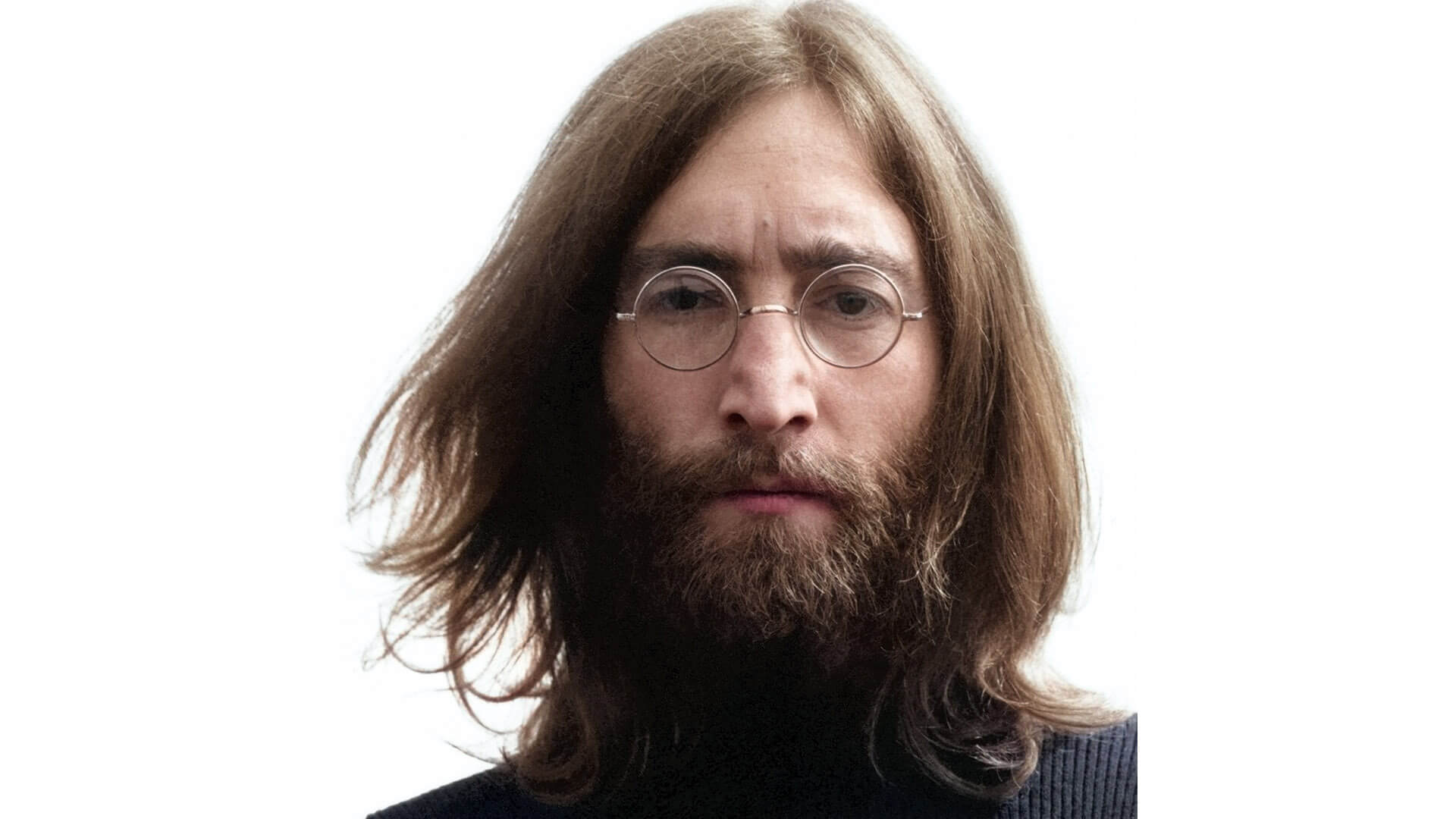
John Lennon’s estate is estimated to be worth between $800 million and $1 billion in 2026, more than four decades after the Beatles icon was killed outside The Dakota in New York City.
Although Lennon was worth roughly $200 million at the time of his death in 1980, the value of Beatles royalties, publishing rights, licensing deals, merchandise, streaming income, and image rights has continued growing for decades.
Today, the estate overseen by Yoko Ono and increasingly managed by Sean Ono Lennon still earns millions annually through music royalties, licensing agreements, documentaries, reissues, and Beatles-related commercial partnerships.
Interest in John Lennon’s net worth remains unusually high because his estate became one of the most commercially successful music legacies in entertainment history.
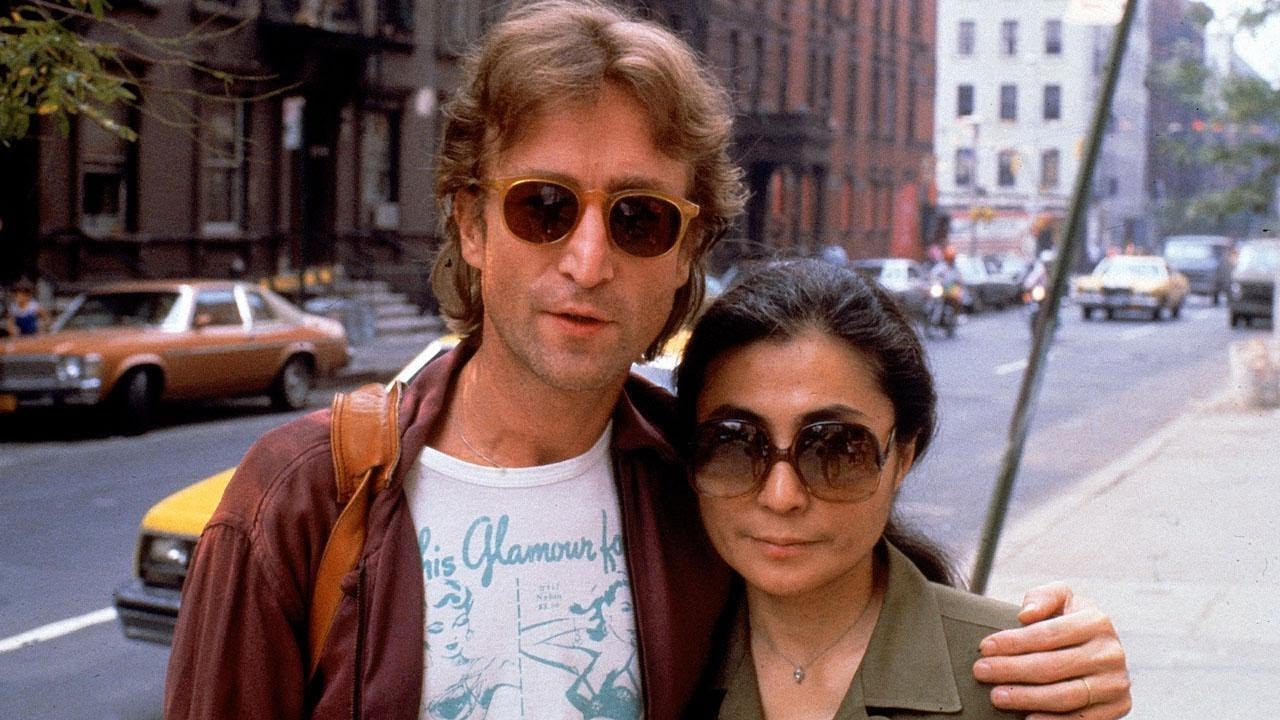
John Lennon and Yoko Ono in New York City, December 1980 — captured just days before the former Beatle’s death. Their creative and financial partnership laid the groundwork for what would become a billion-dollar legacy.
How Did John Lennon Make His Money?
Most of John Lennon’s wealth came from music publishing, Beatles royalties, solo recordings, licensing deals, and ownership of songs connected to The Beatles.
As co-writer of many Beatles classics alongside Paul McCartney, Lennon earned publishing income from some of the most commercially successful songs ever recorded. Even decades after the band’s breakup, Beatles music still generates major revenue through Spotify and streaming platforms, radio play, documentaries, vinyl reissues, film licensing, merchandise, and global publishing agreements.
His solo catalog also became a major long-term asset. Albums including Imagine (1971) and Double Fantasy (1980) continue producing royalty income through streaming, licensing deals, physical reissues, and commercial use across film and television.
Outside music, Lennon and Yoko Ono also owned valuable real estate holdings, including apartments inside The Dakota in New York City and additional property investments.
Unlike many celebrity fortunes tied to short-term fame, Lennon’s wealth continued growing after his death because Beatles music, publishing rights, and licensing income remained globally valuable across multiple generations.
How Much Was John Lennon Worth When He Died?
When John Lennon was killed in December 1980, his fortune was estimated at roughly $200–250 million, making him one of the wealthiest musicians in the world at the time.
Adjusted for inflation, that would equal roughly $900 million or more today depending on music-rights valuation methods and the continued growth of Beatles royalties over the decades.
His wealth included:
- Beatles publishing royalties
- solo music rights
- licensing income
- New York real estate
- investments and personal assets
At the time of his death, Lennon’s music was already generating enormous recurring income through radio play, publishing, licensing, and global record sales. That revenue continued expanding after his death as The Beatles became one of the most commercially successful music catalogs in entertainment history.
The estate’s long-term value also grew through streaming, documentaries, archive releases, merchandise, and licensing agreements tied to Lennon’s image and music.
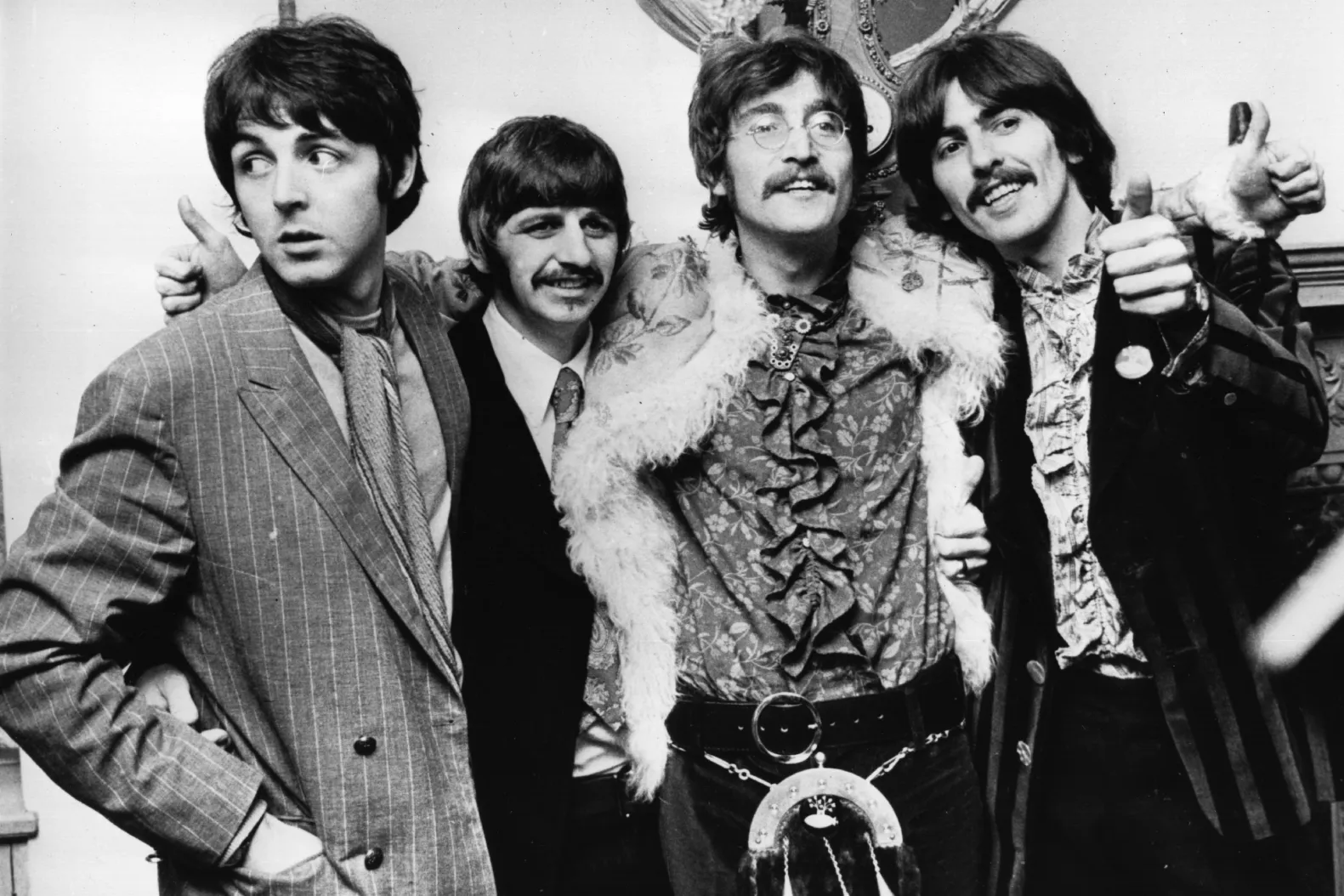
John Lennon with the Beatles in a classic black-and-white portrait, capturing the iconic band at the height of their global fame.
Does John Lennon Still Earn Royalties Today?
Yes — John Lennon’s estate still generates millions every year through Beatles royalties, streaming income, licensing deals, merchandise, documentaries, and publishing rights connected to The Beatles alongside fellow members Paul McCartney, Ringo Starr, and the late George Harrison.
The estate continues earning money from:
- Beatles publishing royalties
- solo music streaming
- film and documentary licensing
- merchandise partnerships
- image rights
- archive releases and deluxe reissues
The continued popularity of The Beatles across Spotify, Apple Music, YouTube, film, and television has helped keep Lennon commercially relevant decades after his death.
Albums including Imagine and other Beatles-era recordings still attract huge global streaming audiences, while licensing agreements connected to Lennon’s image and music continue generating long-term revenue.
By the mid-2020s, estimates placed the total value of Lennon’s estate between roughly $800 million and $1 billion, with annual royalties and licensing income believed to range between around $12 million and $20 million.
Recent Beatles documentaries, archive releases, cinema projects, and ongoing activity from the Lennon estate have also helped maintain worldwide interest in his music and legacy.
Who Inherited John Lennon’s Fortune?
The majority of John Lennon’s estate passed to Yoko Ono following his death in 1980.
Through estate arrangements and trust structures established before his death, Ono gained control over Lennon’s intellectual property, publishing rights, licensing operations, investments, and royalty income. Over the decades, she became the central figure overseeing the commercial management of Lennon’s music, image rights, and licensing agreements.
Their son, Sean Ono Lennon, has increasingly taken on a larger operational role in recent years, particularly around archive releases, documentaries, reissues, and licensing projects connected to Lennon’s music and legacy.
Julian Lennon, Lennon’s son from his first marriage to Cynthia Lennon, did not inherit a major share of the main estate directly under the original arrangements. However, after years of reported disputes involving the estate, Julian later reached a confidential settlement with Yoko Ono in the 1990s reportedly worth around £20–25 million.
Despite that settlement, long-term operational control of the Lennon estate remained with Ono and later Sean Lennon.
Who Controls John Lennon’s Estate Today?
Today, John Lennon’s estate is managed through trusts, licensing entities, and long-term corporate partnerships connected to his music and image rights.
While Yoko Ono still retains overall oversight, Sean Ono Lennon has become increasingly involved in the creative and commercial direction of the estate in recent years.
Sean Lennon has played a visible role in archive releases, licensing projects, documentaries, remasters, and reissues connected to his father’s catalog, including renewed interest in albums such as Mind Games and other Beatles-era material.
The estate continues working with major music companies including Universal Music Group and Sony Music Publishing to manage Lennon’s music rights, publishing, streaming activity, and global licensing agreements.
Alongside royalties from The Beatles and Lennon’s solo catalog, the estate still generates substantial income through merchandise, documentaries, image licensing, and long-term publishing partnerships tied to Lennon’s music and legacy.

The Dakota in New York City, John Lennon’s residence and the site of his untimely death, remains an enduring symbol of his life and legacy.
Why John Lennon’s Fortune Still Matters
More than four decades after his death, John Lennon remains one of the most commercially successful music figures in the world through the continued power of The Beatles catalog, publishing rights, licensing deals, and global streaming revenue.
What began as a fortune built through songwriting and music royalties evolved into a long-term entertainment empire that still generates millions every year through streaming, documentaries, merchandise, reissues, and licensing agreements.
That lasting commercial relevance is why interest in John Lennon’s net worth, estate, and heirs remains strong decades after his death.
Frequently Asked Questions
What Was John Lennon Worth When He Died?
At the time of his death in 1980, John Lennon was estimated to be worth around $200–250 million, making him one of the wealthiest musicians in the world at the time.
Did Julian Lennon Inherit Any Of John Lennon’s Estate?
Julian Lennon did not inherit a major share of the estate directly after John Lennon’s death. However, he later reached a confidential settlement with Yoko Ono in the 1990s reportedly worth around £20–25 million.
How Much Does John Lennon’s Music Earn Today?
John Lennon’s estate is believed to generate roughly $12–20 million per year through Beatles royalties, solo music streaming, licensing deals, merchandise, documentaries, and publishing income.
Who Controls John Lennon’s Estate Today?
Yoko Ono still retains overall oversight of the estate, while Sean Ono Lennon has become increasingly involved in archive releases, licensing, documentaries, and other projects connected to Lennon’s music and legacy.
Who Owns The Beatles Catalog?
Rights connected to The Beatles are divided across multiple publishing, recording, and corporate agreements involving Apple Corps, Sony Music Publishing, Universal Music Group, and the surviving Beatles’ estates.
Who Is the Richest Beatle?
Paul McCartney is generally considered the richest Beatle, with an estimated fortune exceeding $1 billion thanks to touring, publishing rights, songwriting ownership, and decades of commercial success.