Trump Weighs Iran Strikes as Energy Prices and U.S. Credit Costs Head Higher
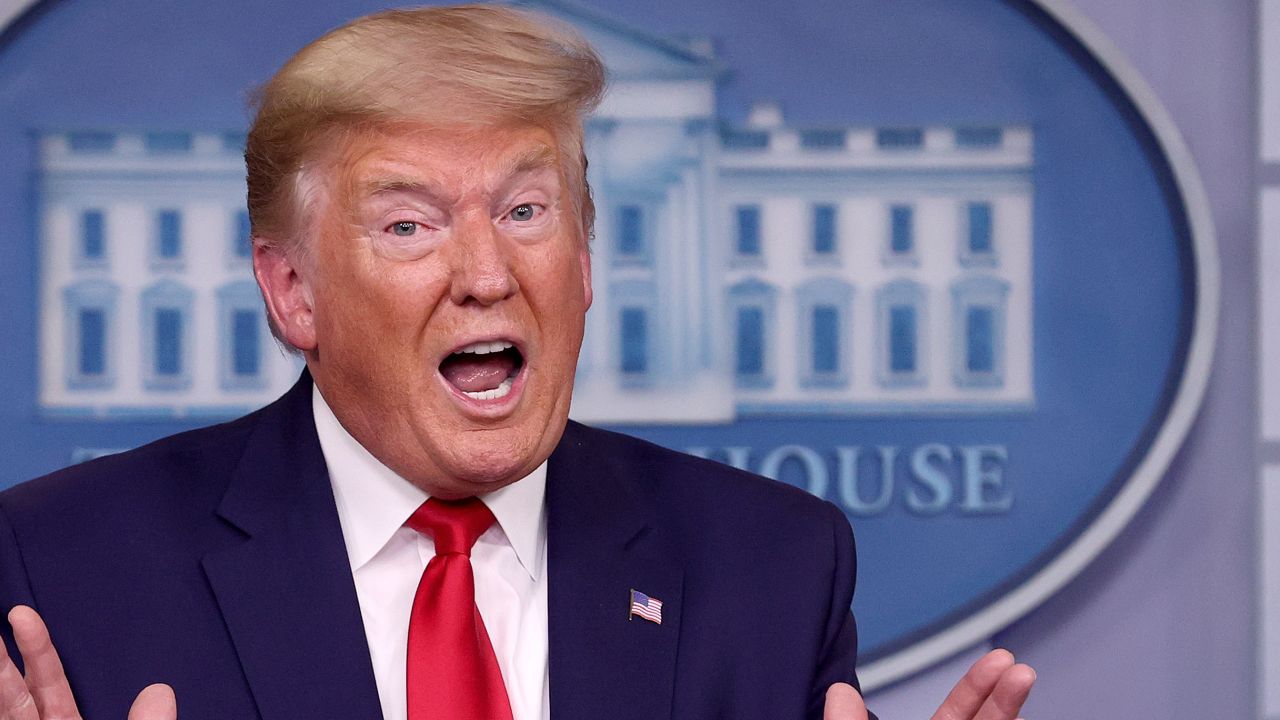
The prospect of renewed U.S. military action against Iran has pushed global capital markets into a familiar but dangerous posture: pricing risk before policy is finalised. President Donald Trump, according to multiple U.S. and regional sources, is weighing targeted strikes intended to destabilise Iran’s security apparatus and revive a crushed protest movement—an escalation that would reach far beyond geopolitics and into energy markets, credit conditions, and inflation trajectories worldwide.
For investors, the immediate issue is not whether a strike occurs, but how quickly capital reacts to the possibility. Markets have learned that when military uncertainty touches the Middle East’s energy corridors, liquidity shifts first and explanations follow later. This is no longer a question of foreign policy strategy; it is a live stress test of how much geopolitical pressure global systems can absorb before pricing mechanisms begin to fracture.
Power Applied, Capital Moves
Trump has not made a final decision on military action, but the range of options under discussion—strikes against Iranian security leadership, missile infrastructure, or nuclear enrichment facilities—has already introduced a new volatility premium into markets tied to energy, shipping, and sovereign risk. The deployment of a U.S. aircraft carrier group to the region has reinforced the credibility of escalation, even as diplomats warn that air power alone is unlikely to produce regime change.
From a capital perspective, this uncertainty functions as a throttle. Investment committees, commodity traders, insurers, and lenders are not waiting for confirmation. They are adjusting exposure now, particularly where Iran’s response could disrupt oil flows or trigger retaliation across the Gulf.
The result is a familiar pattern: risk aversion spreads faster than conflict.
The Energy Choke Point
The most immediate transmission channel is energy. Any credible threat to Iranian stability raises the spectre of disruption through the Strait of Hormuz, a passageway that handles roughly a fifth of the world’s oil shipments. Even absent direct interference, heightened military activity in the region forces insurers to reprice risk and shipping firms to build in delays and premiums.
For energy markets, this creates a double bind. Prices rise not because supply has fallen, but because certainty has. That distinction matters for inflation: volatility-driven price increases tend to be sharper, faster, and more politically visible than those driven by structural shortages. Central banks can look through long-term supply adjustments; they struggle with sudden geopolitical shocks that bleed directly into consumer prices.
This is where the Iran question becomes a balance-sheet issue for households and firms far removed from the Middle East.
What This Means for U.S. Prices in the Next 60 Days
Even without a single strike, the market response to uncertainty around Iran is already filtering into price expectations at home. Energy traders and insurers are pricing in higher risk premiums tied to the Middle East, pushing fuel costs upward well before any disruption to physical supply occurs. For U.S. consumers, that translates first into higher gasoline and diesel prices, followed closely by rising freight and logistics costs as shipping insurers and carriers adjust coverage and routes.
The impact does not stop at the pump. Elevated transport and insurance costs tend to surface in food prices within weeks, particularly for imported goods and energy-intensive supply chains such as meat processing and packaged foods. Airlines, retailers, and manufacturers with limited hedging coverage face narrower margins, increasing the likelihood that higher costs are passed through rather than absorbed. Analysts warn that even a modest, short-term spike can ripple through monthly inflation data if uncertainty lingers.
The most expensive outcome for households may be delay itself. Markets are not waiting for clarity from Washington, and neither are suppliers. Each week without resolution extends the period in which precautionary pricing becomes normalised, locking in higher costs that are difficult to reverse quickly. In that sense, prolonged indecision acts like a quiet tax—one that shows up gradually across fuel receipts, grocery bills, and travel costs, regardless of whether military action ultimately occurs.
Credit Tightening Before the First Strike
History suggests that when geopolitical risk intensifies around energy corridors, credit markets follow with a lag—but a decisive one. Lenders exposed to transport, manufacturing, and emerging markets typically respond by tightening terms, not because borrowers have weakened, but because forecasting becomes unreliable.
If the situation escalates, firms with thin margins and high energy sensitivity face a familiar squeeze: higher input costs combined with reduced access to flexible credit. For small and mid-sized enterprises, particularly in logistics, agriculture, and heavy industry, this dynamic can turn geopolitical tension into a domestic liquidity problem within weeks.
Crucially, this tightening often begins before any formal military action. Capital dislikes ambiguity more than bad news.
Regional Fallout, Global Pricing
Iran’s leadership has signalled that it is preparing for confrontation while keeping diplomatic channels open, a posture that reflects both internal weakness and external calculation. The regime has been battered by months of unrest and economic crisis, yet retains firm control through the Revolutionary Guard and security services. That combination—fragility without fracture—is precisely what worries neighbouring states.
Gulf countries hosting U.S. bases fear they would be the first targets of retaliation, whether through missile strikes or proxy forces. Their response has been to quietly lobby against escalation while preparing contingency plans. For markets, that translates into higher risk premiums on assets tied to the region, even in countries not directly involved.
This is how regional instability becomes global repricing: not through headline events, but through the slow accumulation of defensive positioning across portfolios.
The Strategic Irony
There is a strategic irony embedded in Trump’s calculus that markets are beginning to recognise. Strikes intended to weaken Iran’s leadership could, in practice, strengthen the very institutions—particularly the Revolutionary Guard—that dominate both security and large swathes of the Iranian economy. From an investment standpoint, that outcome would entrench opacity rather than open pathways to reform.
For capital allocators, the concern is not Iran’s internal politics per se, but the duration of uncertainty. A swift resolution, even an adverse one, allows markets to reprice and move on. A prolonged period of grinding pressure—sporadic strikes, contested succession, regional retaliation—creates a drag that seeps into energy contracts, insurance pricing, and sovereign spreads.
In other words, the costliest scenario is not collapse, but indefinite instability.
What Happens Next for Markets
Three broad paths are being modelled across trading desks and boardrooms:
A limited strike that signals resolve but avoids systemic disruption could cause a short-term spike in energy prices followed by stabilisation. Markets have historically absorbed this scenario with surprising speed.
A broader campaign targeting Iran’s strategic capabilities risks sustained disruption and retaliation, embedding a higher volatility regime into energy and shipping markets. This would likely feed into inflation data and complicate monetary policy globally.
A prolonged standoff without strikes—marked by military posturing and diplomatic stalemate—may prove the most corrosive for capital. Uncertainty lingers, investment decisions are deferred, and risk premiums remain elevated without a clear catalyst for resolution.
Each path carries different implications, but all share one feature: markets are already acting.
Capital Feels It First
Long before voters or consumers see the effects, capital registers pressure. Insurance costs rise. Hedging activity increases. Credit committees tighten assumptions. These shifts rarely make headlines, but they shape the economic environment into which any eventual decision lands.
That is why the Iran question matters beyond foreign policy. It illustrates how modern markets respond to power: not with panic, but with quiet recalibration. By the time outcomes are clear, the economic consequences are often already embedded.
For now, investors are watching not just what Trump decides, but how long the decision takes. In a global system calibrated for speed, delay itself has become a form of pressure—one that capital prices relentlessly.
What are people asking about Trump and Iran right now?
Will Trump actually strike Iran?
No final decision has been announced. U.S. officials say military options are being considered, but diplomacy and pressure tactics are still in play.
Why could tensions with Iran raise U.S. gas prices?
Even without a strike, heightened risk around key oil routes pushes up insurance and transport costs, which can translate into higher fuel prices quickly.
How soon could consumers feel the impact?
Energy and freight costs can move within weeks if uncertainty continues, especially when markets price risk before events unfold.
Could this affect borrowing costs or access to credit?
Yes. Rising energy risk often leads lenders to tighten terms, which can mean higher rates or reduced credit flexibility for businesses and households.
What’s the biggest risk if no decision is made soon?
Delay itself. Prolonged uncertainty can lock in higher prices and tighter credit even if military action never occurs.