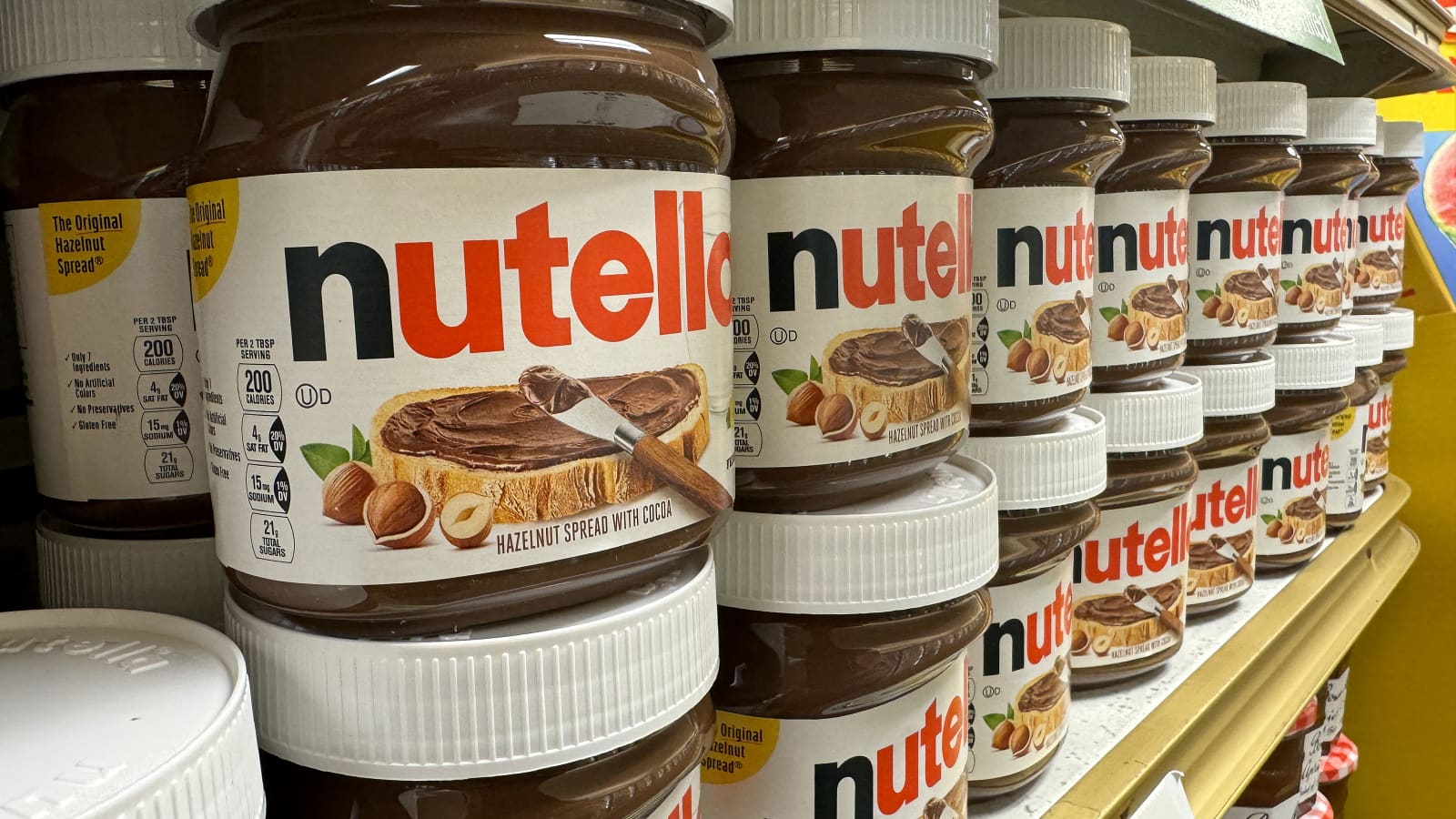
Pringles, Nutella, Cheerios Recalled After FDA Finds Rodent Contamination at Distribution Facility
The trigger was regulatory, but the fallout is personal. A sweeping recall tied to a federal inspection has pulled thousands of everyday products off shelves after the U.S. Food and Drug Administration found rodent and bird waste at a distribution facility supplying stores across parts of the Midwest.
For shoppers, the immediate impact isn’t legal language or inspection codes—it’s uncertainty about what’s safe to keep, what needs to be thrown away, and what might already be sitting in kitchen cabinets.
The recall centers on products handled by Gold Star Distribution, a company that supplies food, beverages, household goods, pet products, cosmetics, and over-the-counter drugs. According to regulators, inspectors identified “insanitary conditions,” including rodent excreta, rodent urine, and bird droppings inside the facility. As a result, thousands of items that passed through the site are now considered potentially contaminated.
What the FDA Found Inside the Facility
The concern wasn’t limited to a single product or isolated area. Regulators determined that animal waste inside the facility could contaminate products through direct contact with surfaces or through airborne particles. That matters because distribution centers sit upstream of store shelves, meaning contamination at that level can affect a wide range of brands all at once.
Because of those findings, the FDA moved to classify the action as a Class II recall, indicating that use of the affected products may cause temporary or medically reversible health consequences. Illnesses such as salmonella or leptospirosis remain possible, particularly for children, older adults, and people with compromised immune systems.
Why Familiar Brands Were Caught Up
What makes this recall hit harder is how ordinary the products are. Snacks, cereals, drinks, pantry staples, personal-care items, and even pet food were included. These aren’t niche or specialty items—they’re things people buy weekly, often without checking labels or batch codes.
The products were distributed to retailers in Indiana, Minnesota, and North Dakota, but the attention is spreading far beyond those states. When well-known brands are named in a recall tied to sanitation failures, it triggers a broader question for consumers: how many other items passed through the same system without anyone knowing?
What This Means for Families Right Now
For households, the first pressure point is immediate and practical. Consumers are being told to destroy affected products rather than return or consume them, turning groceries into instant losses. That adds cost and stress at a time when many families are already watching food budgets closely.
There’s also the anxiety factor. People start checking cupboards, scanning recall notices, and replaying recent meals in their heads. Even without confirmed illness, uncertainty alone changes behavior—what gets eaten, what gets tossed, and what brands feel trustworthy going forward.
Why Recalls Like This Are Spreading
This recall isn’t happening in isolation. As federal inspections resume at full pace, regulators are showing less tolerance for conditions that could compromise large volumes of consumer goods. Distribution hubs that handle multiple categories—from food to cosmetics to pet supplies—carry higher risk because a single failure can ripple across thousands of products.
The legal consequences come later, if at all. Recalls happen before court findings, before liability is assigned, and before blame is formally established. For consumers, though, the effect lands immediately. Shelves change, routines shift, and trust in the supply chain takes a hit long before any final outcome.
Supporters of aggressive enforcement argue that early recalls prevent outbreaks and protect public health, even if it means widespread disruption and waste. Critics point to cost, over-breadth, and the impact on consumers who may never have been exposed to real danger. That debate plays out every time a recall of this scale surfaces.
What remains constant is the lived experience. Decisions made far from view—inside warehouses and inspection reports—suddenly shape what ends up on the table. For shoppers staring at familiar packaging with new doubts, the question isn’t theoretical. It’s whether something once trusted still belongs in the house at all.