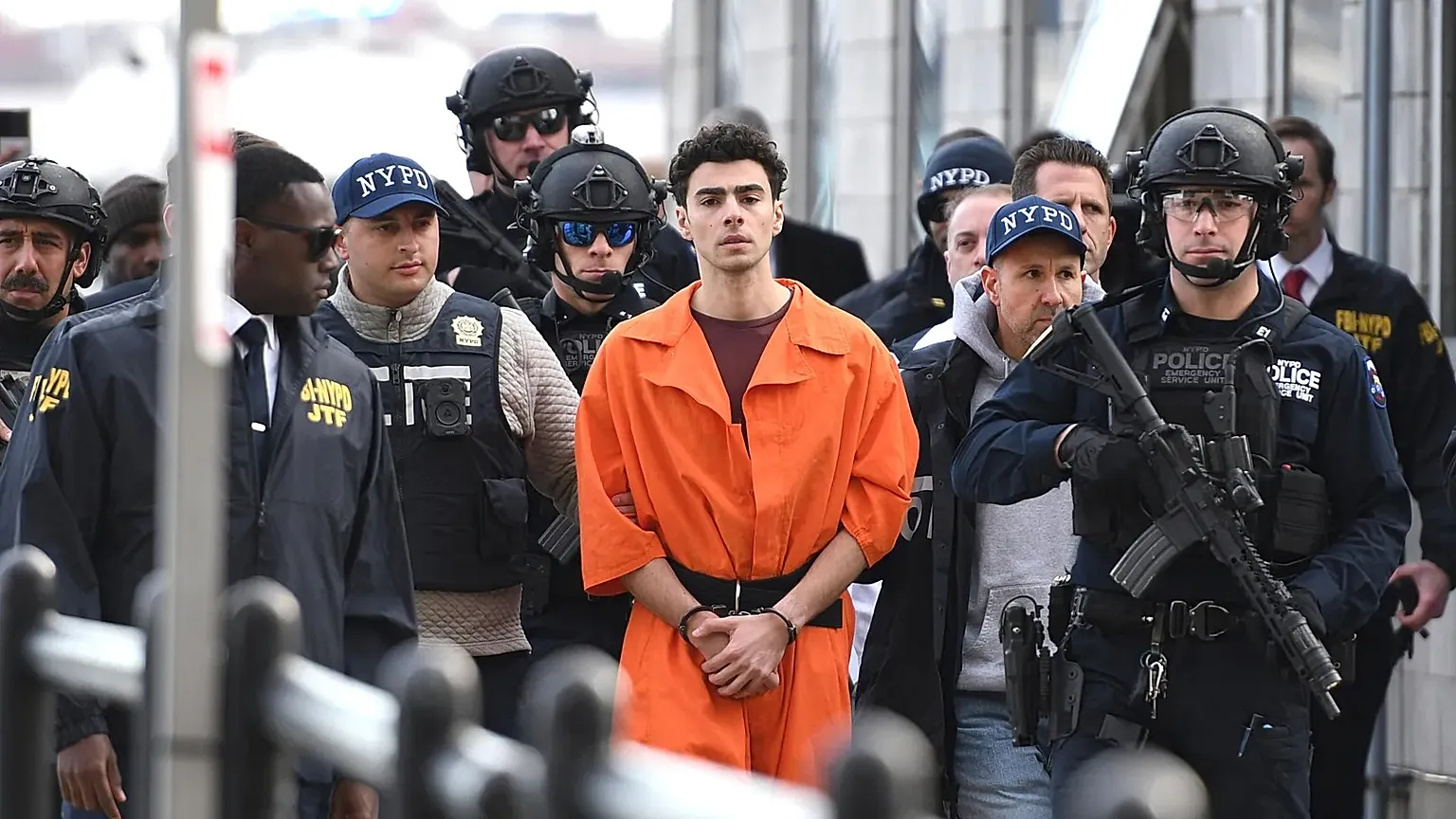
Judge Saves Luigi Mangione From Execution: The Technical Loophole That Changed Everything
A federal judge’s ruling on January 30, 2026, has removed the death penalty as an option in the high‑profile case against Luigi Mangione, the man accused of murdering UnitedHealthcare CEO Brian Thompson.
U.S. District Judge Margaret Garnett dismissed the federal murder charges that could have supported capital punishment, leaving prosecutors to pursue other counts that could lead to life imprisonment instead.
The development reignites a long‑standing debate over capital punishment in the United States, and one question that resurfaces each time a high‑profile case hits the headlines: does the death penalty actually save taxpayer money compared to life without parole, or does it cost far more?
The short answer, based on decades of state‑level studies and comprehensive analyses, is clear. The death penalty consistently proves more expensive than sentencing someone to life without parole. On the surface, the idea that executing someone will save decades of incarceration costs seems logical, but the reality is very different. The bulk of expenses come not from incarceration but from the legal process itself.
Why Capital Cases Cost So Much More Than Life Sentences
Capital cases demand heightened procedural safeguards because a human life and constitutional rights are at stake. This triggers longer trials, more extensive jury selection, additional expert witnesses, and mitigation specialists who examine the defendant’s life history to argue against execution. Defense teams typically include multiple experienced attorneys, and prosecutors often assign extra resources. These trials can span weeks or months instead of days, with in‑court time often doubling or tripling that of non‑capital murder cases.
The appeals process adds another layer of cost. Death sentences are automatically subject to multiple layers of review in state and federal courts, frequently lasting 15 to 30 years. Many death sentences are overturned due to procedural errors, requiring retrials or resentencing. Even when a death sentence survives appeal, inmates often spend decades on death row before any execution occurs — if one happens at all — meaning the state pays for extensive legal oversight without lowering incarceration costs.

The legal and procedural costs of capital punishment—including lethal injection preparations—make the death penalty far more expensive than life imprisonment.
What the Research Shows About Cost Differences
Research across multiple states paints a consistent picture of higher costs for death penalty cases compared to life‑without‑parole cases:
Capital Legal Costs and Time: Capital prosecutions involve far more complex pre‑trial preparation, multiple defense attorneys, expert consultants, and lengthier jury selection. This raises total legal costs significantly compared with non‑capital cases, which typically involve fewer attorneys and a simpler discovery process.
State Cost Comparisons: Analyses referenced by the Death Penalty Information Center show that total expenditures for cases where the death penalty is sought are frequently between 2.5 and 5 times more than for cases where life imprisonment is the only option. If these ratios were applied to Ohio, for example, the extra cost of imposing the death penalty across current death row cases could range from roughly $116 million to $363 million.
Maryland Findings: A comprehensive study in Maryland found that lifetime costs for capital‑eligible cases that resulted in the death penalty were about $3 million each, roughly $1.9 million more than similar cases where the death penalty was not pursued. The total additional cost to taxpayers for capital prosecutions there exceeded $186 million compared with life sentences.
Where the Money Goes: Trial, Appeals, and Incarceration
Legal scholars and justice officials point out that the most significant expenses arise from three main components:
Trial and Pre‑Trial Proceedings: Capital trials involve additional motions, expert testimony, and extended jury selection to weed out biases, all of which add days or weeks of court time and related costs.
Appeals and Post‑Conviction Review: Because the stakes are life and death, capital cases undergo multiple rounds of appeals by right, every one of which requires attorneys, filings, and judicial time. These layers accumulate cost even if the ultimate sentence ends up being life imprisonment.
Death Row Incarceration: Housing inmates on death row — often in solitary confinement with strict security protocols — typically costs more per year than general prison populations, even though many inmates remain there for decades without execution.
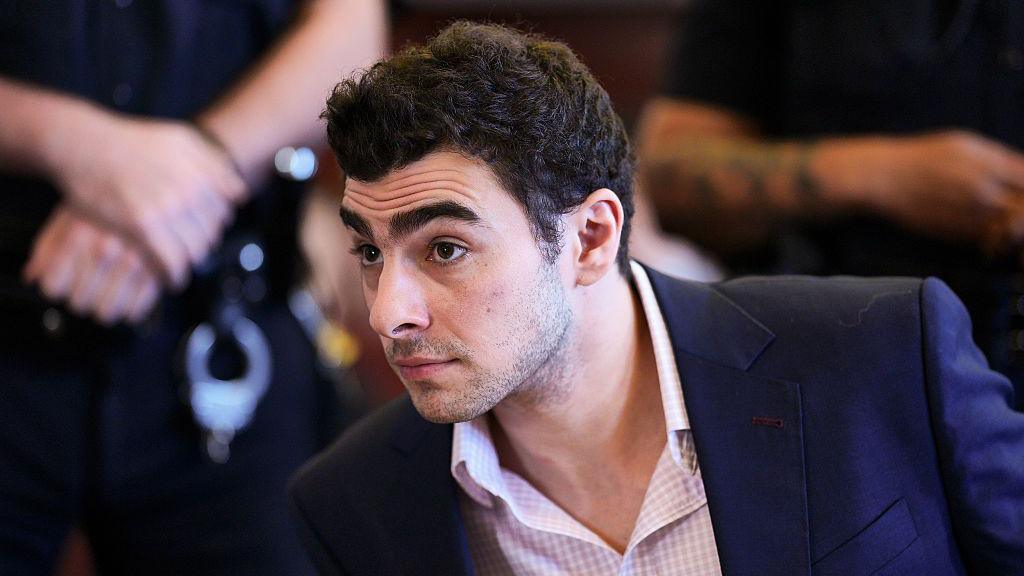
Luigi Mangione appears in court as prosecutors drop the death penalty, highlighting the high legal costs of capital cases.
National Impacts: Taxpayers and Justice Resources
Taken together, the various stages of capital prosecution — investigation, trial, sentencing, appeals, and specialized incarceration — add an estimated $1 million to over $3 million more per case than pursuing life without parole. Supporters of the death penalty have sometimes claimed it saves money over decades of incarceration, but the preponderance of evidence suggests the opposite. The money spent on extended legal proceedings and reviews dwarfs the potential savings from any shorter term on death row.
In high‑volume states like California, where more than 700 inmates are on death row, maintaining that system has added billions in excess spending relative to comparable life‑sentence cases. These figures reflect cumulative taxpayer dollars over decades rather than isolated annual budgets.
The Bottom Line for Taxpayers
When comparing the costs of capital punishment with life without parole, the conclusion is robust: the death penalty does not save money. Most studies conclude that life without parole is the cheaper, more predictable alternative. The added funds required for prolonged legal battles, enhanced security, and multi‑layered appeals often outweigh any minimal savings from shorter prison stays or executions themselves.
This financial reality fuels calls for reform or abolition in many states, where those resources could be redirected to other pressing public needs such as education, mental health services, and crime prevention programs. As the case involving Mangione illustrates, even when capital punishment is initially on the table, procedural and legal considerations can ultimately shift the focus toward life sentences while the high costs remain baked in from the start.