
Peter Mandelson’s recent resignation from the Labour Party may cost him millions in potential earnings, according to industry insiders. The 72-year-old former cabinet minister has built a lucrative post-government career in advisory work, board memberships, and speaking engagements—roles that often rely on perceived influence within Westminster.
Analysts estimate that stepping away from Labour could reduce Mandelson’s income by around £5 million over the next few years. The loss stems from consulting contracts, high-profile appearances, and other opportunities where party affiliation signals ongoing access to political networks. While Mandelson’s expertise remains in demand, leaving the party removes a key credential that helps clients justify premium fees.
In short, Mandelson’s resignation highlights a common trade-off in political consulting: greater independence can come with a tangible financial cost, particularly for advisers whose value depends as much on connections as experience.
How Advisory Work Depends on Connections
Mandelson’s firm, Global Counsel, recently recorded a £10 million windfall through a partial sale, a figure reflecting years of cultivated relationships across government, finance, and international institutions. In political consulting and advisory work, personal credibility alone is rarely enough; clients often pay a premium for networks that can open doors, facilitate introductions, or provide insight into ongoing policy discussions.
Resigning from Labour removes one formal marker of political influence. Potential clients may hesitate or reconsider, especially in sectors where access to current party members is seen as strategically important. The resulting slowdown in engagement translates directly into lost income, even if Mandelson continues to advise quietly or focus on international clients.
Lost Opportunities Beyond Advisory Fees
The financial impact is not limited to consulting contracts. High-profile speaking engagements, paid appearances, and board memberships often depend on proximity to power. Party membership conveys a signal of relevance that can affect invitations and compensation. Stepping away from Labour may reduce these opportunities, forcing Mandelson to rely more heavily on a smaller pool of neutral or international clients.
In addition, the long-term compounding effect of lost credibility can be substantial. Advisory fees are often tied to multi-year relationships; missing one opportunity today can ripple into smaller or delayed deals later. Analysts familiar with the market suggest that a £5 million projected loss over several years is plausible given the scale of Mandelson’s previous earnings and the subtle prestige premium that party affiliation provides.
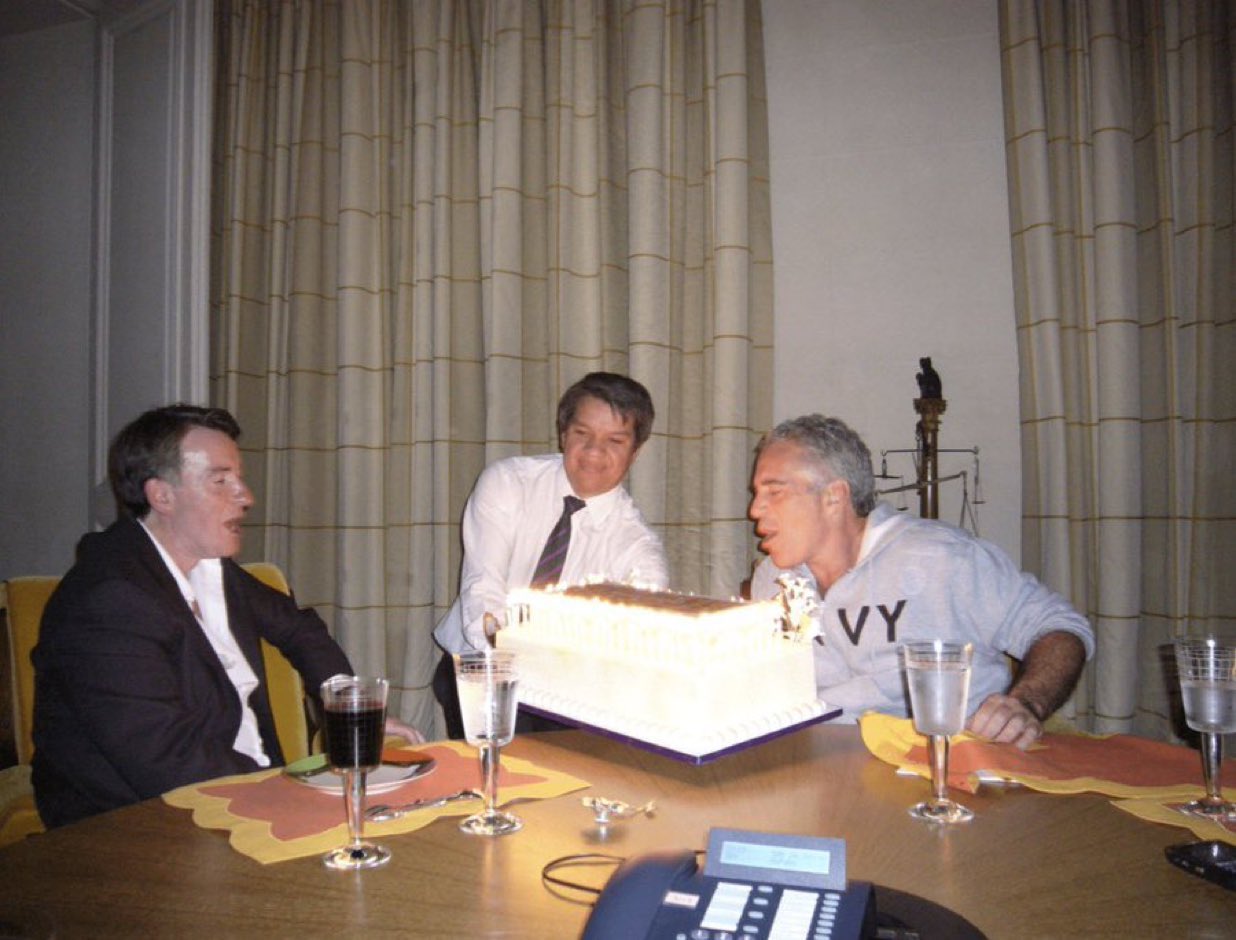
Peter Mandelson and Jeffrey Epstein photographed together at a birthday celebration, an image that resurfaces amid renewed attention on past financial links.
Strategic Trade-Off Between Independence and Income
While resigning may grant Mandelson greater personal autonomy and distance from scrutiny, it comes at a quantifiable cost. Remaining formally connected to Labour could have preserved some revenue streams, but potentially at the expense of attention, media pressure, and client risk exposure. By stepping back, Mandelson prioritizes independence, but the price tag is measurable in lost opportunities.
For high-profile former ministers, this kind of trade-off is common. Influence carries financial value, and the severing of formal ties can shift earnings significantly. Mandelson’s resignation highlights how political and financial considerations are intertwined at the upper levels of advisory work, where millions can hinge on perception as much as on expertise.
What Readers Are Asking About Mandelson’s Financial Fallout
Will Peter Mandelson lose a salary by resigning from Labour?
As a peer in the House of Lords, Mandelson does not receive a traditional fixed salary like an MP, but he is entitled to a daily attendance allowance for participating in votes and debates. By stepping away from Labour, he may not lose this allowance directly, since it is tied to membership in the Lords, not party affiliation. However, any indirect financial benefits linked to party membership—such as advisory credibility, influence-based contracts, or board opportunities—are at greater risk, which contributes to the projected £5 million loss.
Are there other ways Mandelson can recoup lost income after leaving Labour?
Yes, former ministers often pivot to international consulting, think tank work, or corporate advisory roles that rely on expertise rather than party ties. Strategic partnerships, private client work, or public speaking outside domestic politics can offset some lost revenue. However, these alternatives usually carry smaller premiums than roles tied directly to Westminster access.
Could leaving a major political party impact pension or benefit entitlements?
While resigning from a party generally does not affect state pensions, certain professional or private benefits may be influenced by ongoing political engagement. Some advisory roles, memberships, or honorific positions have eligibility criteria linked to current political status. Stepping away can limit access to exclusive networks that provide supplemental income, perks, or invitations to paid events.