This week, a quiet legal ruling cracked open a story that has sat sealed for decades, and the pressure point is not history but money.
A grainy home movie shot during the assassination of John F. Kennedy is now being treated as a nine-figure asset, with lawyers arguing its value could reach $900 million.
The choice facing the family is stark and current: let the footage stay buried under federal custody, or push until someone admits where it went and what it’s worth now.
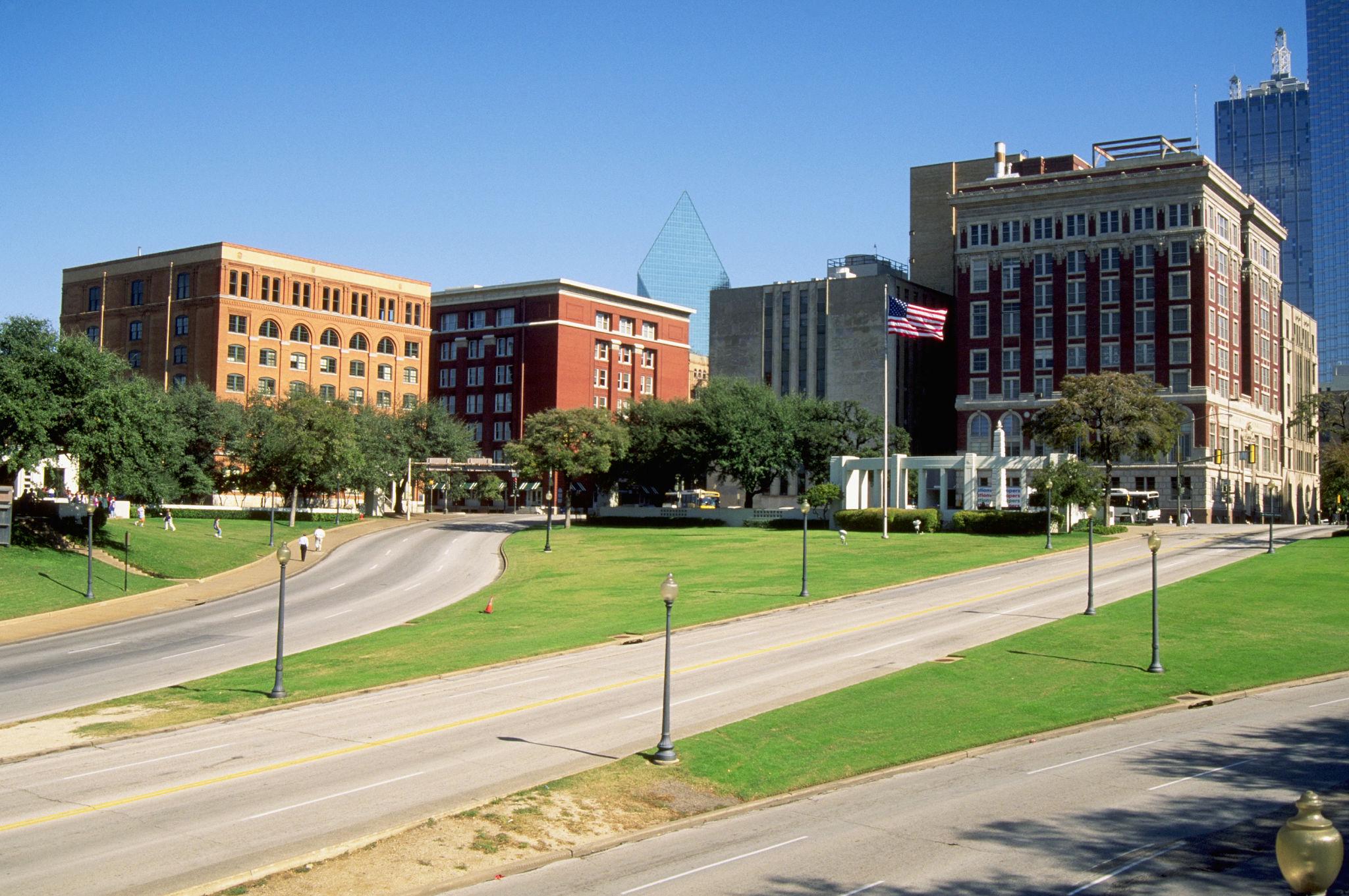
The film was shot in 1963 by Orville Nix, a Dallas repairman standing across from the presidential motorcade with an 8mm camera in his hands.
Unlike the famous Zapruder footage, Nix’s lens pointed toward the grassy knoll, the patch of ground that has fueled questions for generations. The movie disappeared into official channels decades ago, and for years the story sat dormant, unresolved, and easy to ignore.
That changed days ago, when a federal judge cleared the way for a deeper legal fight over where the original film went and whether the government owes compensation for keeping it.
The family isn’t framing this as nostalgia or conspiracy, but as a forced decision about control. Either the footage is still out there and must be accounted for, or it has been lost while accumulating a price tag that now rivals the most valuable artifacts in American history.
The $900 million figure isn’t being pitched as a payday so much as a pressure tool. At that scale, the money represents leverage, insurance against silence, and a way to compel answers from institutions that have had decades to deflect. The argument is simple and uncomfortable: relief from uncertainty at this level costs real money, and someone eventually has to pay for it.
The physical reality of the film only adds to the tension. It’s not a pristine museum piece but a fragile strip of aging acetate, originally stored in envelopes and passed between offices.
Lawyers describe modern analysts handling it in temperature-controlled rooms, feeding frames through advanced scanners, pausing on blurred shapes near a fence line. The setting is clinical, the subject intimate, and the gap between polish and vulnerability is impossible to miss.
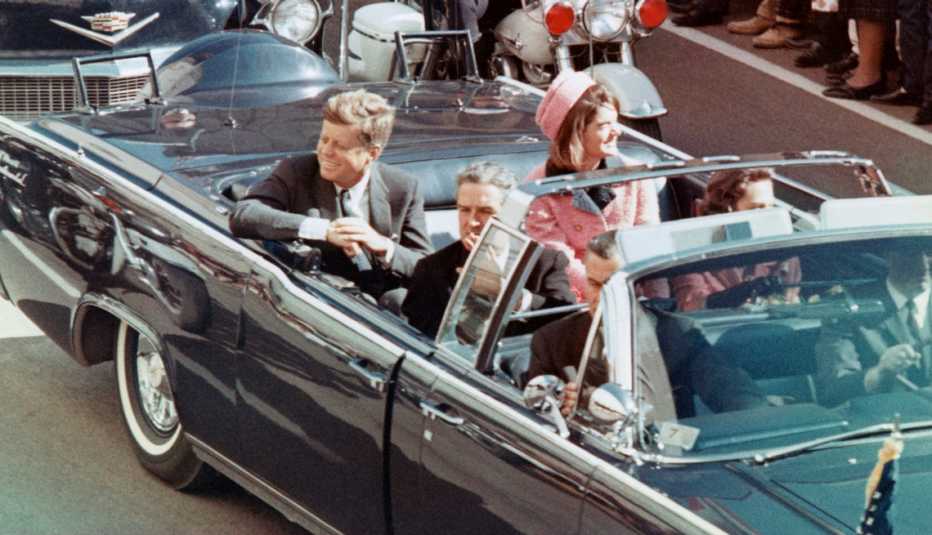
President John F. Kennedy and Jacqueline Kennedy during the Dallas motorcade, shortly before a little-seen home film captured another angle of the moment that would become central to decades of unanswered questions.
Around this story sits a familiar pattern. Over the years, families connected to historic moments have re-entered the spotlight not out of ambition, but because time made inaction feel worse than exposure.
Lost recordings, disputed letters, sealed archives — each eventually turns into a confrontation between private inheritance and public control. The question keeps repeating itself: at the very top of historical significance, what does opting out actually cost?
There is no easy position here. Some see the fight as a reasonable attempt to reclaim ownership and force transparency.
Others bristle at the idea of attaching an astronomical price to a piece of collective memory, even if the money is meant to unlock answers rather than cash out. Both reactions exist at once, and neither fully resolves the discomfort.
What’s striking is how human the moment feels despite the scale. This isn’t a blockbuster premiere or a museum gala, but a family filing papers, waiting for responses, and staring at decades of unanswered correspondence. The money looms large, but it functions more like a weight than a reward, pressing down until someone finally moves.
Whether the footage ever surfaces or not, the choice has already been made to push forward. The pressure is now public, the value declared, and the silence harder to justify. What remains unsettled is how much peace, control, or truth that price can actually buy.