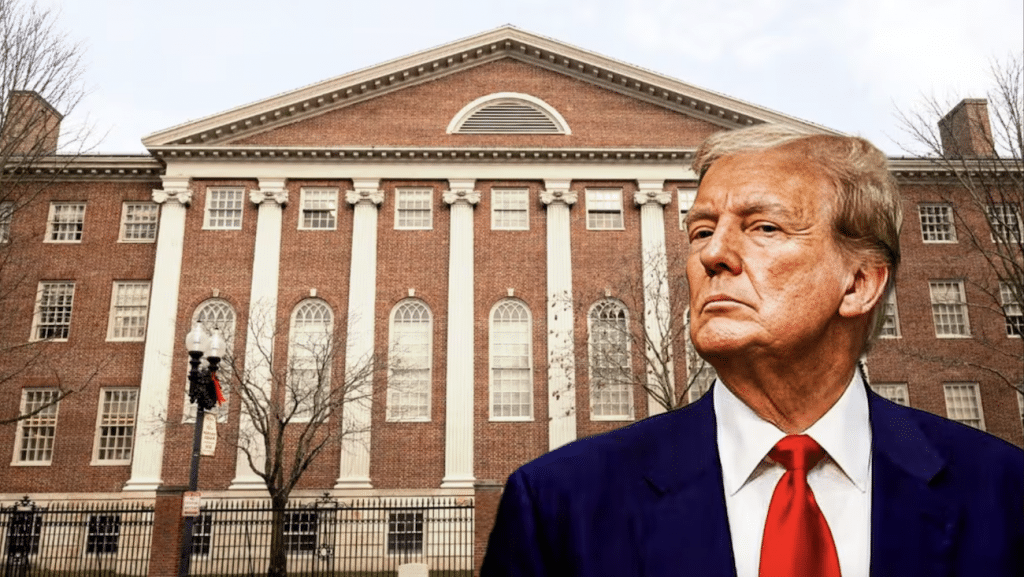
Harvard University is facing a sudden, $1 billion financial storm this week as the Trump administration escalates its dispute over federal grants. Students, researchers, and faculty are caught amid uncertainty, with operations that rely on federal funding now under immediate threat.
Decisions on research projects, hiring, and campus programs are being delayed, leaving administrators scrambling to assess exposure and plan contingencies. Even routine approvals for laboratory work, collaborations, and student funding are now caught in limbo, as no one yet knows how the damage claim will be processed.
The dispute stems from earlier cuts to nearly $2 billion in research grants, initially blocked by a federal court. Harvard officials say safeguards that protect academic freedom and ensure oversight of grant freezes were bypassed, leaving the university vulnerable. The administration’s latest move to demand $1 billion in damages exposes gaps in accountability and coordination between federal agencies and private institutions, highlighting how rapidly a high-profile university can be thrown into financial and operational uncertainty.
The impact reaches beyond Harvard. The sudden threat of financial penalties puts research programs, student support, and ongoing academic initiatives at risk. Partnerships with other universities and federal agencies may be slowed, while faculty may postpone projects requiring grant approval.
Postdoctoral researchers, graduate students, and early-career academics are directly affected, as funding uncertainty could delay paychecks, fellowships, and lab operations. Public trust in institutional stability is shaken, with precedent-setting implications for other private universities receiving federal funds.
Responsibility is unclear. While the White House directs the funding freeze and damage claim, federal agencies tasked with oversight appear to have limited ability to enforce checks before escalating disputes.
Harvard’s leadership is managing the fallout, yet no clear regulatory authority has intervened to prevent repeated exposure. Federal courts have previously overturned aspects of the funding freeze, but the process is slow, and enforcement mechanisms remain fragmented. The result is a tangled web where no party is fully accountable, leaving the university to navigate both legal and financial uncertainty on its own.
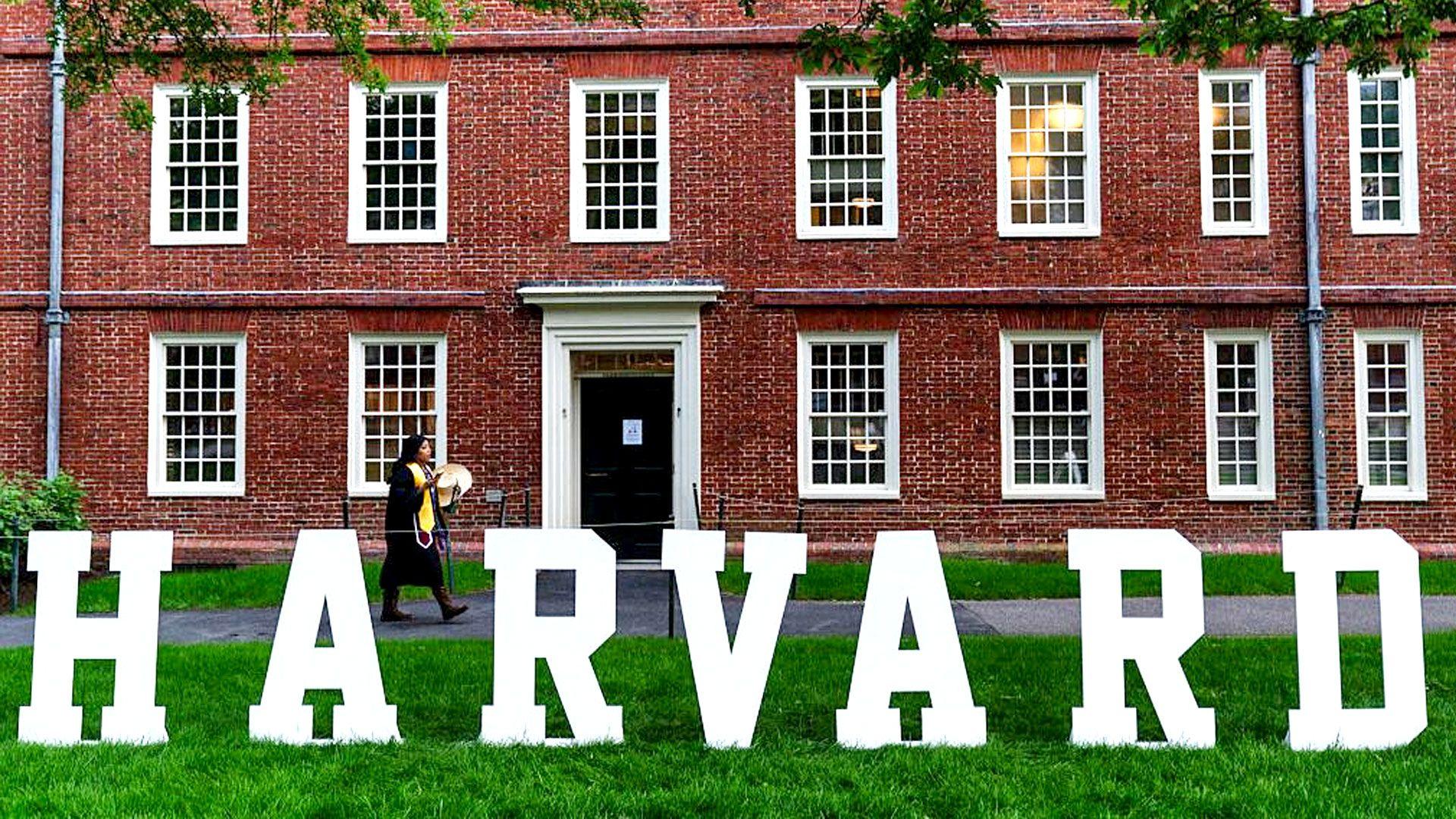
Harvard’s campus signage stands amid a $1B funding clash as Trump’s administration challenges the university’s actions and freezes research grants
The situation raises broad questions: Should political leadership have unilateral authority over private university funding? How should universities safeguard against sudden funding threats without compromising academic independence? Could the disruption affect future collaborations, patents, or federally funded innovations? The clash highlights the tension between institutional autonomy, political power, and public oversight, and leaves academics wondering whether similar interventions could target other campuses.
Investigations, hearings, and legal challenges are expected in the coming weeks. Harvard may adjust its internal budgeting and pause sensitive research projects until clarity emerges. Other institutions with federal grants are likely reviewing their own vulnerability, creating a ripple effect across higher education funding. Departments across the university are assessing which projects can continue safely and which must be delayed, while finance teams model worst-case scenarios that include potential funding losses, legal costs, and operational slowdowns.
Students and faculty are feeling the strain. Graduate students dependent on research assistantships are waiting to see if payments will continue, and faculty considering multi-year projects are weighing the risk of launching initiatives that could be stalled mid-course. Even non-research campus functions, such as libraries, student housing, and campus support services, are reviewing contingency plans for potential funding gaps.
As scrutiny intensifies, Harvard faces not only financial risk but an erosion of institutional trust. The administration’s actions highlight the fragility of oversight systems, leaving students, faculty, and the public to question how much control universities truly have over their own operations.
Once trust is fractured, restoring stability may take years. The university’s reputation for independence, academic excellence, and reliability is being tested, and the coming months will determine how resilient Harvard and its peers can be when faced with high-profile, politically charged funding threats.
The case may also serve as a benchmark for other universities navigating federal relationships. Observers note that similar exposure could exist at any institution receiving sizable grants, particularly when oversight and regulatory clarity are incomplete. Harvard’s situation illustrates a high-stakes environment where operational planning, financial forecasting, and academic research are all vulnerable to external pressures, creating a broader conversation about how institutions balance reliance on government funding with maintaining autonomy.
Even without an immediate resolution, the unfolding scenario underscores the delicate balance universities must strike in protecting their programs, their people, and public trust. Harvard’s next steps, court challenges, and administrative adjustments will be closely watched as an example of how large, prestigious institutions cope when powerful actors assert influence over funding and operations.