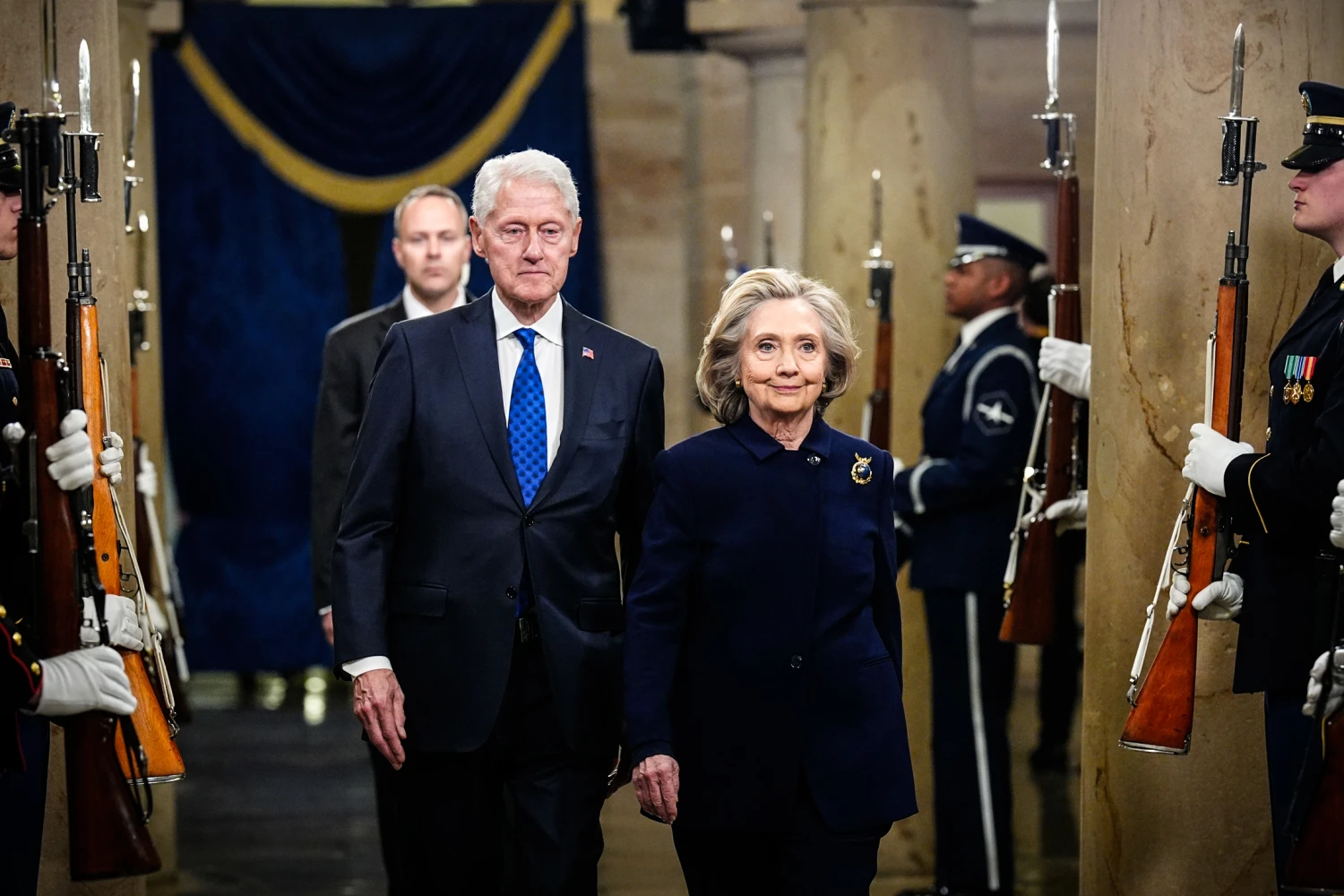
Former President Bill Clinton and former Secretary of State Hillary Clinton have agreed to appear before Congress in the ongoing investigation into Jeffrey Epstein, the financier and convicted sex offender who died in prison in 2019.
The announcement comes just days before lawmakers were scheduled to vote on whether to hold the couple in criminal contempt for failing to comply with subpoenas issued months ago. The development exposes the tension between political influence, congressional authority, and public oversight.
The exposure centers on the couple’s past connections to Epstein. Bill Clinton traveled on Epstein’s private jet multiple times in the early 2000s and appears in photographs at Epstein’s properties, including his New York and Florida residences.
The Clintons have consistently denied knowledge of Epstein’s criminal activities and state that contact ceased decades before his arrest. Still, the subpoenas sought to clarify what the former president and secretary of state knew, when, and through which channels.
Oversight procedures that typically compel cooperation from private citizens and former officials have encountered limits. The Clintons had resisted multiple legal summonses, arguing that they had already provided sworn statements covering the “limited information” they possessed.
Congressional leaders, frustrated by the delays, initially moved to hold them in contempt, illustrating the gaps in enforcement when political power, public stature, and legal obligations intersect.
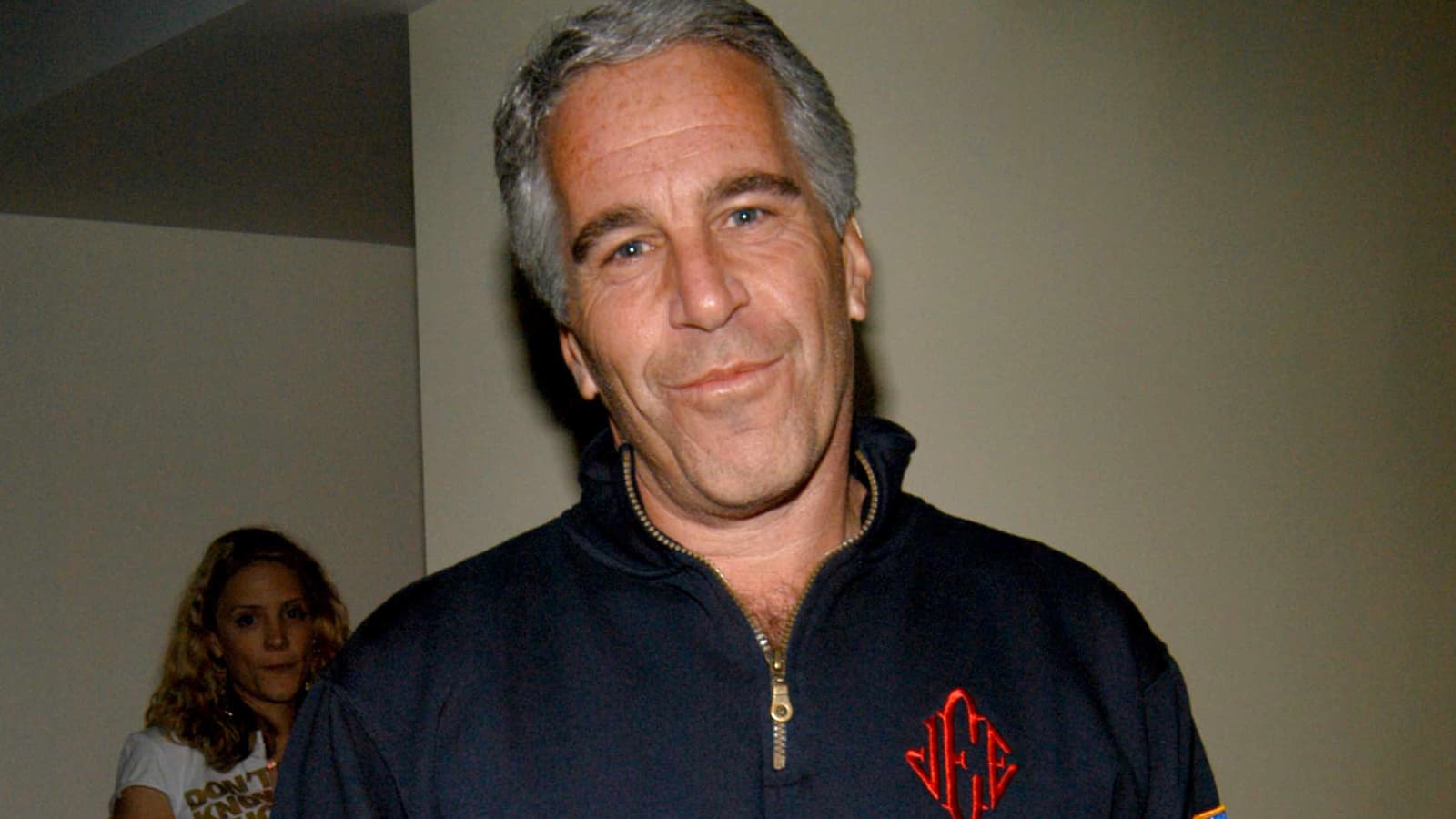
Jeffrey Epstein, the disgraced financier whose vast property empire became central to investigations into sex trafficking and abuse.
The risk this situation exposes is broad. Public confidence in congressional investigations depends on perceived impartiality and follow-through. When a former president and former top diplomat negotiate the terms of their testimony, questions arise about the effectiveness of accountability mechanisms in the United States.
The uncertainty also fuels speculation about whether other high-profile figures could evade scrutiny in similar circumstances, raising concerns over institutional consistency and fairness.
Responsibility remains diffuse. The Clintons’ legal team negotiates on their behalf, balancing compliance with congressional demands against potential legal exposure.
Oversight committees face political and procedural limitations, and the mechanisms to enforce testimony against former national leaders are inherently constrained. Lawmakers have postponed consideration of contempt resolutions, citing the need to clarify the scope of testimony, leaving the public with unresolved questions about enforcement and consequence.
The strategic tension is evident. Congress seeks transparency and accountability in one of the most sensitive investigations into sex trafficking and abuse, while the Clintons leverage their legal and political standing to limit exposure.
Observers note the challenge of balancing oversight authority against protections afforded to former executives. Was this standoff an inevitable clash of power and procedure, or could safeguards have prevented months of delay and uncertainty?
Looking ahead, scrutiny will continue as depositions are scheduled. Investigators, committee members, and legal teams will monitor compliance closely, but the precedent for how former presidents engage with congressional inquiries is still forming.
The outcome will influence future oversight efforts, the credibility of investigations into elite networks, and public trust in the ability of government institutions to hold powerful individuals accountable.
As this process unfolds, the Clintons’ testimony may resolve some questions, but the broader lessons about institutional limits and accountability gaps remain. The investigation highlights how authority, privilege, and legal frameworks intersect, and why public confidence in oversight can erode when enforcement mechanisms appear negotiable.
The Epstein inquiry demonstrates that exposure alone is insufficient to guarantee accountability, leaving long-term consequences and trust in the system under pressure.