In early February 2026, when Fenwick & West agreed to seek court approval for a proposed settlement with former users of the collapsed crypto exchange FTX, it did more than move a long-running lawsuit toward resolution.
It pushed an unresolved question back into view: how one of the most sophisticated failures in modern financial history unfolded with so many professional safeguards in place.
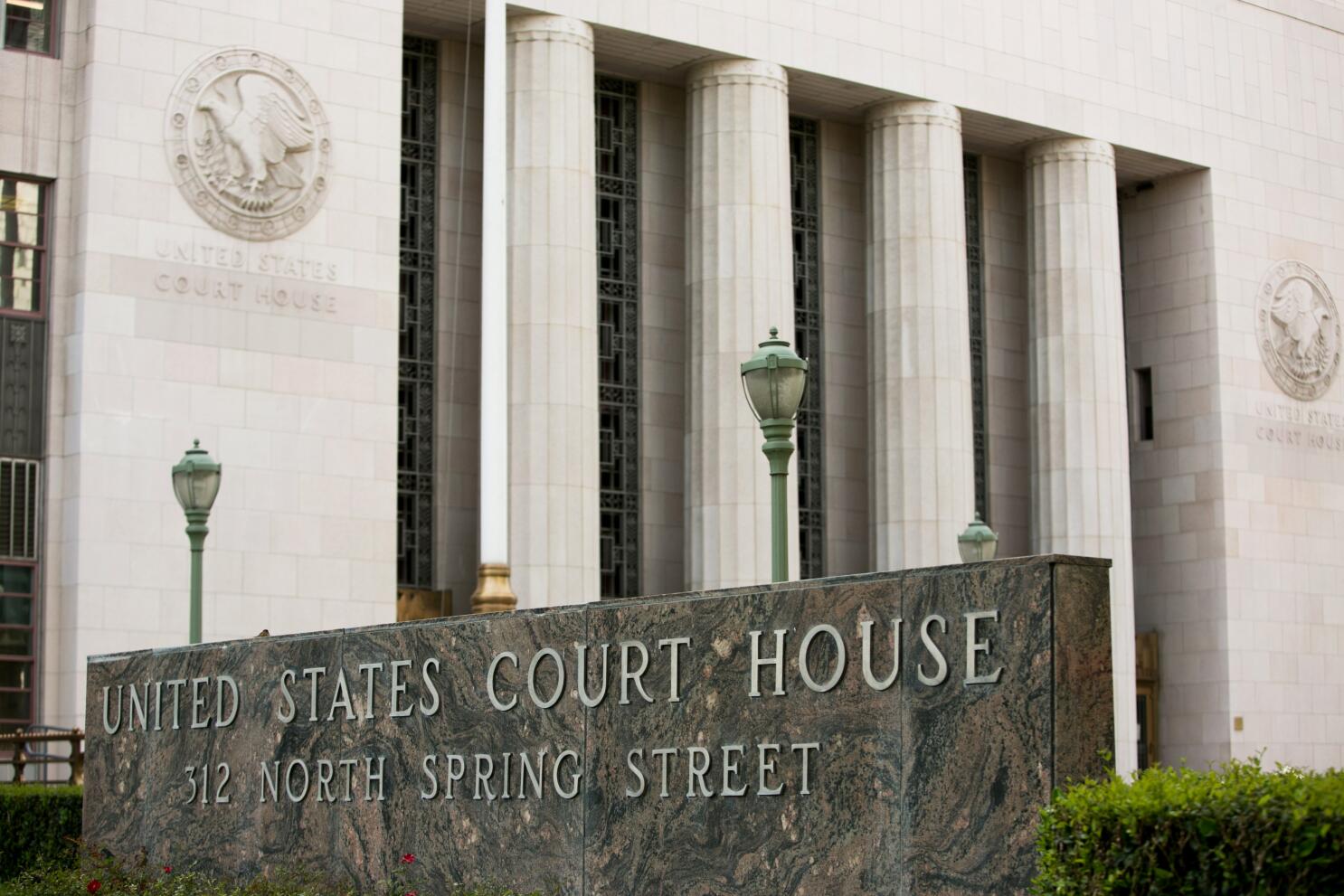
The settlement, disclosed in a joint filing with a Florida federal court, does not reveal financial terms. What it does reveal is that litigation alleging a major law firm’s role in the FTX collapse has progressed far enough to warrant a pause in proceedings while a deal is reviewed.
For many observers, the moment lands less as closure and more as a reminder that the institutional story behind FTX remains unresolved.
At the center of the case is an allegation that Fenwick, a prominent adviser to technology and crypto companies, played a structural role in how FTX was built and operated.
Fenwick has denied the claims, insisting it provided routine and lawful legal services and had no knowledge of fraud. Yet the court previously declined to dismiss the users’ amended complaint, allowing the case to proceed and placing those denials under sustained scrutiny.
The lawsuit argues that FTX’s collapse was not simply the result of reckless executives or market volatility, but of systems that allowed risk to accumulate unnoticed.
According to the complaint, Fenwick advised on corporate structures that helped FTX avoid certain regulatory registrations and had visibility into blurred boundaries between FTX and its affiliated trading firm, Alameda Research.
Those boundaries, prosecutors and regulators have since argued, were central to the misuse of customer funds.
What failed, according to the plaintiffs, was not a single rule or control but a chain of oversight. The legal advice that shaped FTX’s structure, the internal governance that permitted commingling of funds, and the external checks that might have flagged those risks all appear to have fractured at different points.
The case does not allege that Fenwick orchestrated fraud, but that its involvement amounted to “substantial assistance” that made the fraud possible.
This distinction matters because it goes to the heart of how professional responsibility is understood in high-risk sectors. Law firms are not regulators, and they are not expected to police clients in the same way authorities do.
But when advice intersects with regulatory avoidance and complex financial engineering, the line between service provider and gatekeeper becomes harder to define. The Fenwick case presses directly on that uncertainty.
For the public, the risk translates into a broader loss of confidence. FTX was not a fringe operation. It attracted millions of users, high-profile investors, and mainstream legitimacy.
If a collapse of that scale could occur while major professional advisers were involved, it raises uncomfortable questions about how much protection those advisers actually provide.
The concern is not limited to crypto. Similar advisory structures underpin fintech, private markets, and emerging financial products across the economy.
The accountability gap is where the case becomes most contentious. Responsibility appears dispersed across executives, auditors, advisers, and regulators, with no single actor clearly positioned as the final backstop.
FTX users have pursued multiple avenues of redress, including lawsuits against promoters and other professional firms. One such case against Sullivan & Cromwell, FTX’s former outside counsel, was voluntarily dismissed last year due to a lack of evidence, underscoring how difficult it is to establish liability even when harm is undeniable.
Regulators, meanwhile, have faced criticism for reacting after the fact rather than preventing the collapse. The FTX saga exposed gaps in oversight across jurisdictions and highlighted how quickly global platforms can outpace existing supervisory frameworks.
The Fenwick settlement does not resolve those failures, but it keeps them in view by showing that questions of responsibility are still being negotiated years later.
This tension sits at the crossroads of innovation and protection. Crypto firms moved quickly to exploit regulatory gray areas, while professional advisers competed to serve a fast-growing sector.
Speed and experimentation were rewarded, but the safeguards that traditionally accompany financial intermediation struggled to keep up. Whether that imbalance was inevitable or avoidable remains an open debate, one that extends beyond FTX to the next generation of financial technology.
What happens next is procedural rather than dramatic. The proposed settlement will be submitted for court approval later this month, and if accepted, it will likely close one chapter of the FTX litigation landscape.
Yet scrutiny of professional advisers in high-risk industries is unlikely to fade. Law firms, auditors, and consultants are already reassessing how they evaluate clients whose business models depend on regulatory arbitrage.
The longer-term consequence may be a quiet tightening of standards rather than a headline-grabbing reform. More cautious client intake, clearer documentation of advisory limits, and greater emphasis on internal escalation when risks appear are all plausible responses.
At the same time, similar exposure may already exist elsewhere, embedded in sectors that have not yet faced a crisis of ’s scale.
The Fenwick settlement does not answer how the FTX collapse was allowed to happen. Instead, it reinforces a more unsettling reality: when trust is distributed across institutions without clear lines of accountability, restoring control after failure becomes far harder than preventing it in the first place.