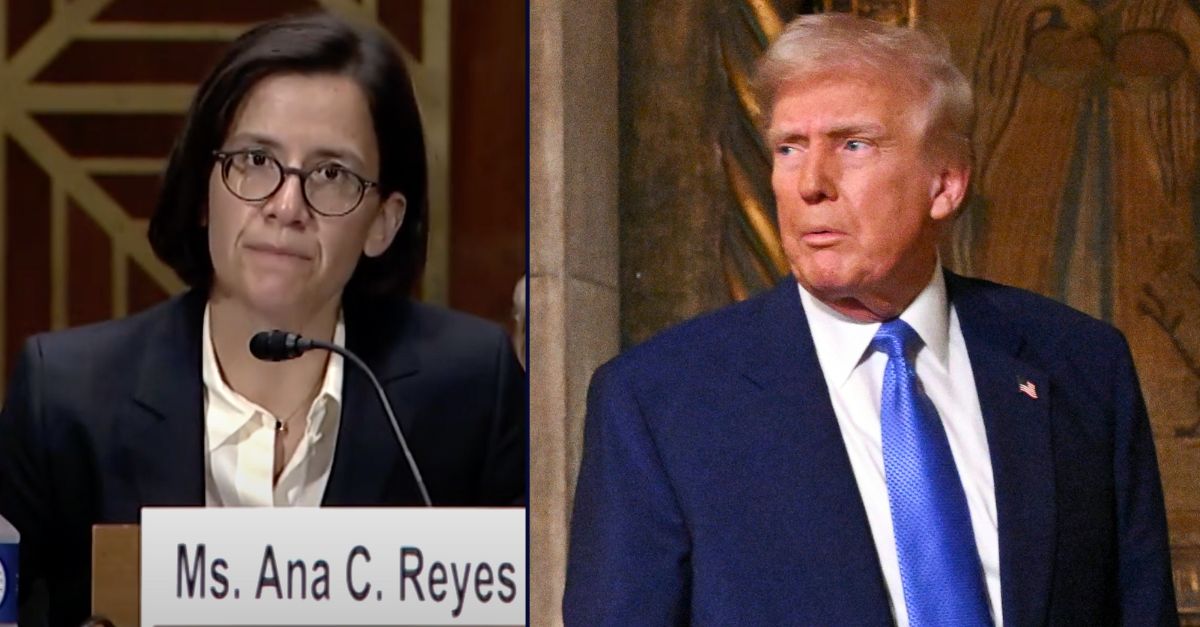
WASHINGTON — U.S. District Judge Ana C. Reyes ordered a halt this week to the Trump administration’s move to deport roughly 350,000 Haitian migrants. With that ruling now in effect, deportation orders that were expected to move forward have stopped working as planned. What had been treated as a reversible, administrative decision is suddenly frozen, forcing federal agencies and political leaders to recalibrate in real time.
The order landed without a grace period. Homeland Security cannot proceed with revoking Temporary Protected Status for Haitians while the ruling stands, cutting off a process the administration had already set in motion. For officials preparing enforcement steps, the assumption that the program could be wound down no longer holds.

Haitian migrants prepare to leave the U.S. as President Trump’s deportation plan faces a court-ordered block.
The Order That Stopped Everything Mid-Process
The immediate pressure falls on the Department of Homeland Security. Timelines tied to work permits, removals, and compliance planning are now misaligned with the court’s directive. Resources already allocated for enforcement cannot be used as intended, and internal planning is stuck in limbo.
The ruling also shifts attention squarely onto Judge Reyes herself. Her decision instantly became a political flashpoint once her history of Democratic donations resurfaced. Contributions totaling more than $38,000 to Democratic candidates, including Joe Biden, Hillary Clinton, and Kamala Harris, are now part of the public debate surrounding her authority.
That exposure matters because Reyes was appointed to the bench by Biden in February 2023. The overlap between her appointment, her past donations, and a ruling that directly blocks a Trump policy has intensified scrutiny. What had been a judicial action is now under reputational pressure from multiple directions.
Republican lawmakers moved quickly. Sen. Bernie Moreno of Ohio publicly accused Reyes of acting as an “unelected Democrat judge” who unilaterally blocked a sitting president. His criticism did not wait for appeals or procedural responses, amplifying the conflict immediately.
Why the Ruling Immediately Changed the Timeline
Moreno’s remarks framed the ruling as more than a pause. He described it as effectively converting Temporary Protected Status into something permanent, despite its name and structure. That framing increases pressure on the administration to respond quickly rather than let the order sit.
Inside DHS, the sense of compression is already visible. Assistant Secretary Tricia McLaughlin publicly signaled an appeal by declaring “Supreme Court, here we come,” underscoring that waiting carries its own costs. The agency must now choose between accelerating legal action or operating under restrictions it openly disputes.
The ruling directly challenges DHS Secretary Kristi Noem’s authority. Reyes wrote that Noem lacked the power to terminate TPS for Haiti, undercutting the department’s position that the program could be ended administratively. That finding blocks not just action, but confidence in the chain of command.
Reyes went further by addressing motive. Her order stated it was “substantially likely” that the termination effort was driven by hostility toward nonwhite immigrants. That language places the department under an additional layer of exposure beyond procedural authority.
By noting that Noem had terminated TPS for every country that reached her desk, Reyes framed Haiti’s case as part of a broader pattern. The ruling rejected the idea that conditions in Haiti were merely “concerning,” describing instead a “perfect storm of suffering” and a “staggering humanitarian toll.”
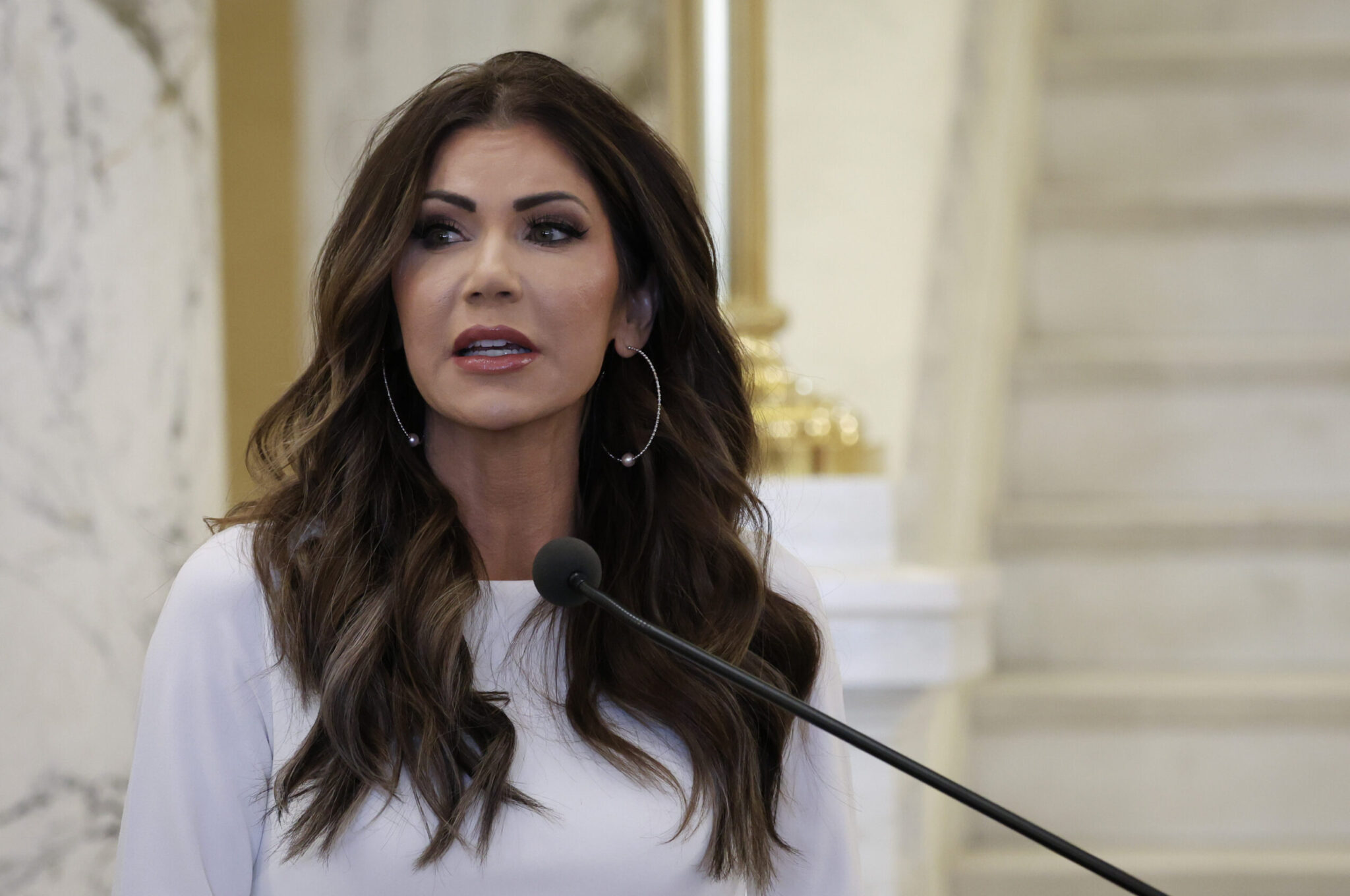
Kris ti Noem responds to the court’s halt on Haitian deportations, defending her decision to end Temporary Protected Status for the group.
What Remains Frozen Right Now
Those words matter because they limit how quietly the administration can proceed. Any further action now has to contend with a written record portraying the termination effort as both unsupported and discriminatory. Silence or delay leaves that characterization unchallenged.
The pressure does not stop at DHS. The White House now faces a narrowed set of options as similar cases involving migrants from Venezuela and Nicaragua were previously struck down by higher courts. Those outcomes loom in the background, shaping expectations without resolving the present standoff.
For migrants currently covered by TPS, the ruling changes daily reality without resolving the future. Work authorizations remain valid for now, but their status is tethered to ongoing litigation rather than a stable policy path. Employers and families are left operating under temporary certainty.
State and local governments also feel the squeeze. Planning for housing, employment services, and compliance depends on clear federal direction, which is now suspended. Budgets and staffing plans built around expected deportations or status changes no longer line up.
Delay now carries cost because the administrative machinery has already moved. Notices were issued, planning was underway, and assumptions had hardened. Reversing course is not neutral; it forces agencies to absorb wasted effort and political backlash simultaneously.
The ruling fits into a recurring pattern of court interventions reshaping immigration enforcement midstream. Each intervention compresses timelines and raises stakes for the next move, even when no final outcome is reached. The system tightens without closing.
Back in Washington, the focus remains on what happens next rather than what has already happened. DHS has signaled escalation, Republicans are demanding reversal, and the court order remains active. Nothing has been resolved, but many things have been interrupted.
For the Haitian migrants affected, the pause offers breathing room without assurance. Their legal footing holds today because a judge intervened, not because the process has concluded. The system is still moving beneath them, and the timing of the next shift is unknown.