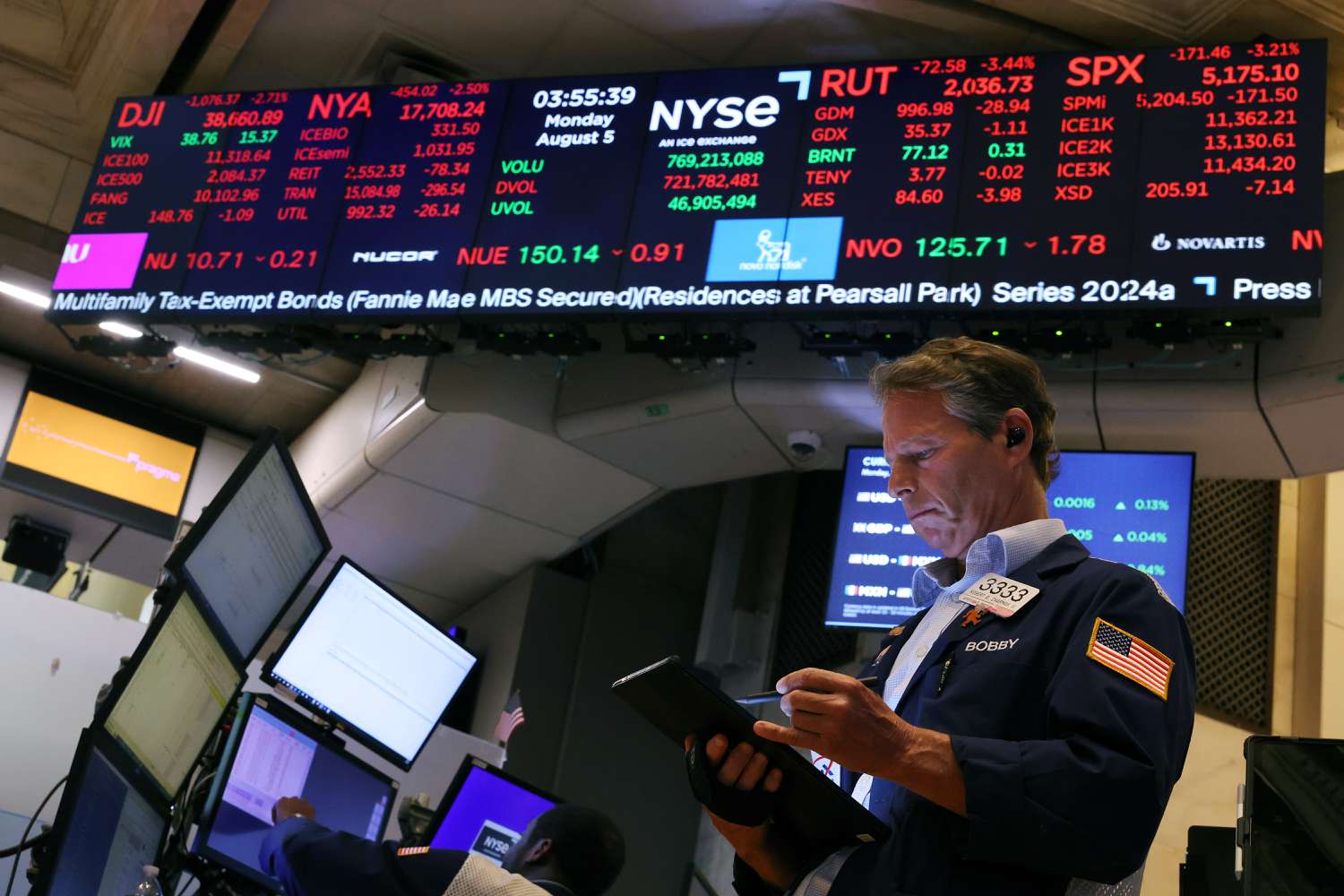
For software workers across global tech hubs, the fallout from Anthropic’s latest AI push didn’t arrive as a layoff notice or a policy change. It arrived as a sharp selloff in software stocks — followed within days by paused hiring, delayed contracts, and projects quietly placed “under review.”
As investors reacted to how quickly new AI capabilities could replace human-heavy work, uncertainty moved off trading screens and into everyday working lives, where job security began to feel suddenly conditional.
The reaction came after markets absorbed what many executives had been reluctant to say out loud: advanced AI tools are no longer just augmenting software work. In some roles, they are beginning to replace it. Within days, staffing-heavy IT firms — particularly those reliant on large teams of developers and contractors — saw shares slide and hiring plans quietly stall.
The Human Cost Arrives Before the Announcement
For engineers, analysts, and outsourced tech workers, the pressure shows up in practical ways. Recruiters stop returning calls. Contracts are shortened. Managers delay renewals while “waiting to see how AI integration plays out.” Even without formal job cuts, income and stability begin to wobble.
In India’s IT sector, where millions of jobs depend on labor-intensive software services, the impact was immediate. Shares of major firms fell sharply, not because of missed earnings, but because investors began questioning how many people those firms will need at all. That uncertainty filters down fast — from boardrooms to payrolls.
The Pressure Point: Hiring Freezes and Silent Pauses
The most visible choke point is hiring. Companies are not announcing mass layoffs yet. Instead, they are quietly tightening intake, slowing onboarding, and asking whether new AI systems can do work that once justified another human hire.
For workers, delay itself becomes the cost. Career moves are postponed. Salary negotiations lose leverage. Contractors face gaps between projects that did not exist months ago. None of this requires a formal policy shift — it is driven by hesitation.
Why This Is Spreading So Fast
This is not confined to one company or country. Similar pressure is appearing across the global software ecosystem — from U.S. startups reassessing burn rates to European firms reviewing headcount needs, to offshore service providers facing sudden skepticism about their long-term model.
What makes this moment different is speed. Previous waves of automation unfolded over years. This one is unfolding over quarters — and in some cases, weeks. Markets are reacting first, but workers are catching the tremors almost immediately.
The Debate Nobody Is Settling Yet
Supporters argue AI boosts productivity and creates new opportunities. Critics warn it concentrates power and compresses wages faster than workers can adapt. What remains unresolved is who absorbs the risk during the transition.
There are no clear guardrails telling companies how fast is too fast, or workers how to protect themselves when capability shifts overnight. The technology is moving. The rules are not.
What Workers Are Left With
For now, the disruption does not arrive as a headline or a termination email. It arrives as hesitation — and the growing sense that the ground beneath stable tech careers is shifting without warning.
For many, the pressing question is no longer whether AI will change their industry someday. It is whether the pause they are experiencing this week is temporary — or the first sign that the work they built their lives around is being quietly re-priced.