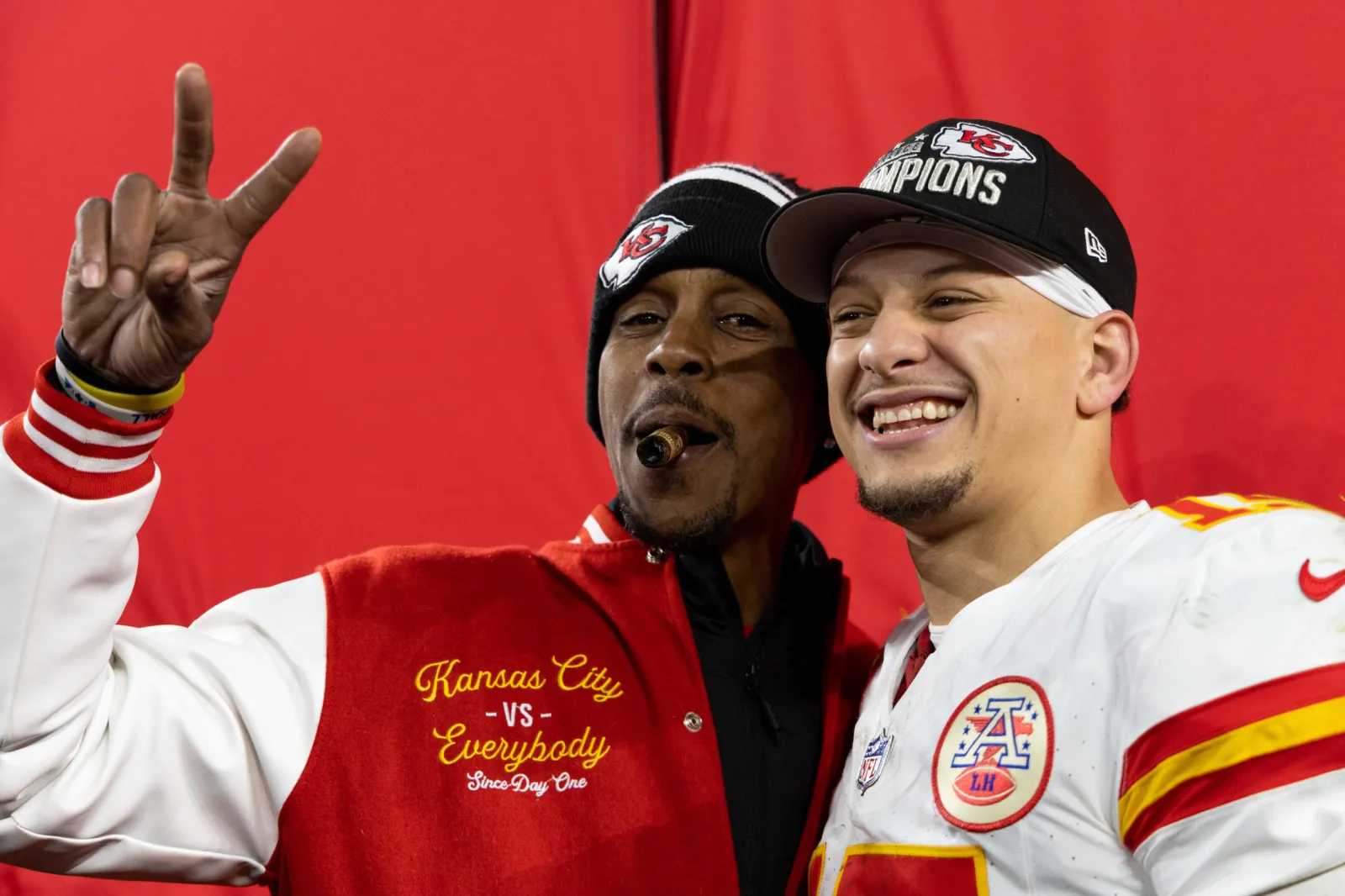
When Patrick Mahomes Sr., the father of Patrick Mahomes, was taken into custody this week, the shift was immediate. What had been a probationary situation largely out of public view turned into overnight jail time after authorities alleged he violated the terms he was already under.
There was no extended warning period or gradual escalation. Once the alleged violation was flagged, enforcement followed quickly, illustrating how fast probation can collapse into custody once compliance is questioned.
The speed of the response is what has drawn attention. Probation is often assumed to come with flexibility or second chances, but cases like this show how little margin for error exists once someone is under court supervision and how quickly freedom can be withdrawn.
What Triggered the Jail Decision
According to reports, Pat Mahomes Sr. was jailed after authorities alleged he violated the terms of his probation, a move that shifted his status from supervised release to immediate custody.
While details of the alleged violation have not been fully disclosed, the outcome itself is instructive. Probation did not slow the system down. It activated it.
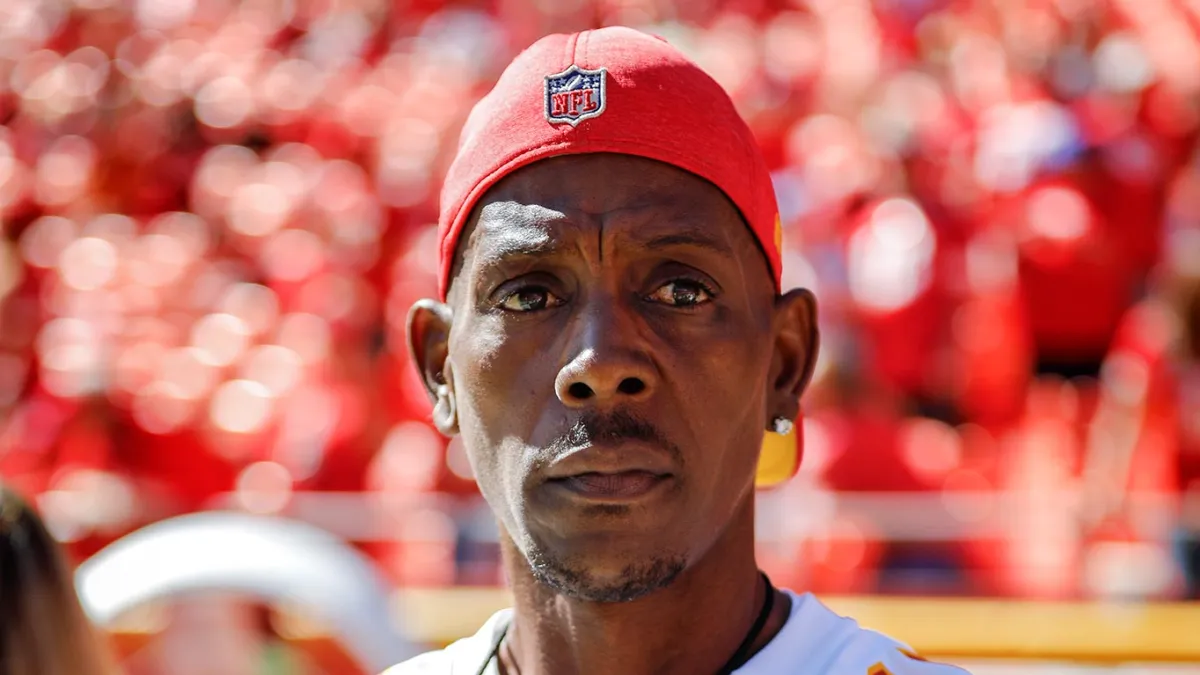
The case involving the father of Chiefs quarterback Patrick Mahomes - Patrick Mahomes Sr. has drawn attention to how quickly probation violations can lead to jail.
Probation is often mistaken for a softer alternative to incarceration. In reality, it operates as conditional freedom, governed by fixed rules and constant compliance.
Once authorities believe those rules have been broken, courts are permitted to act quickly, without the extended processes that accompany new criminal charges.
That structure leaves little room for error. Judges are typically granted broad discretion to respond to reported noncompliance, particularly when there is an existing legal history.
As a result, jail time can follow swiftly, sometimes before the situation fully plays out in public view.
Why Probation Can Turn Into Jail So Fast
Cases like this often provoke the same question: how did it move so fast? The answer lies in how probation is designed to function.
Once someone is under supervision, the system is no longer weighing guilt or innocence. It is measuring compliance, and the tolerance for deviation narrows sharply rather than expanding.
Many people assume probation comes with warnings, flexibility, or informal grace periods. In practice, it often operates under the opposite logic.
Authorities are expected to respond quickly when a violation is alleged because probation is intended to prevent escalation, not absorb it slowly.

Patrick Mahomes celebrates with his mum, dad, and siblings following a Kansas City Chiefs championship win.
Although the case has drawn attention because of Patrick Mahomes’ public profile, celebrity proximity does not slow the process. Courts are not required to account for family connections, public visibility, or reputational impact when enforcing supervision conditions.
In some cases, high-profile associations can even increase scrutiny.
That is why accountability in probation cases tends to be immediate and unambiguous. The terms exist. A violation is alleged.
Enforcement follows. There is rarely a buffer period where mistakes can be negotiated away, and once that line is crossed, the system moves without hesitation.
What Happens After a Probation Violation
Being jailed for an alleged probation violation does not automatically settle the case. Courts can still review the circumstances, assess evidence, and decide whether probation should be reinstated, changed, or revoked entirely.
Those decisions often come later, away from public view. In the case involving the father of Patrick Mahomes, the immediate outcome reflects a broader legal structure rather than an exceptional response.
What does not change is how probation functions once it is in place. Freedom becomes conditional, and the system retains the authority to withdraw it quickly. That reality explains why custody can follow fast, even before a full review takes place.
Cases like this draw attention because of the recognisable name attached to them, but the process itself is routine. The same mechanics apply to thousands of people each year who move from probation to jail in a matter of hours or days.
The takeaway is not about celebrity. It is about understanding that probation is often the most fragile phase of a case, not the end of it. Once compliance breaks, the response is rarely slow.